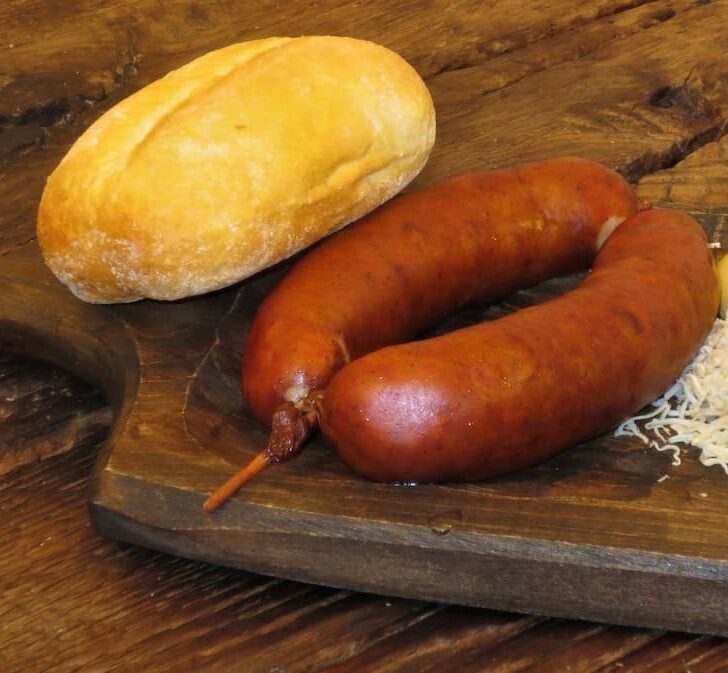
We may receive a commission if you make purchases through affiliate links (at no extra cost to you). Read why our approach to travel is different.

One of Europe’s newest, yet oldest, countries, Bosnia’s complex tapestry of history makes it a Balkan highlight. First settled in the Palaeolithic era, around 13000 BC, Bosnia’s land has long been contested. Once occupied by the Slavs, it fell under Byzantine control before being passed to Hungary. After a short spell of independence, Bosnia spent over 400 years as part of the Ottoman Empire.
After passing through the hands of Austro-Hungary, Croatia and Yugoslavia, Bosnia and Herzegovina was finally born in 1992. Bosnia’s past is anything but simple, and even less boring. The same is true of traditional Bosnian food.

A wonderous blend of Ottoman spices, Italian flair, Greek flavors and Balkan tradition, a city break in Sarajevo or a road trip through Herzegovina’s beauty won’t leave you hungry. If you’re traveling overland through the Balkans, you’ll certainly notice plenty of similarities in the food as you go. Serbia, Montenegro, Albania and Bosnia’s cuisines have a lot in common, but some of these highlights of traditional Bosnian food might just surprise you.
Traditional Bosnian Food
Burek
Known as borek in Turkiye, boureki in Greece and byrek in Albania, whatever you call it and wherever you find it, burek is delicious. Simple and versatile, this flaky pastry snack is traditional Bosnian food’s answer to street food.
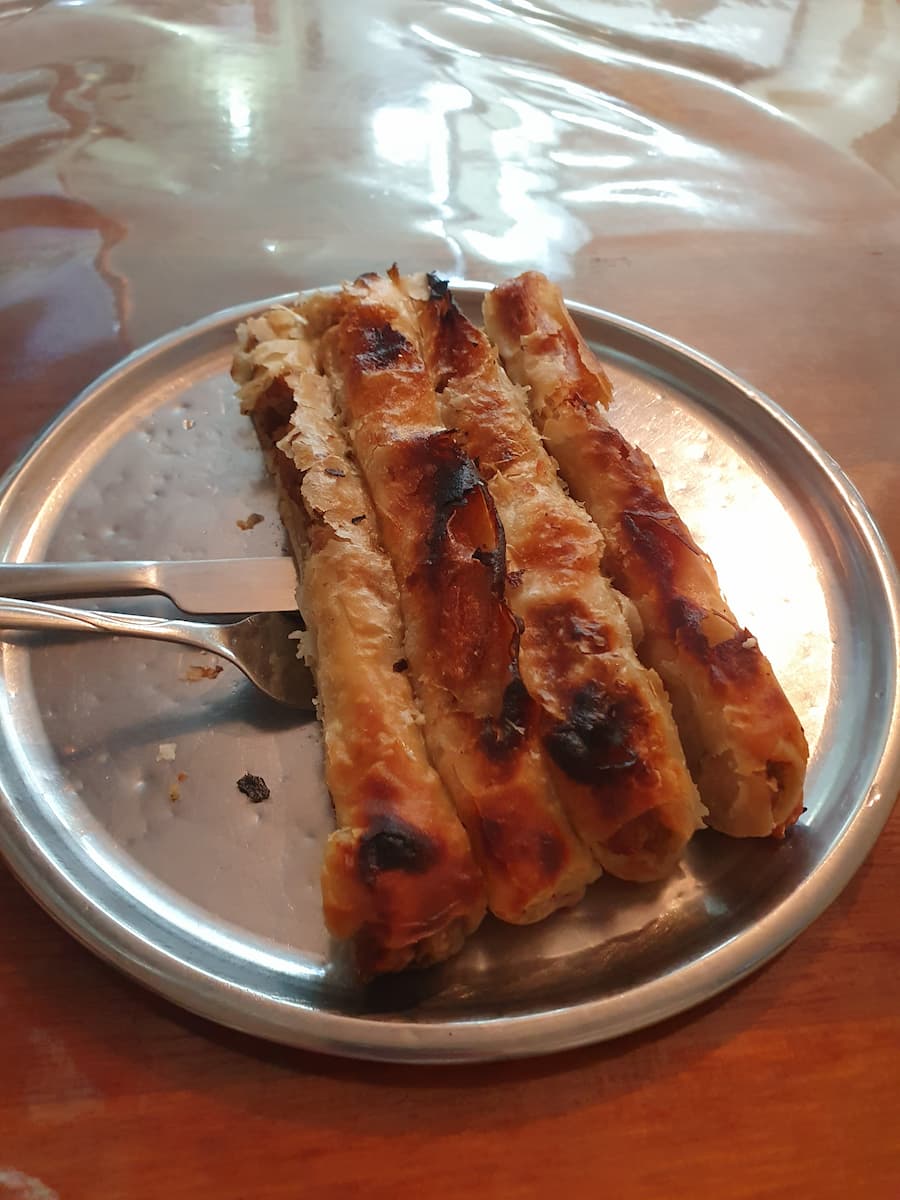
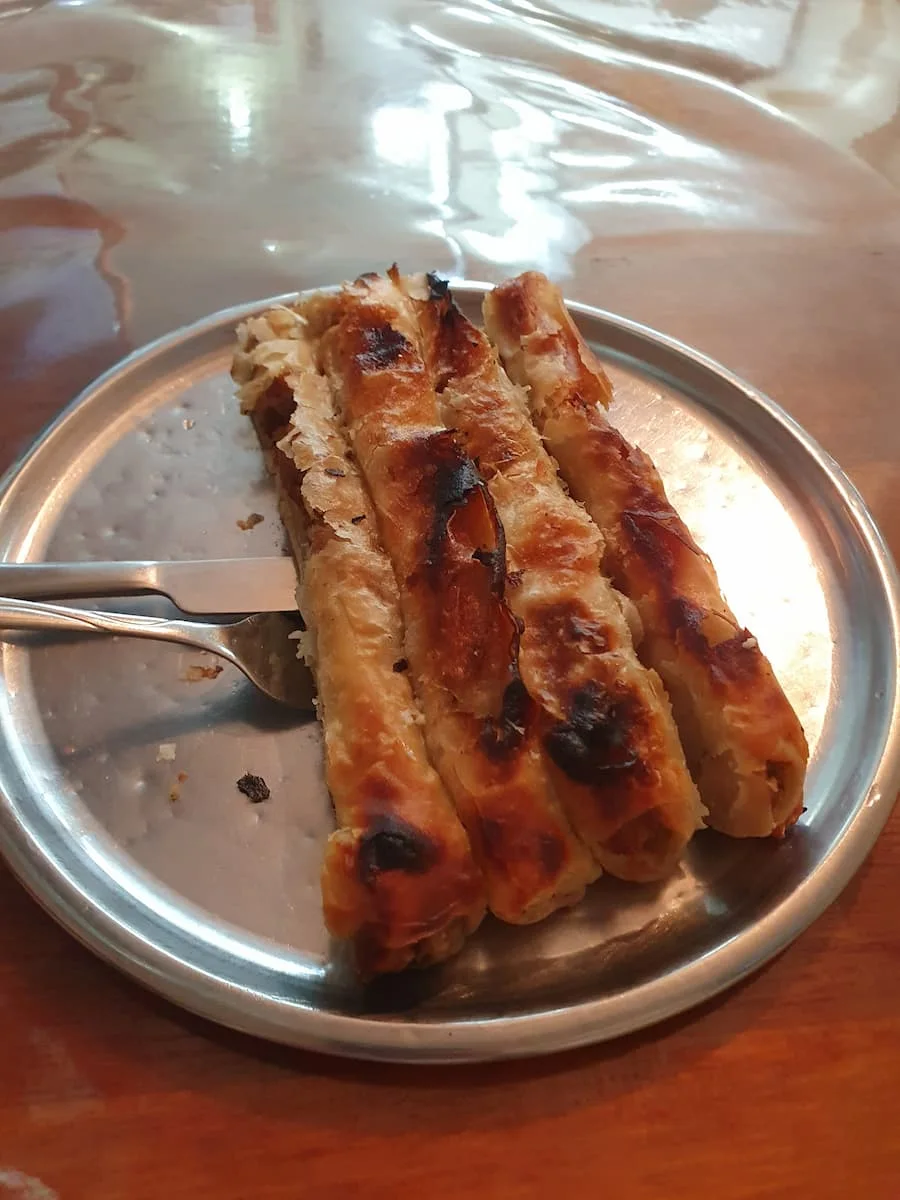
In its most traditional Bosnian form, burek is stuffed with minced meat and is very similar to Turkish sigara boregi (or cigarette rolls). Vegetarian alternatives include sirica, which is stuffed with cottage cheese, and krompirusa, stuffed with potatoes.
Unlike its Turkish counterpart, burek is baked on large sheets rather than being individually sealed. When it’s time to eat it, the pastry is sliced in front of your eyes with a giant spatula. There’s probably a technical name for one, but not being a Bosnian pastry chef, I’m afraid I’ll have to plead ignorance. Traditional burek shops, buregdzinicas, sell the pasty by weight. But don’t worry if you don’t know how much to order. If you don’t specify the weight, they’ll just serve you enough for one person.
Cevapi
Another favorite right across the Balkan states, cevapi is a little easier to recognize as you cross from country to country. Only North Macedonia give these grilled meaty delights a different name. They call it kebapi.

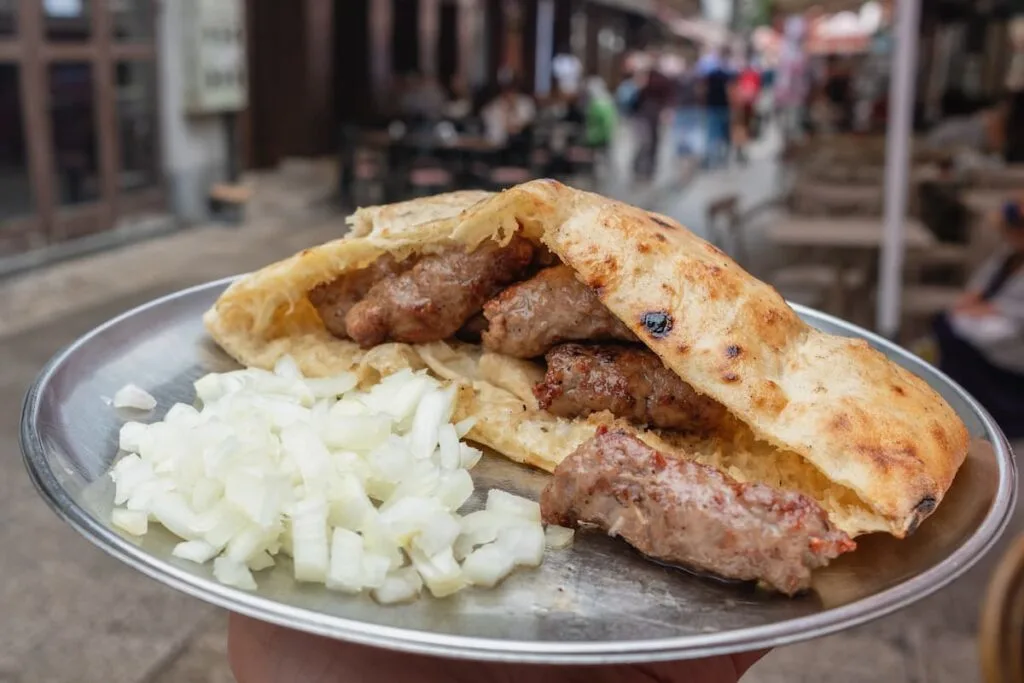
Often considered the most traditional Bosnian food of all, so proud are Bosnians of theirquasi-national dish, they’ve nominated cevapi for a place on the UNESCO List of Intangible Cultural Heritage. If you’re traveling across Bosnia, you’ll likely encounter several styles of cevapi.
The most famous of all, Sarajevo-style cevapi, are always beef and, without fail, measure between six and 10cm. Served as a 10-piece portion, if fancy being pedantic and travel with scales, you’ll always find they weigh between 200 and 250 grams.
Outside of the capital, travnik cevapi are made with a combination of minced beef, veal and lamb. Finished with plenty of seasoning and brushed with meat broth, you’ll easily tell the difference. Tuzla cevapi, a mix of mutton, beef and lamb are served in a round flatbread whilst Banja Luka-style cevapi differ even more. Whilst they’re cooked in a similar fashion, they’re always served as a tile of four cevapi combined.

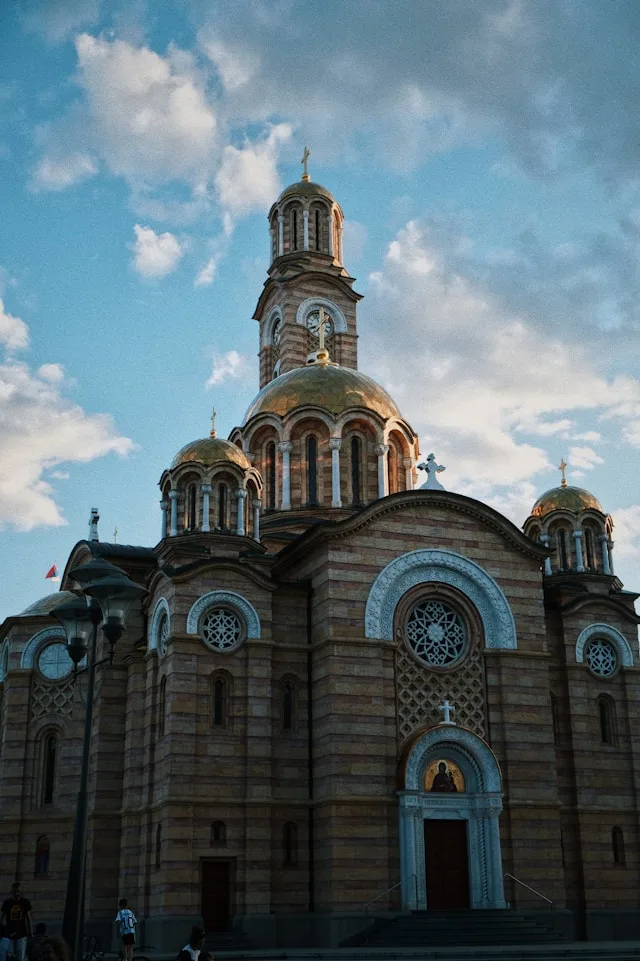
Begova Corba
If you’ve visited Türkiye, the chances are you’ve come across a corba or two. In fact, these rich stew-like soups are popular right across North Africa, the Middle East and South Asia. The classic Bosnian variant, begova corba, is simple and without fail, satisfying.
Sometimes known as Bey’s stew, a name given to it by the Ottoman governors who made it a cornerstone of traditional Bosnian food, it’s the perfect dish for a chilly winter’s day. Chicken and root vegetables are the main ingredients.

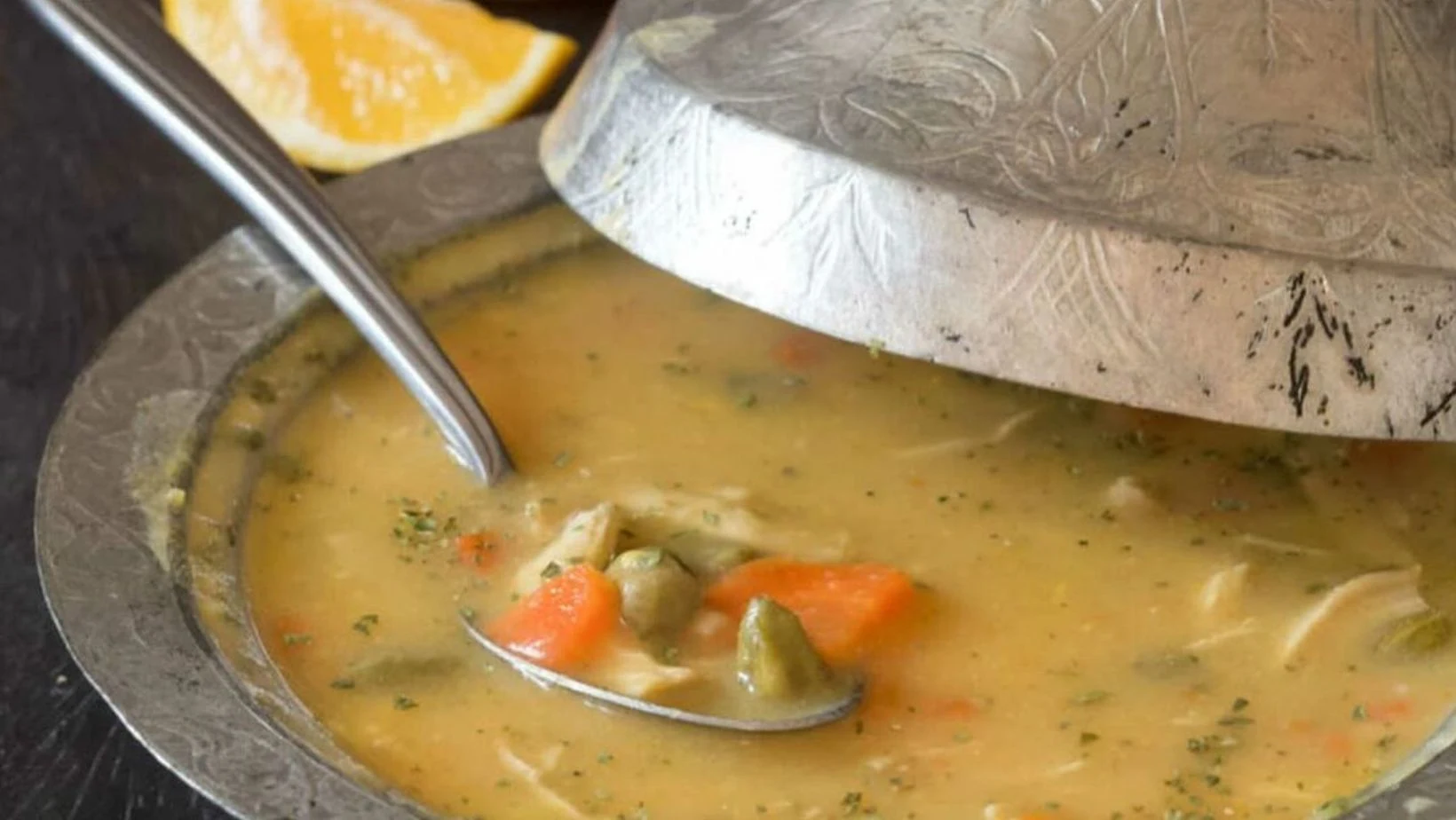
The vegetables change with the seasons, but invariably feature carrots are cooked in a paprika-infused chicken broth. To give begova corba a unique taste and texture, okra is added towards the end of the cooking process.
Gulas
Quite possibly my favorite traditional Bosnian food of all, gulas is Bosnia’s take on the Hungarian classic goulash. Left as a legacy of Austro-Hungarian rule, Bosnia have adopted gulas and made it their own.
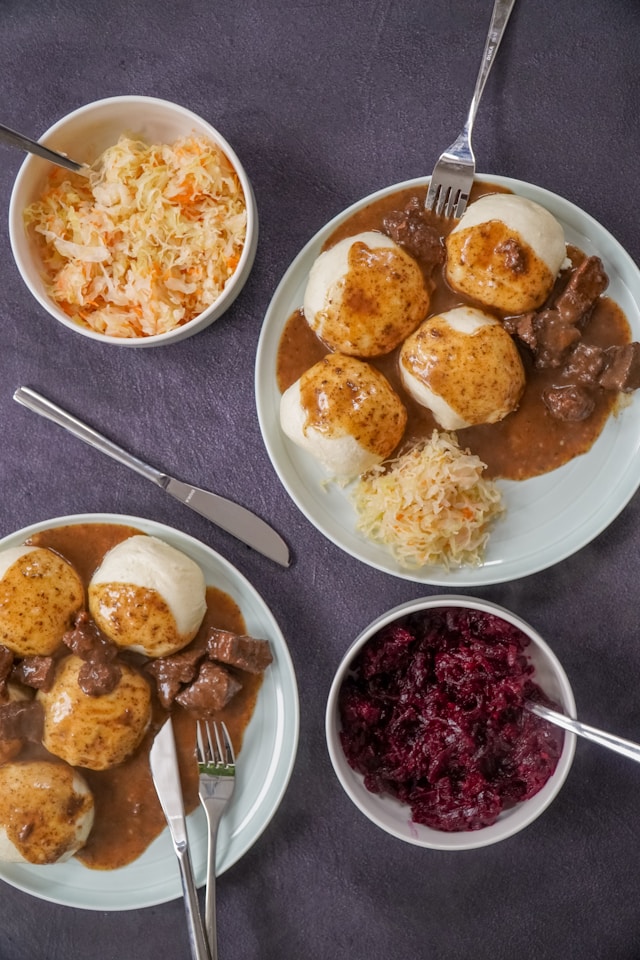
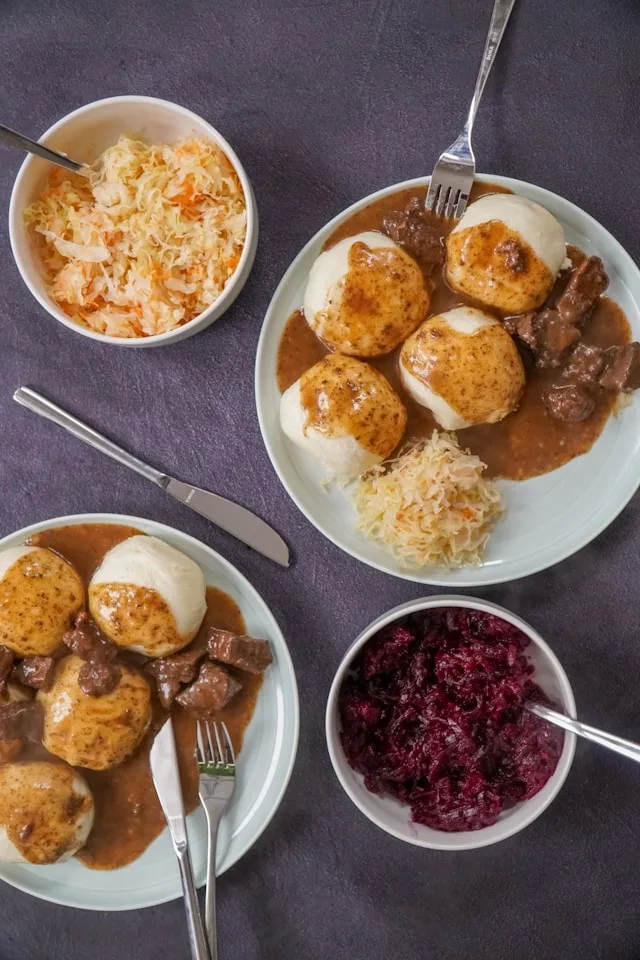
What sets Bosnian gulas apart from its Balkan neighbors is its thickness. Slow-cooked, gulas is generally prepared with beef, although you’ll occasionally come across veal gulas. In some areas, carrots or kidney beans might be added.
If you get the chance to cross the border to Croatia, don’t pass on the opportunity to try gulaš od vrganja. It comes with added porcini mushrooms and bacon, and is my all-time favorite take on goulash.
Klepe
If you can’t decide whether to have pasta or a dumpling, klepe is the traditional Bosnian food for you. Almost identical to Turkish manti, klepe are small, boiled dumplings stuffed with minced meat and onions. Just like in Türkiye, you’ll find them served with a dollop of yoghurt and, usually, a sprinkling of black pepper.

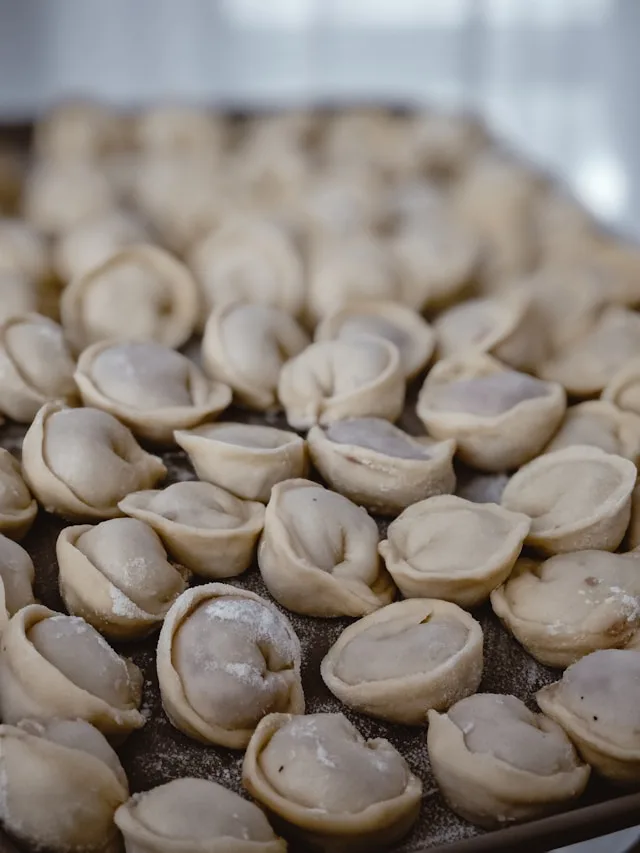
Whilst klepe are pretty much klepe wherever you go in Bosnia, there is one regional variation which is well worth seeking out. Mantije are most frequently found in the Sandzak region close to the Serbian border. Unlike klepe, the individual dumplings are baked together and served as a slab with, you guessed it, yoghurt drizzled over them.
Grah
The second hearty stew to make our rundown of traditional Bosnian food highlights, grah is Bosnia’s version of the Serbian dish pasulj. A delicious and simple winter warmer, grah comes in many different forms. Beans are the only essential component. Even then, you don’t have to use a specific type of bean; cranberry, kidney, pinto and white beans are all popular.

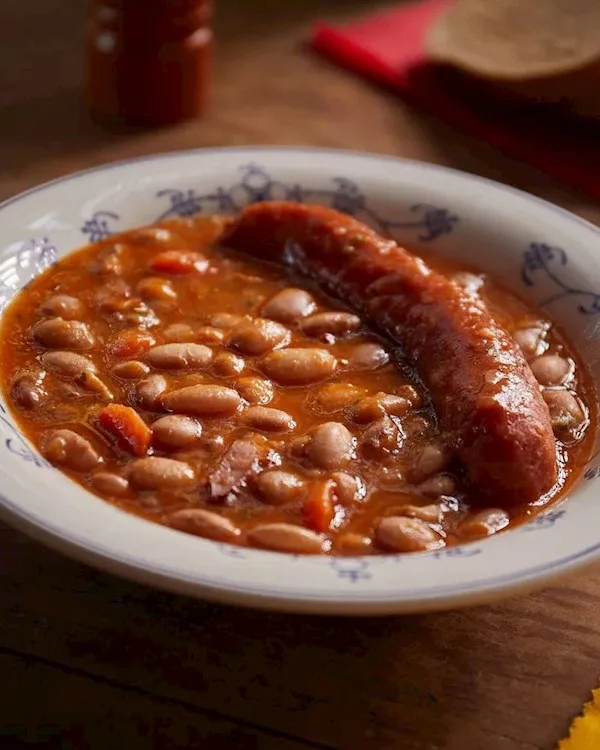
Made with tomatoes and onions, smoked meats like sausage, bacon and ham are often added. The Bosnian mark on grah is the addition of a thick clotted cream known as kajmak. You’ll often find it served with a generous helping of homemade bread.
Bosanski Lonac
Simply translating as “Bosnian pot”, lonac is the last stew to make our list of the best traditional Bosnian food. Dating back centuries, the wonderful things about lonac is that is has no recipe. A sort of throw it all in and see what happens creation, lonac is designed for clearing out the cupboards.
Whilst the ingredients differ greatly, the method is always the same. Alternating layers of meat and vegetables are added until the pot is completely full. A little water is added, and the lonac is left to simmer for hours.
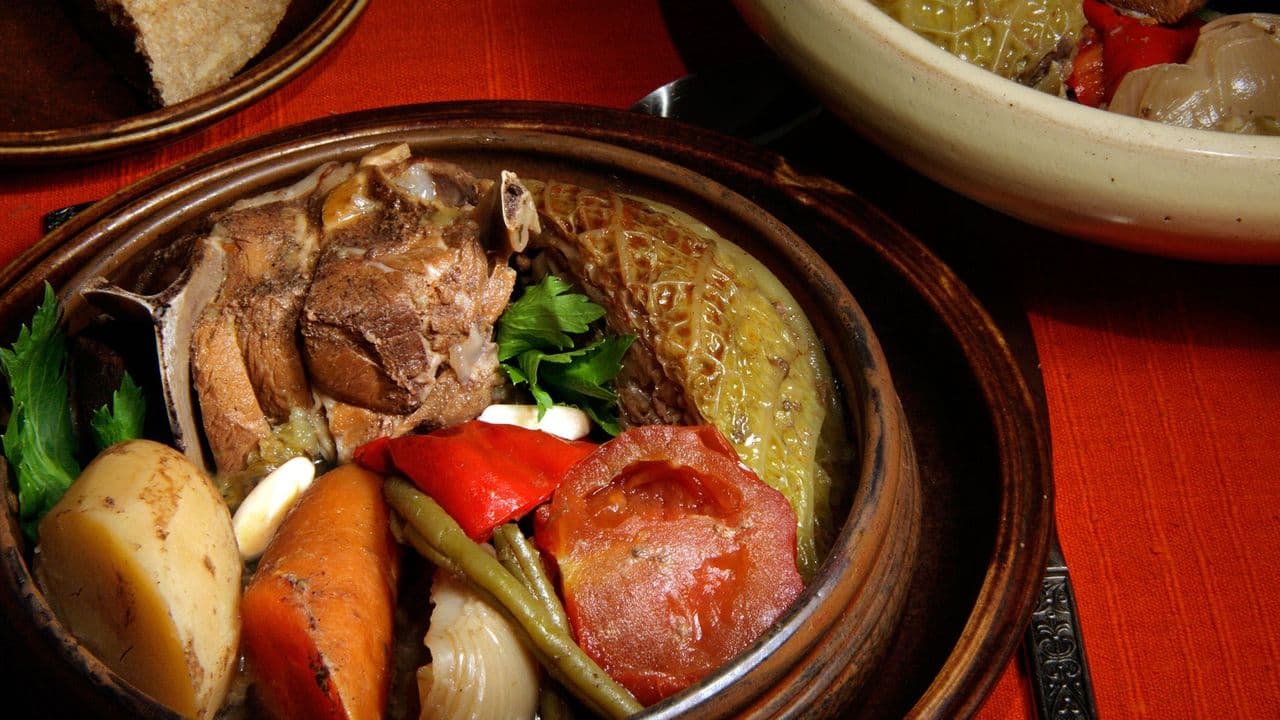
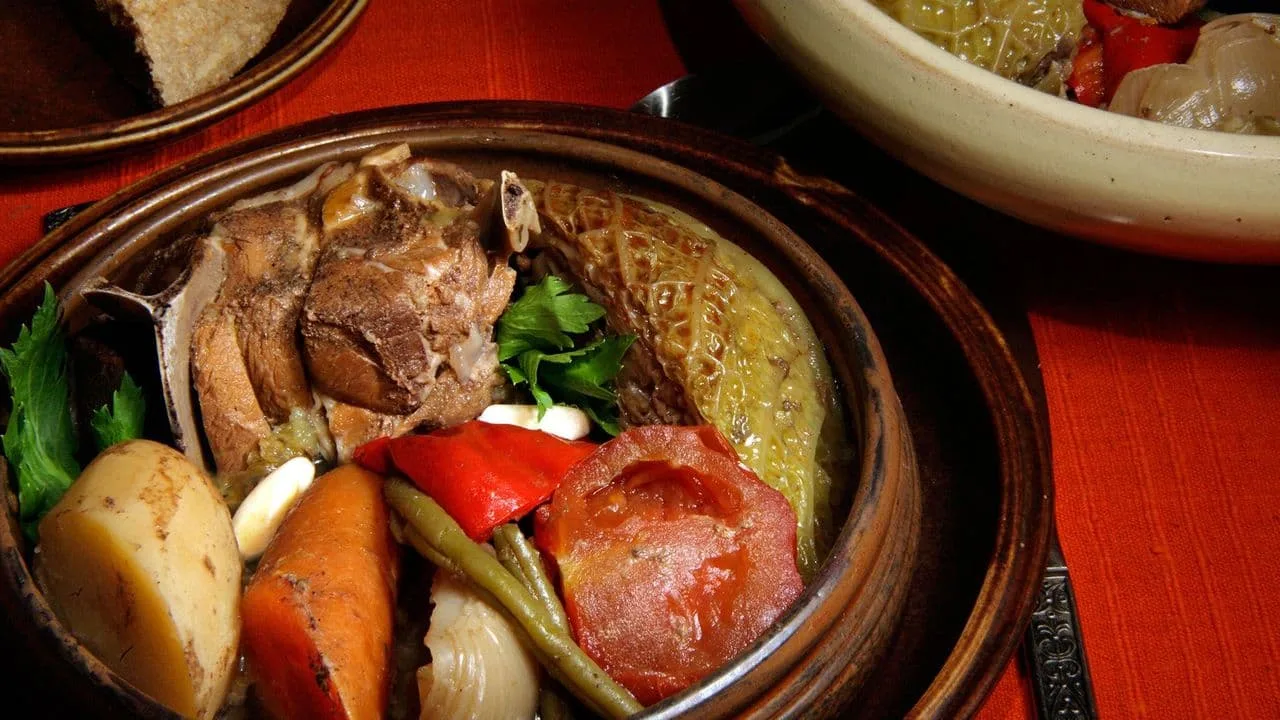
Whereas most traditional Bosnian food has been imported into the country’s culture over the years, lonac is the one true Bosnian dish. Neither Turkish nor Hungarian, lonak is a symbol of what it is to be Bosnian. Eaten by the richest and the poorest, by all of Bosnia’s main ethnic groups- Serbs, Croats and Muslims, lonak is a dish for anyone and everyone. This may not sound like much, but once you’ve delved into Bosnian history, the significance becomes immediately clear.
Japrak
The Bosnian take on dolma, japrak (yaprak in Türkiye) are stuffed vine leaves. Proof that a delicious and flavorsome meal doesn’t need to be complex, the leaves are stuffed with a simple mixture of minced meat, rice and spices. Whilst meat features in most recipes, it isn’t mandatory and many restaurants in Bosnia serve vegetarian versions of the dish.


Ground beef is the most commonly used meat. Japrak get their delicious flavor from a combination of generous quantities of tomato paste, garlic and paprika. The best recipes also include fresh parsley and plenty of salt and pepper to season.
If vine leaves aren’t your thing, there are a couple of alternatives in traditional Bosnian food. Sogan dolma use onions for the casing, whilst punjena paprika are stuffed bell peppers. In all cases, the stuffing is prepared in the same way.
Kiflik
We all associate divine flaky croissants with French cuisine but you probably haven’t stopped to wonder where the French got the idea from. The answer is kifli. Where kifli came from, nobody knows. There are dozens of myths; some claim it was invented in Vienna, others in Budapest. Either way, it was the Austro-Hungarians who introduced this sweet pastry to Bosnia.

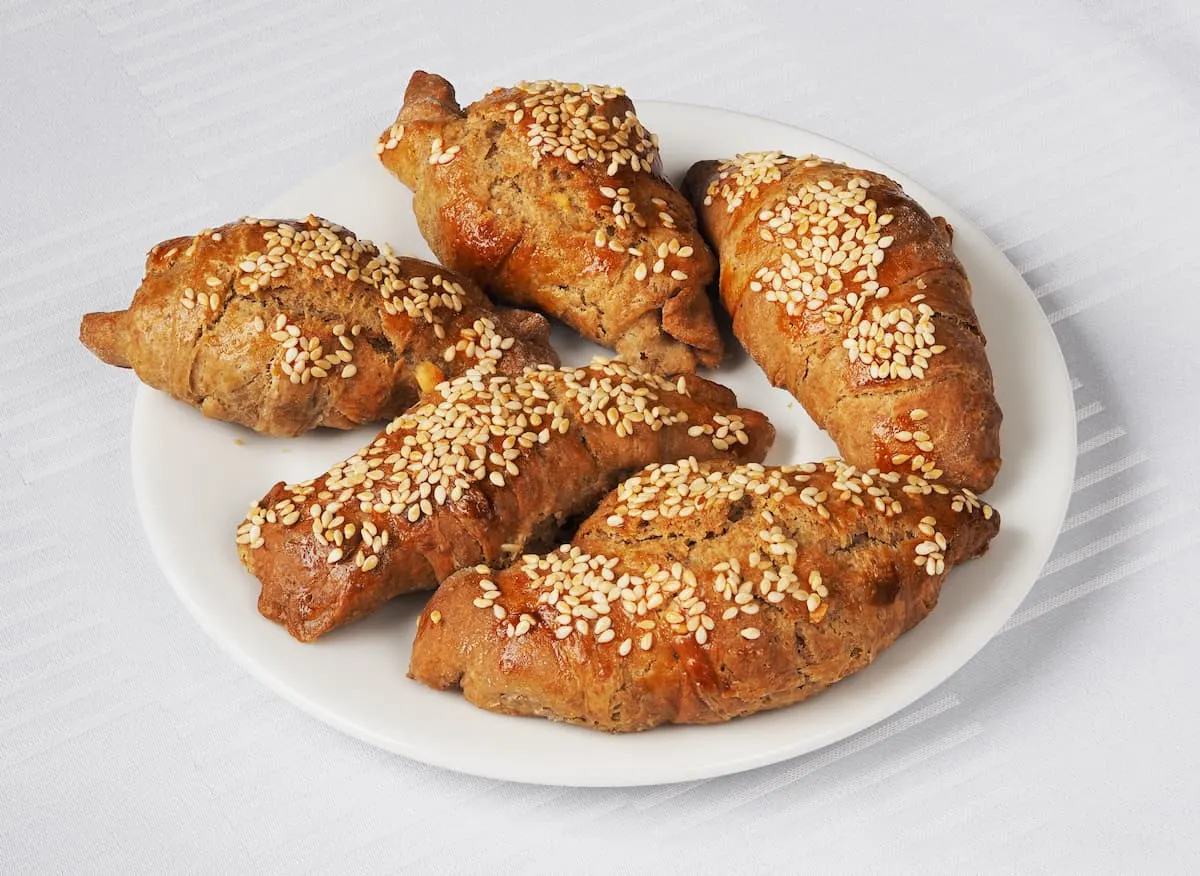
Available in a number of varieties, the most popular kifli are sprinkled with seeds. A sweeter version, using butter pastry, is the most similar to the croissants we know and love. The ultimate on-the-go breakfast and ideal with a coffee, most bakeries and coffee shops in Bosnia will have some form of kifli available. The chances are, your hotel will be serving them for breakfast.
Share This Article


Traveling soon? Subscribe to The Insight below and get exclusive access to our personalized travel advice community via WhatsApp so you can ask all your burning travel questions.
Looking for the best comprehensive travel insurance? SafetyWing has you covered.
And for your eSIM in every country, there is only one option we recommend: Airalo.
Read more of our best insights from around the world
- The Best Souvenirs From Ireland You Shouldn’t Go Home Without

- Hoi An Itinerary: The Ultimate 4 Days
- These Are The 10 Best Restaurants in Ljubljana, Slovenia
- Best Coffee In Singapore? Here Are The 9 Best Coffee Shops
- Ultimate 5-Day Itinerary for Slovenia: Lakes, Alps, and Small Towns
- 10 Traditional Slovenian Foods You Shouldn’t Miss