We may receive a commission if you make purchases through affiliate links (at no extra cost to you). Read why our approach to travel is different.

Flanked by Alpine mountains and fading into the Baltic Sea, Slovenia sits at the crossroads of Europe. Not quite in the Balkans, once politically grouped with Eastern Europe, geographically, Slovenia is more closely tied to Central Europe. A place for sunbathing and skiing, ambling through medieval old towns and hiking mountain trails, Slovenia is a country which cannot be placed into one box alone.
Although heavily influenced by its time under the control of the Roman and Habsburg empires, Slovenia strongest traditions are deeply rooted in its Slavic past. In recent times, Slovenia found itself behind the Iron Curtain, a socialist republic which formed part of Yugoslavia. But when you visit, leave any stereotype of former Soviet Bloc nations you may have at the border. Slovenia was the first Yugoslavian state to breakaway, its cries for independence coming long before the revolutions which would lead to the fall of communism spread across Europe.
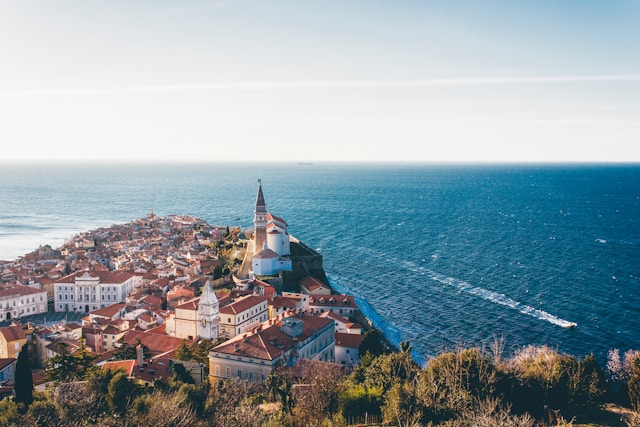
If you’re wondering, by the way, what relevance this all has to traditional Slovenian foods, the answer, is quite a lot. So unique is Slovenia, that to understand it, you need first understand its rich and varied geopolitical history. Like the country itself, Slovenian cuisine is a little bit Eastern European and slightly more Central European peppered with the odd Mediterranean and Russian influence. Above all though, it is delicious. These are some of the best traditional Slovenian foods which you really must try when you visit.
Skip to...
Gobova Juha
Kicking off with the simplest of all traditional Slovenian foods, what Gobova juha lacks in complexity, it more than makes up for on taste. A hearty and warming mushroom soup, Goova juha is the ideal lunch on a chilly winter’s day (of which there are quite a few in Slovenia).
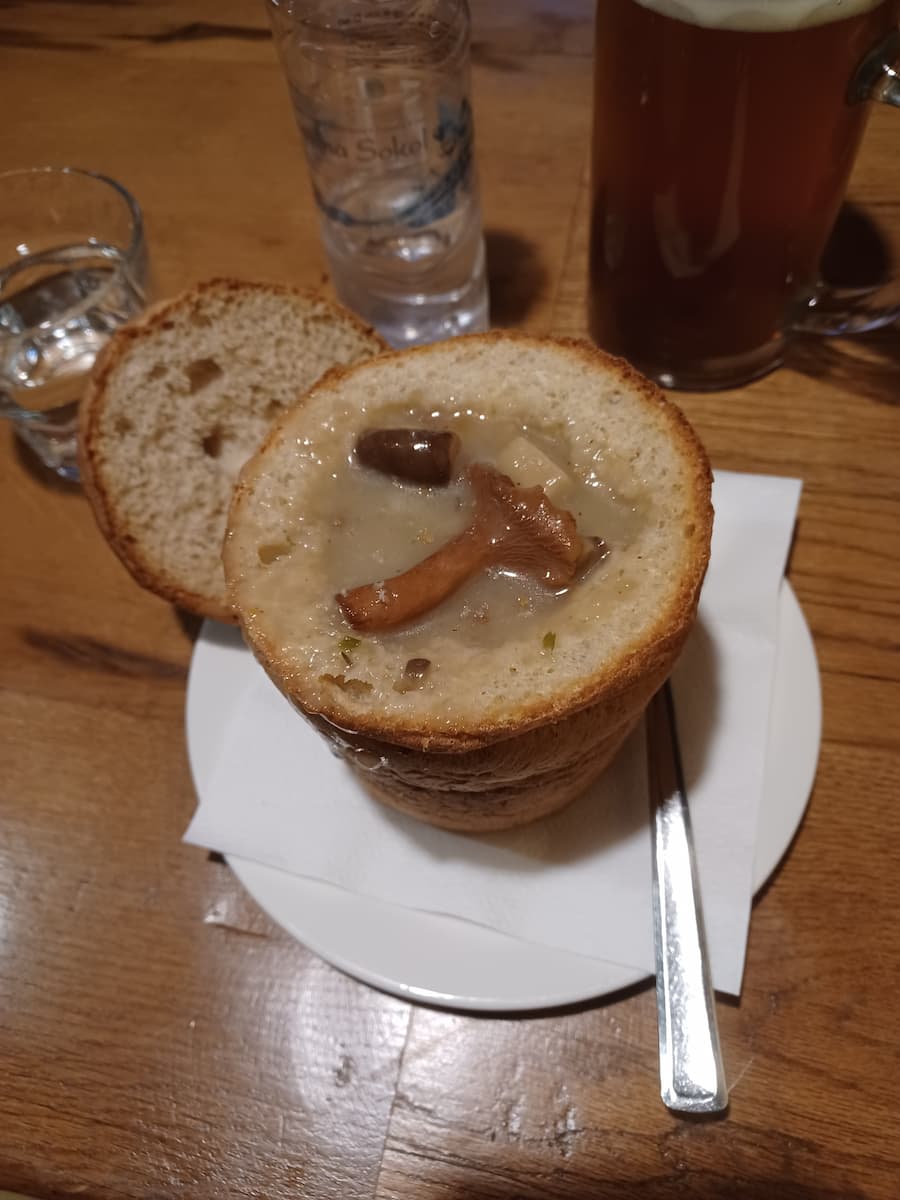
The great thing about Gobova juha is that it’s so easy to make, you can easily recreate it when you get home. Start with a base of white onions sauteed in butter, add in some garlic and flour before briefly frying off thick chunks of mushroom. Pour in the water, some sliced potatoes and bay leaves for seasoning and let it simmer away. Just before it’s done, add a dash of white wine or white wine vinegar and serve it up with sour cream and a parsley garnish.
Kranjska Klobasa
Next on our list of traditional Slovenian foods, Kranjska Klobasa is a nod to Slovenia’s Slavic ties. Translating in English as Carniolan sausage, it hails from the region of Carniola in the center of Slovenia, surrounding Ljubljana. Very similar in taste, and appearance, to Polish kielbasa, Carniolan sausages are a type of bruhwurst (parboiled sausage).
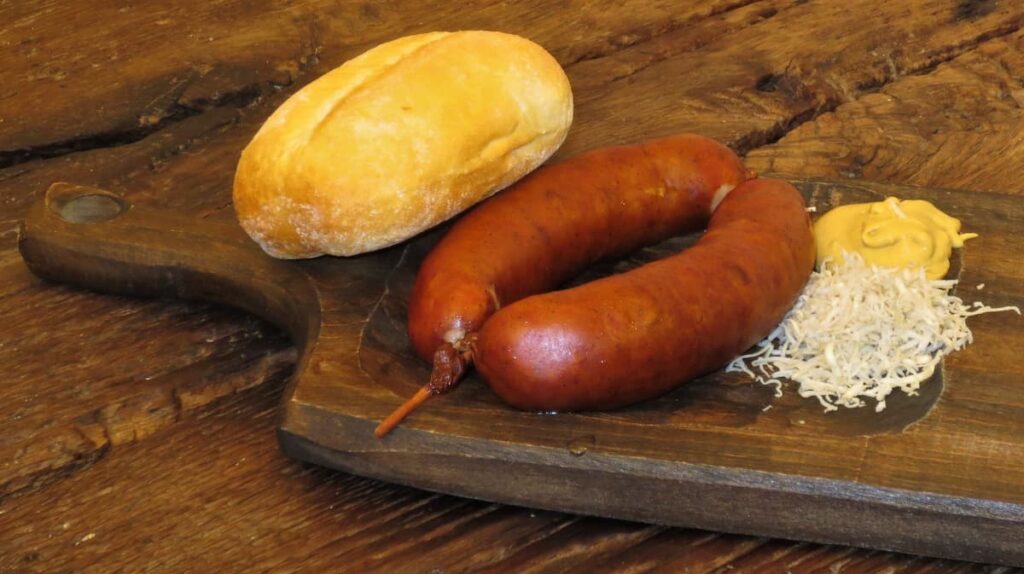
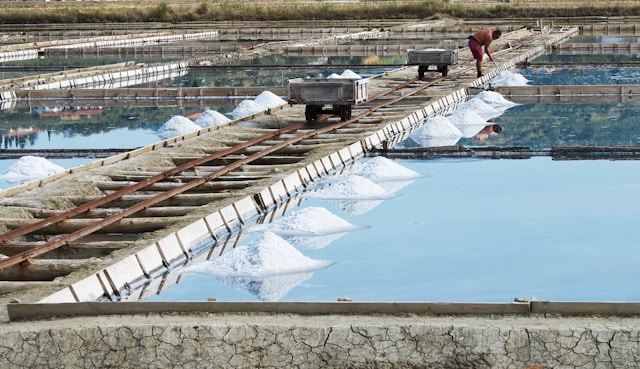
In 2015, the Carniolan sausage was registered as a protected geographical indicator by Slovenia. This means there are strict criteria a sausage must meet to be a truly traditional Carniolan sausage. They must comprise of a minimum 75% pork, a maximum of 20% bacon and no more than 5% water. Sea salt, garlic and black pepper can be added in small quantities, however the salt has to come from Slovenia’s own Secovlje saltworks.
That said, some variations do exist. The most common of these is the kasekrainer which is prepared with cheese. Although the kasekrainer originated in Austria, and as such doesn’t truly fit the definition of traditional Slovenian foods, you’ll find plenty of places in Ljubljana selling them, often alongside the Slovenian version.
Bograc
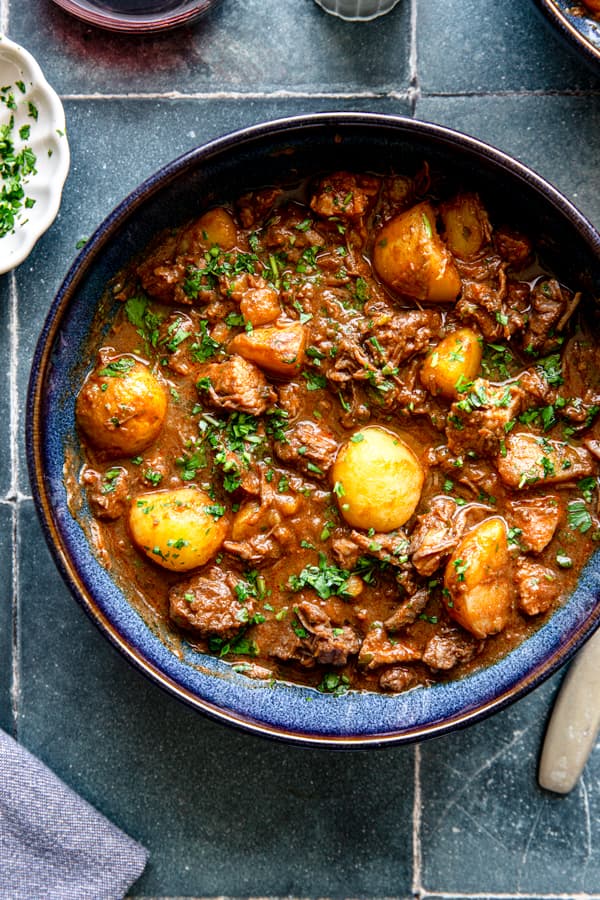
Just like casseroles take their name from the dish they’re cooked in, bograc gets its name from the metal pot in which it’s prepared. Bogracs originated in Hungary, having developed from the cauldrons used by nomadic people. These days, whilst bogracs tend to be used indoors, they’re still designed to be placed on top of an open fire.
In Hungary, bogracs were traditionally used for cooking goulash. Bograc itself, though, is slightly different from classic Hungarian goulash, the name of which actually refers to a cattle herder rather than the dish itself. The main difference in bograc is that it tends to be thinner and less oily than goulash. To be prepared as a traditional Slovenian food, bograc has to contain three different types of meat: beef, pork and venison. It’s mixed with spices, mushrooms and potatoes, and cooked in a rich red wine broth before being served in a small kettle-like dish.
Medvjedi Goulash
Despite bograc’s similarities to goulash, if you have the chance to try both during your time in Slovenia, it’s well worth making the comparison for yourself. Although Hungarian by origin, goulash deserves its own place on our list of the best traditional Slovenian foods.
Goulash is popular throughout Central and Eastern Europe, and many countries have their own version of the dish. Slovenia’s contribution is Medvjedi goulash. If you speak Slovenian, you might be wondering if you read that right. Medvjedi is the Slovenian word for ‘bears’, and Medvjedi goulash really is prepared with bear meat. There are very few countries where eating bear meat is still a thing, Japan and Siberian Russia being two main exceptions. In Europe, only Slovenia and Slovakia (as recently as 2025), have legalised the hunting of brown bears as food.
Soska Postrv and Branzino
Its coastline may be fairly small, though ineffably beautiful, but no discussion of traditional Slovenian foods would be complete without a mention of seafood. I say this with a pinch of salt because soska postvr is trout (literally ‘sock trout‘), which is of course a freshwater fish. Nonetheless, a very similar recipe is prepared with sea bass in coastal regions. The sea bass version is known as branzino.
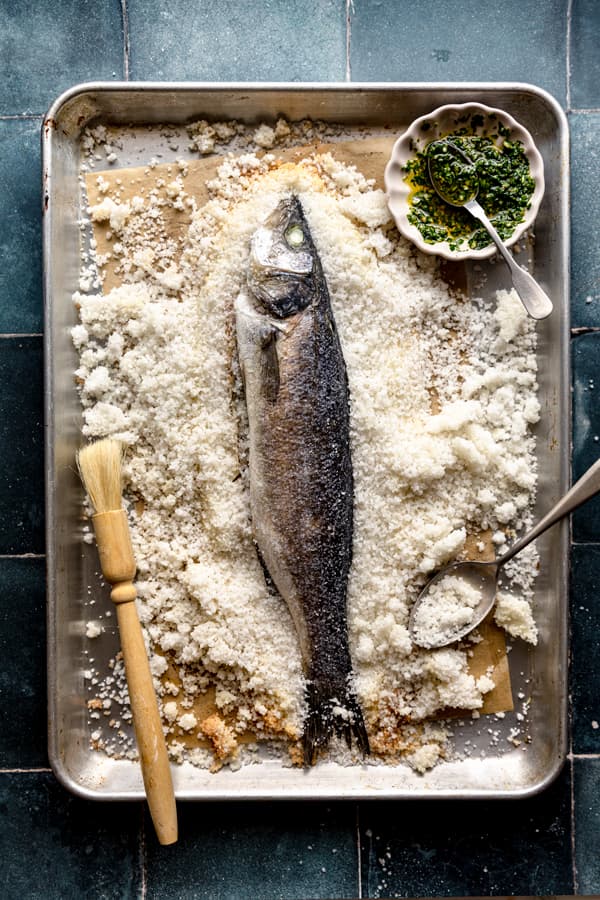
If you’re visiting the Slovenian coast, I’d recommend branzino. Most restaurants in Piran and other coastal resorts will be serving the day’s fresh catch. In Ljubljana or the Slovenian Alps, go for the more local soska postrv. Both are equally delicious. Traditional Slovenian fish is prepared very simply. They’re seasoned with herbs, salt and pepper, then baked to perfection and dished up with buttery boiled potatoes.
Burek
There are plenty in Slovenia who would take issue with burek being dubbed one of the traditional Slovenian foods. Popular across the Balkans, the Levant and as far south as Algeria and Tunisia, we generally think of burek (or borek) as being Turkish. It was, most certainly, the Ottoman Empire who popularised it. Or, in the modern world, Simit Sarayi.
However, some food historians would have you believe that burek’s origins were actually rooted in the Roman Empire. Cheesy placenta, or to give it its Latin name, en tyritas plakountas, was popular throughout Ancient Rome.

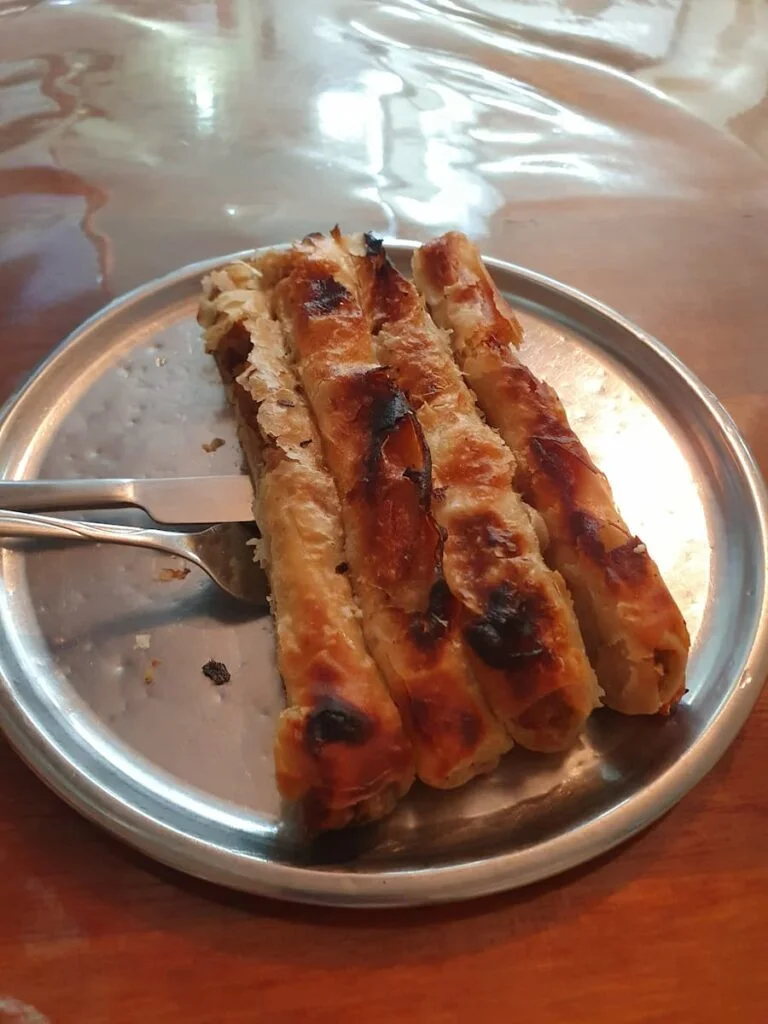
Whoever brought burek to Slovenia, it’s here to stay. In fact, in recent years, there’s been something of a burek revival. Particularly in Ljubljana, burek has become a late night staple, If you visit the capital, don’t miss 24-hour Noble Burek. They serve these crispy filo pastry delights with a variety of fillings. The classic mince meat is fantastic, although I became quite hooked on their unconventional pizza burek.
Sataras
By this point, you’ll probably be glad to hear that not all traditional Slovenian foods contain meat. As much as meat is a staple of Slovenian cuisine, sataras is proof that you can have a stew to rival goulash with vegetables alone. Made from bell peppers, tomatoes and onions, seasoned simply with salt and pepper, the key to a delicious sataras is cooking it slowly.
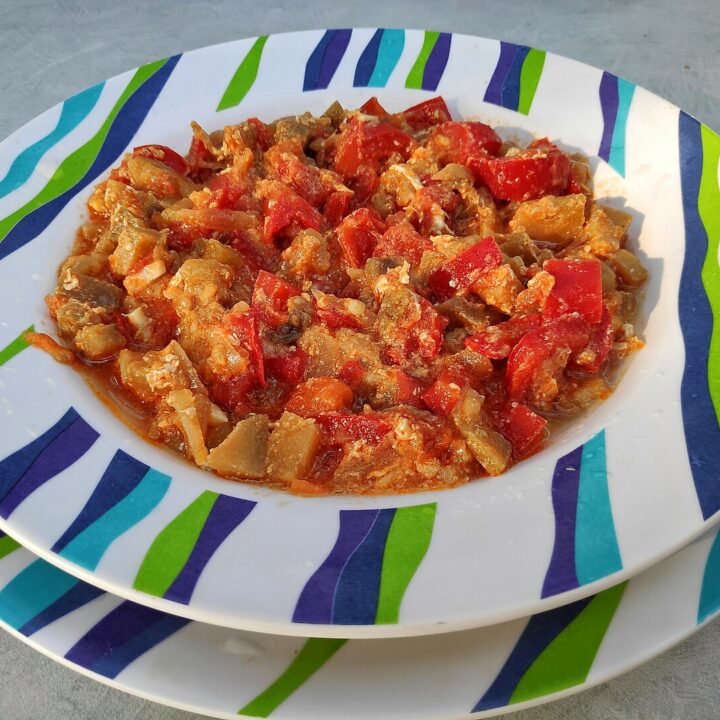
If you’re traveling through the wider Balkan region seeking out vegetarian or vegan friendly meals, you’ll probably recognize sataras. It is found all the way along the Adriatic coast from Slovenia to North Macedonia. Cross into Türkiye, and you’ll find an almost identical stew known as menemen.
Traditional Slovenian Desserts
Prekmurska Gibanica
One theme you’ll find as you work your way through all the best traditional Slovenian foods, is that Slovenia knows how to bake a good pastry. The first of our traditional Slovenian desserts takes its name from the region it originated in. That region, Prekmurje sits on the border between Slovenia and Hungary.
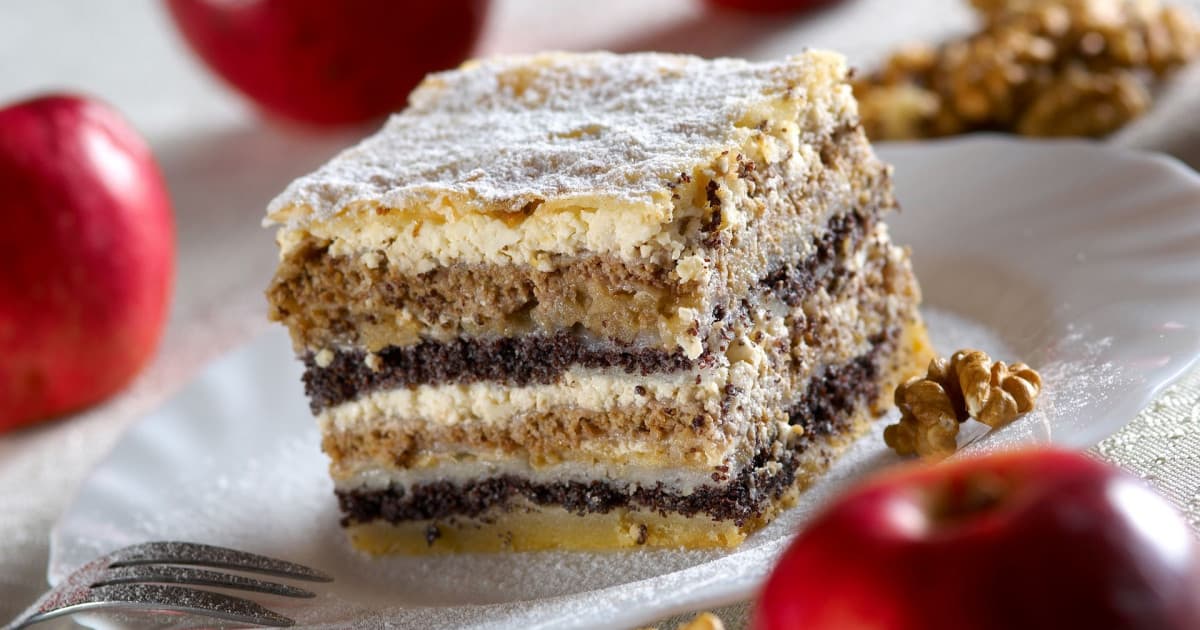
This rich and indulgent dessert features layers of pastry topped with quark and oozing with fillings. The most traditional variety features poppy seeds. Apples, raisins and walnuts are also popular fillings. Prekmusrka gibanica has been protected by the EU since 2010, rendering it one of the most traditional Slovenian foods there is.
Kremsnita
More commonly known by its German and Austrian name cremmeschnitte, kremsnita is a reminder of Slovenia’s Habsburg era. A simple puff pastry filled with custard and a generous wedge of Chantilly cream, this light but filling cake is one of the most divine traditional Slovenian foods you’ll find.
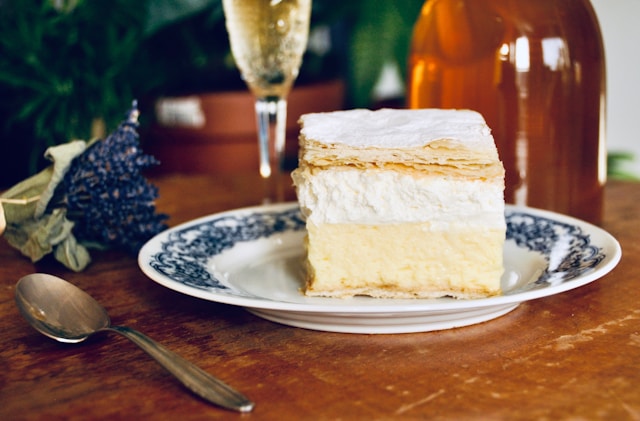
As much as the recipe is centuries old, in 1953, cremmeschnitte was given a Slovenian touch. Istvan Lukacevic, pastry chef at the Hotel Park on the shores of Lake Bled introduced the pastry to the hotel. And with that, kremsnita was born. 75 years on, the hotel has sold over ten million of them. If Bled is on your Slovenia itinerary, and it really should be, Hotel Park remains the place to try one. Don’t worry if not though, bakeries all over the country bake kremsnita fresh daily.
Sheqerpare
The last, but by no means least, dish to feature on our rundown of the best traditional Slovenian foods is sheqerpare. Derived from the Turkish dish sekerpare, this is another food which is popular throughout the Balkan region. The first thing you’ll probably notice about sheqerpare, is that it’s not dissimilar to baklaka.
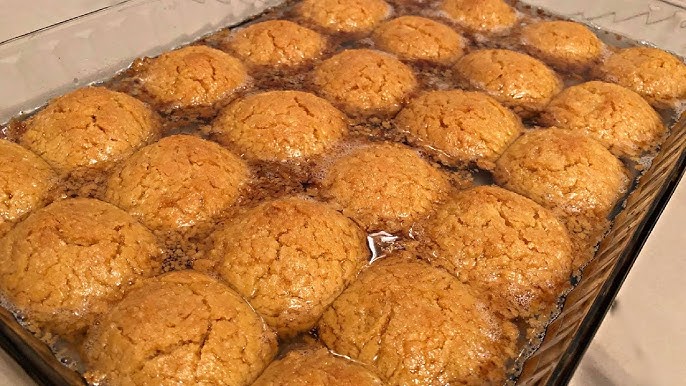
Soaked in sugar syrup, these divine biscuits are small enough to make you want more. Yet, they’re sweet enough to make you feel guilty. Along the lines of so many traditional Slovenian foods, they’re simple too. Made from a semolina dough, they’re soaked, baked, topped with nuts, and served.
Share This Article


Traveling soon? Subscribe to The Insight below and get exclusive access to our personalized travel advice community via WhatsApp so you can ask all your burning travel questions.
Looking for the best comprehensive travel insurance? SafetyWing has you covered.
And for your eSIM in every country, there is only one option we recommend: Airalo.
Read more of our best insights from around the world
- Where to Find the Best Matcha In Kyoto, Japan: An Exclusive Guide
- Best Coffee In Kyoto: 9 Cafes You Must Try for Kissaten Legends
- 8 Rooftops In Singapore For Views, Drinks And Food
- Best Bars In Osaka: Speakeasies, Whisky Dens and Secret Spots
- 8 Best Cafes in Joo Chiat, Singapore for brunch, coffee or lunch
- Best Bakery in Singapore? 8 Must Try Spots for Sweet and Savory Treats