Alex is the author of the travel books A Long Weekend in Ulaanbaatar and Running the Milk. Between writing, he currently splits his time between the UK & U.S. expanding his knowledge of city escapes, small town USA and regional differences whilst researching his next books.
Whilst Bosnia & Herzegovina may only have been independent since 1992, stepping into its history-steeped capital is like opening a time warp. First inhabited by Butmir peoples around 5000BC, Sarajevo’s 7,000 year history is nothing if not complex.
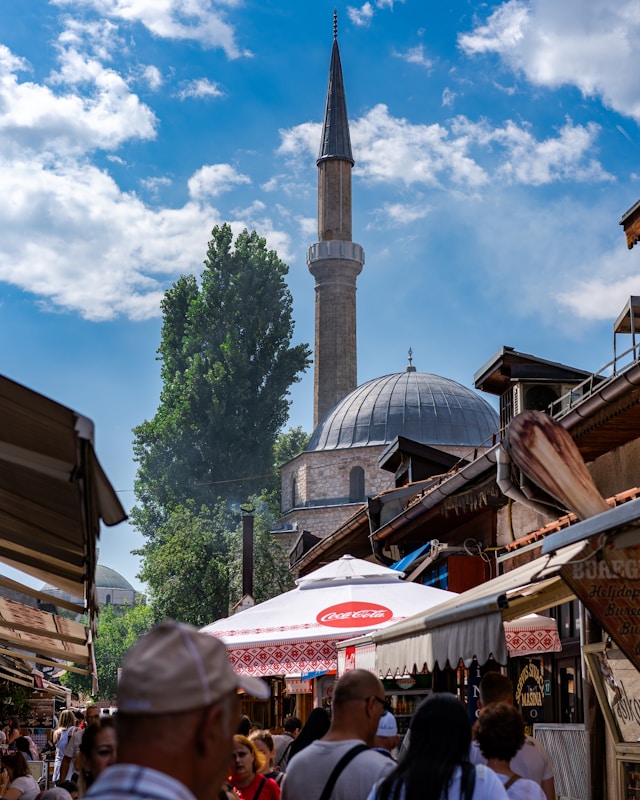
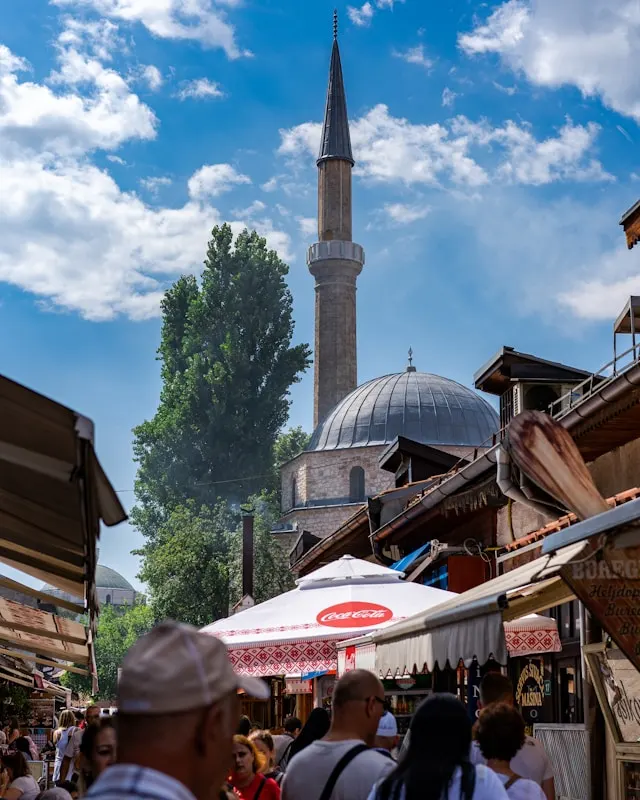
Positioned at the cultural and religious crossroads of Europe, the Holy Roman Empire, Slavs and Ottomans have all left their mark on Sarajevo. A natural melting pot of cultures, centuries before the concept of multiculturalism had been coined, Sarajevo was showing the world how to achieve it. Christians from the west, Muslims from the east and Jews from Spain all found their home in Ottoman Sarajevo.
Sarajevo has always been a melting pot of cultures. Remnants of Ottoman rule from 1461 to 1878 are all around (Credit: Darcey Beau)
For almost 500 years under Ottoman rule, life in Sarajevo was peaceful, and above all, stable. That all changed when control of Bosnia passed to Austro-Hungary in 1878, with a formal annexation to follow thirty-years later. Indeed, the last 150 years of Sarajevo’s story has been anything but peaceful and stable.
As we take a look through our favorite things to do in Sarajevo, you’ll see just how complex Sarajevo’s recent history is. The story of the Bosnian capital is no fairy-tale. It’s wrought with sadness and marred with tragedy, but 30 years after Bosnia found peace, it’s a story which deserves to be remembered.
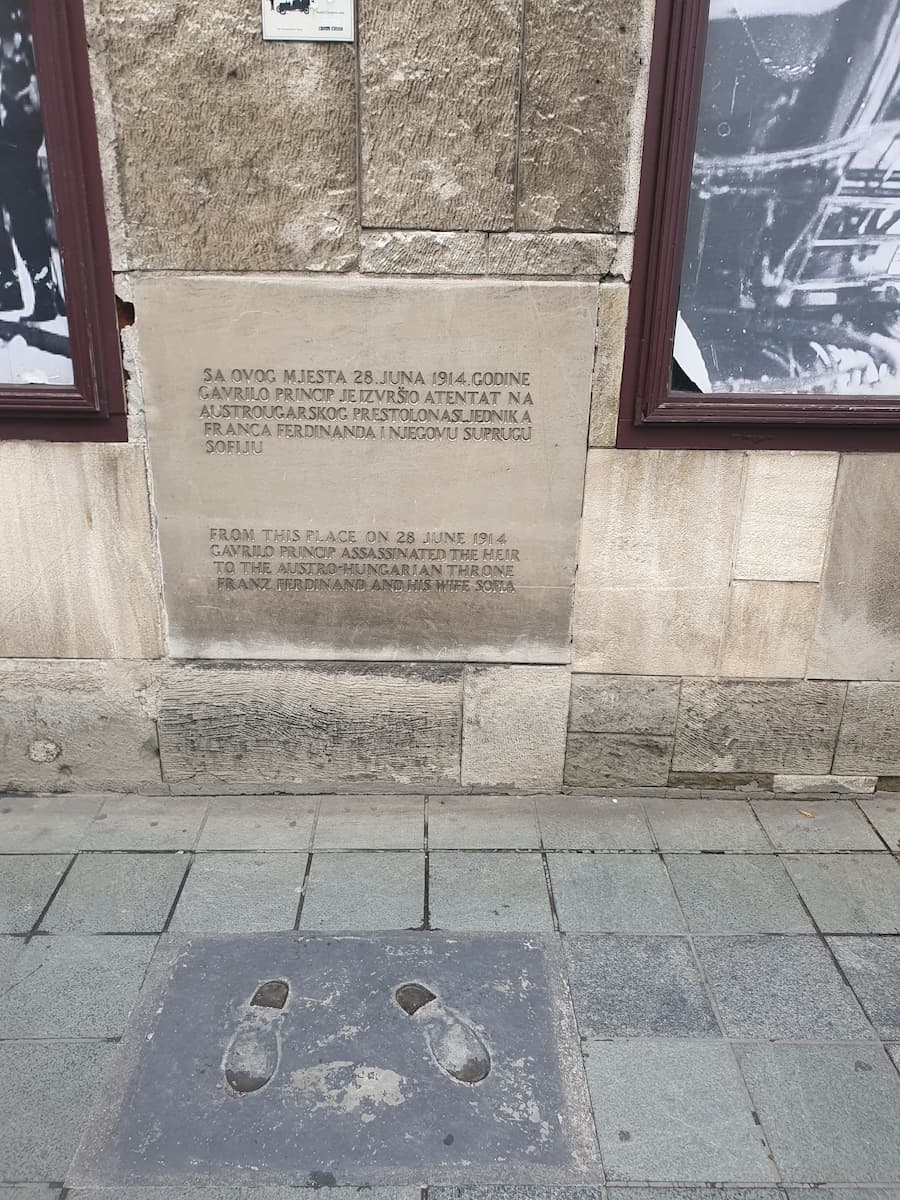
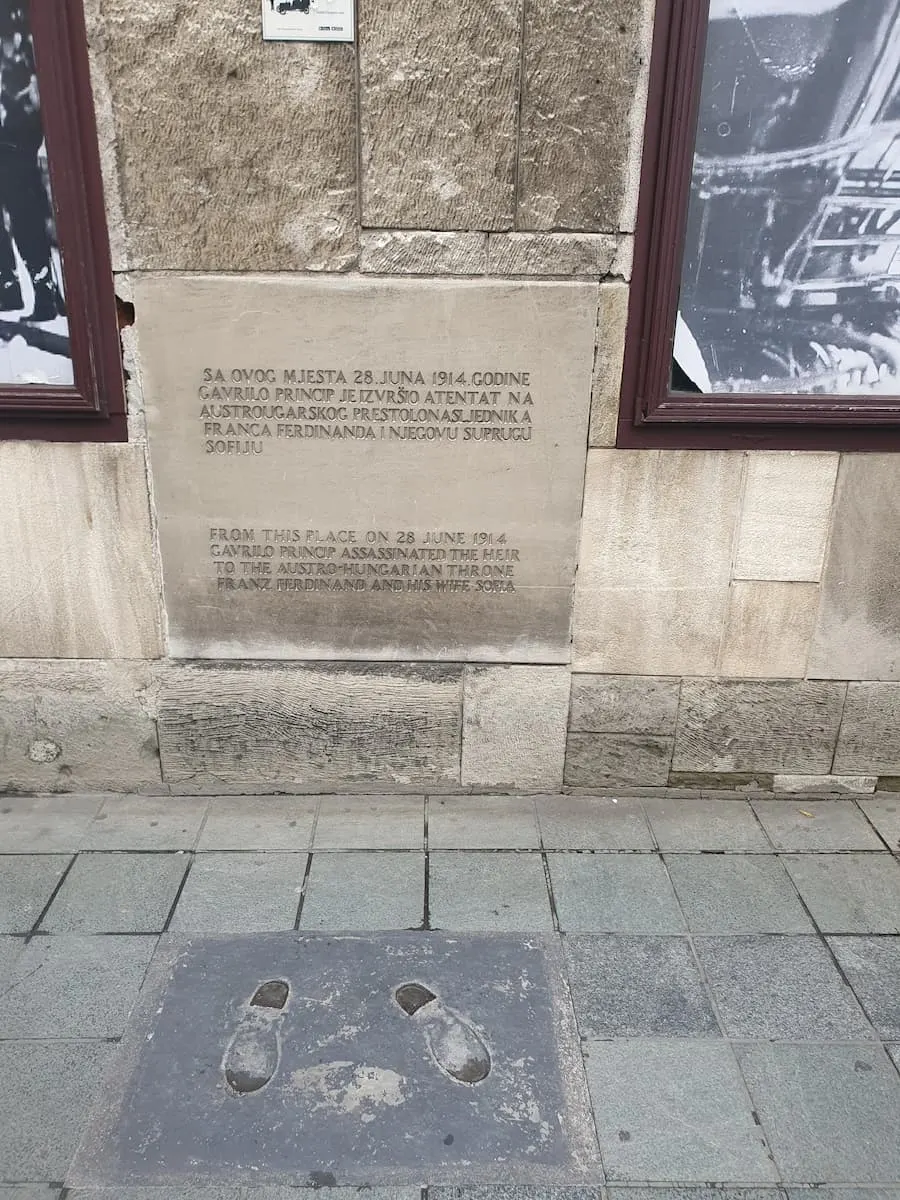
The assassination of Archduke Franz Ferdinand, the heir to the Austro-Hungarian throne, is often cited as the main short term trigger which led to the First World War. Naturally, seeing the site which changed the world has to be top on your list of things to do in Sarajevo.
From this spot near the Latin Bridge, on 28th June 1914, Gavrilo Princip fired the shot which would change the course of history (Credit: Alex Johnson)
To understand why Princip shot Franz Ferdinand, you have to understand a little about the ethnic make up of Bosnia. As remains the case today, there were three main ethnic groups in Bosnia in 1914: Bosniaks, Croats and Serbs. Bosniaks, the largest group, are predominantly Muslims with Bosnian heritage, the Croats, mostly Christians from Herzegovina with ties to Croatia, and the Serbs.
Princip was a Serb. Although Bosnian by birth, Bosnian Serbs felt a strong allegiance to their Slavic Serbian roots, a theme which will become even more important as we work our way through the best things to do in Sarajevo. Unlike the Catholic Austro-Hungarian Empire, Serbs were Eastern Orthodox Christians.
A mainstay of Austro-Hungarian rule of Bosnia was the spread of Bosniak patriotism which was heavily influenced by the west. Serbs saw this as an attempt to eradicate Slavic customs. Indeed, by 1905, Austro-Hungary had banned Serbian texts from Bosnian schools and pulled Serbian-language books from print.
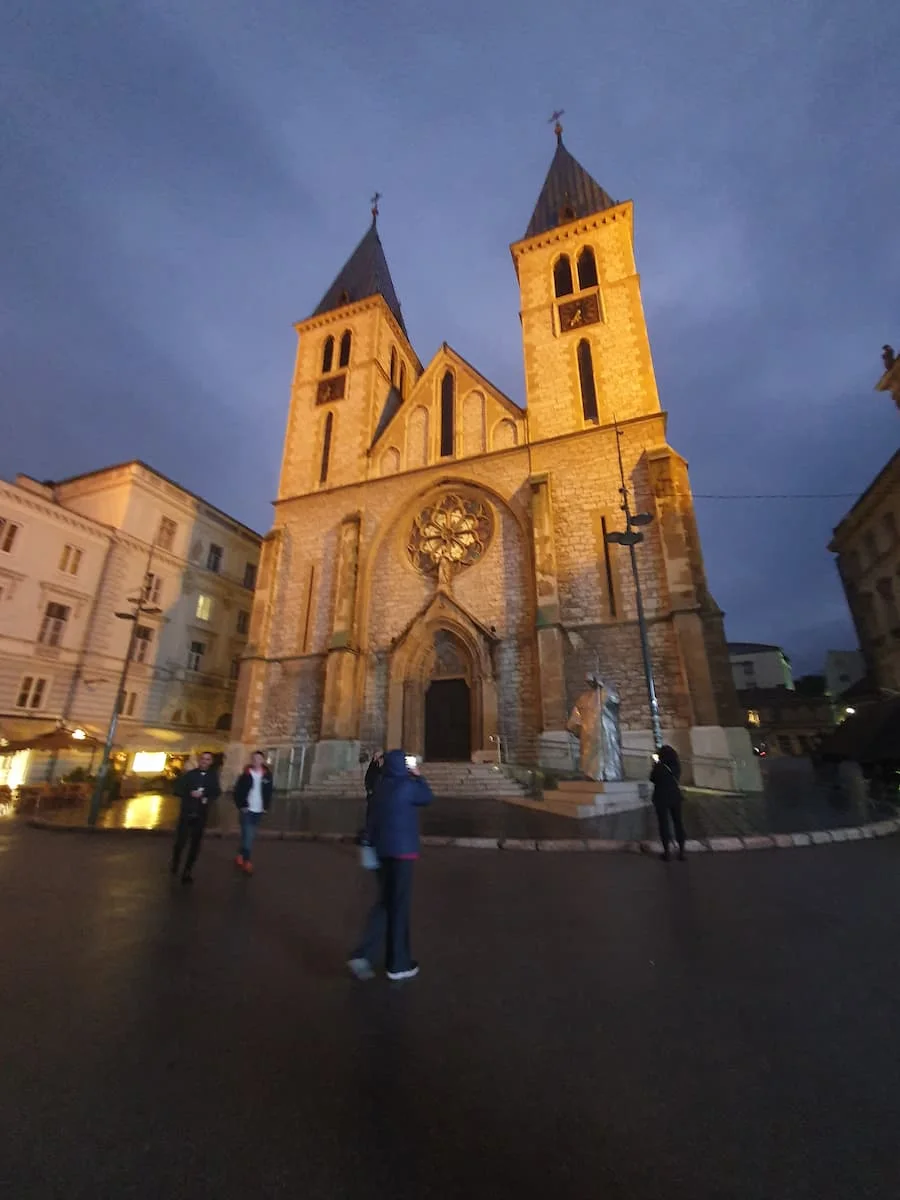
Catholic Sacred Heart Cathedral was built during Austro-Hungarian occupation (Credit: Alex Johnson)
Princip’s motives for shooting the Archduke were simple. He, like many other Bosnian Serbs, wanted a single Slavic Eastern Orthodox state. In a roundabout way, Princip got what he wanted. Four years and 22 million deaths later, Yugoslavia was born, and Bosnia was a part of it.
Where to Go
For a slightly more in depth look at the history, take a walking tour of Austro-Hungarian Sarajevo. A visit to the Sarajevo Museum 1878-1918, right by the assassination spot, is definitely one of the best things to do in Sarajevo.
2. Learn About the Bosnian War
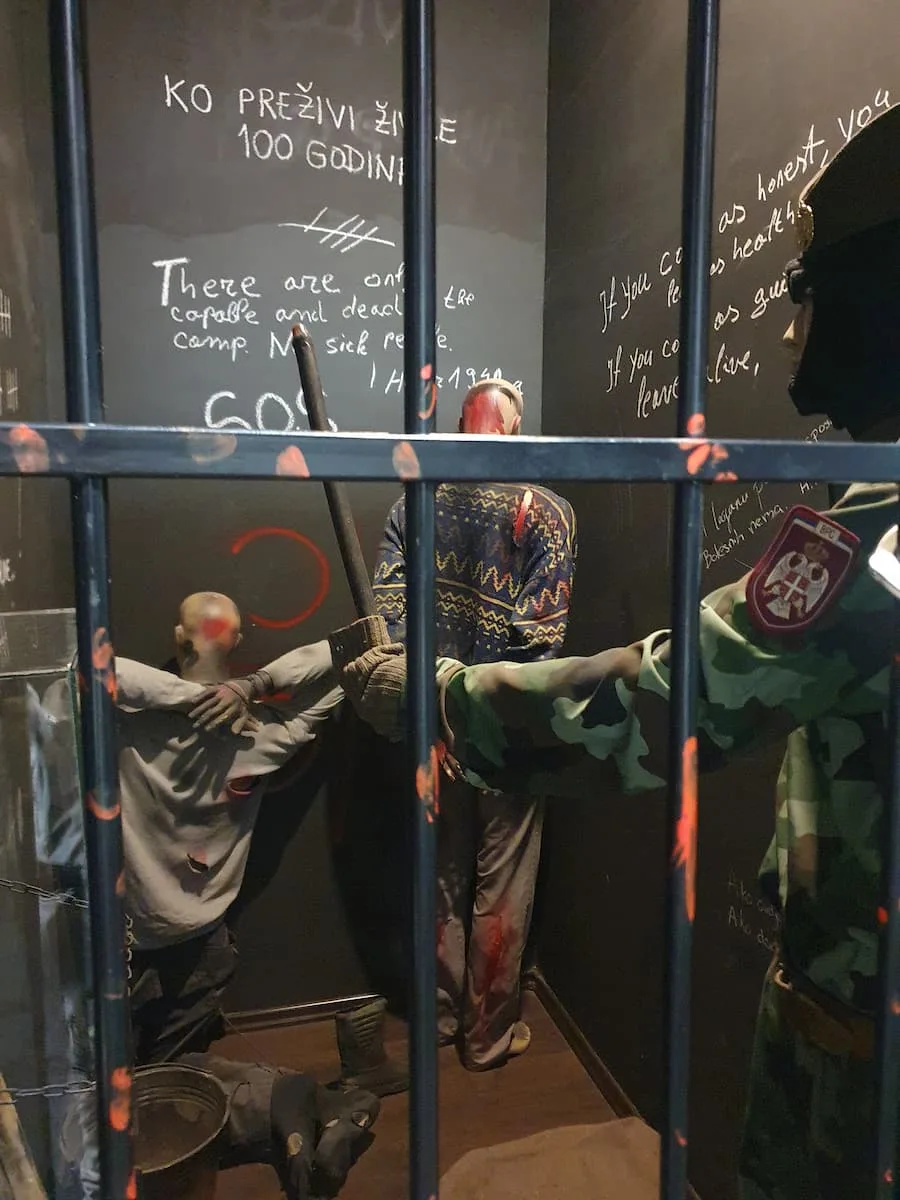
The most moving of all the things to do in Sarajevo, no visit to the city would be complete without delving into one of the gruesome truths of the Bosnian War. For those of us who grew up with the peace and stability of Europe after the fall of communism, it’s almost impossible to comprehend.
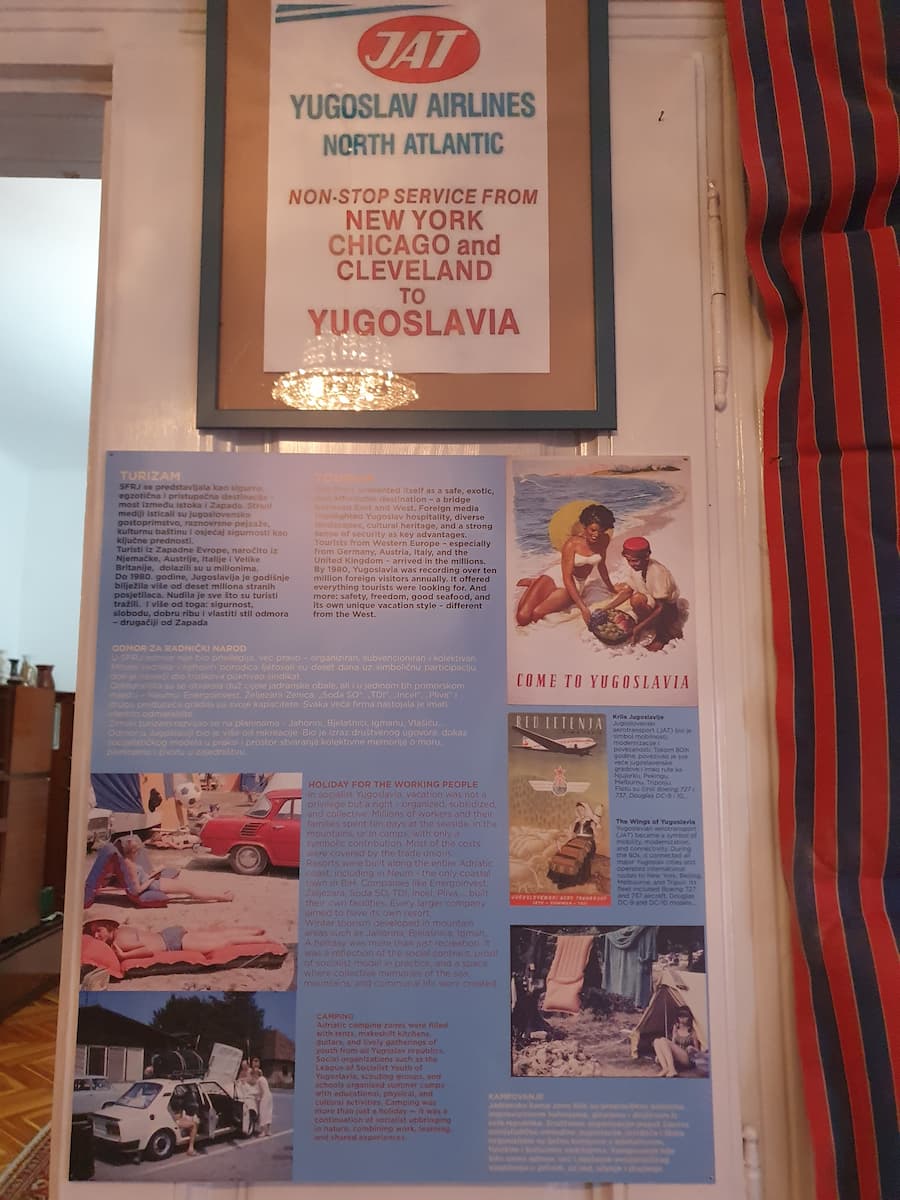
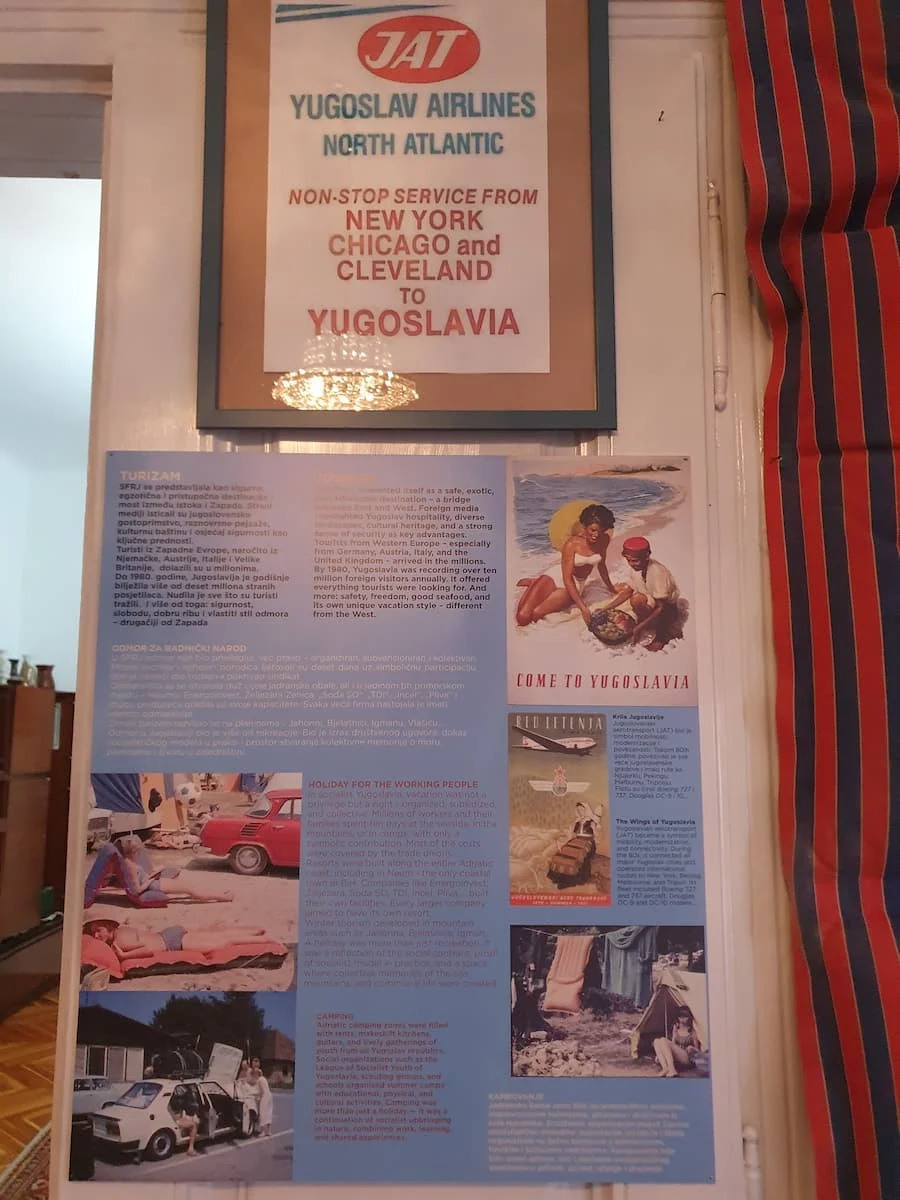
In its heyday, Yugoslavia was prosperous (Credit: Alex Johnson)
Life under Yugoslavia was, contrary to what we may think in the west, very good for most Bosnians. That longed-for peace and stability returned, jobs were plentiful, American products were on the shelves and family holidays were an annual occurrence. Pay a visit to the Sarajevo 80’s Museumin the Old Town to see just how good it was.
As communism in Russia and Eastern Europe fell in 1991, change was inevitable for Bosnia. Yugoslavia was finally coming to an end, something which had been on the cards since Tito’s death 10 years earlier. Slovenia and Croatia were the first to declare independence. Bosnia followed suit on 3rd March 1992.
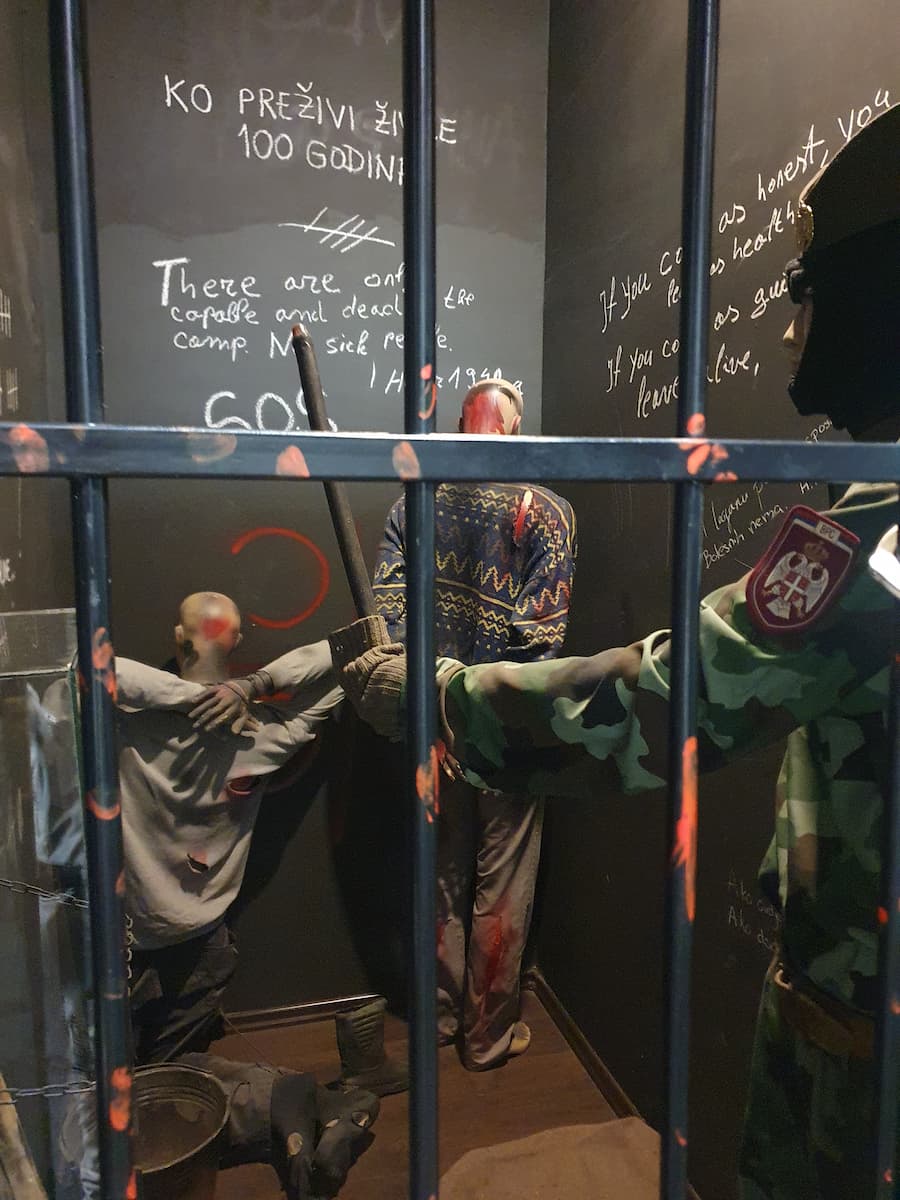
The Bosnian War claimed over 100,000 lives (Credit: Alex Johnson)
The newly independent Bosnia survived just 35 days before one of the worst civil wars in recent history broke out. The writing had been on the wall long before 1992. Bosnian Serbs still believed in a Slavic state. The enforcement of Bosnian nationalism upon them was not to be taken lying down. Within a matter of months, the Serbs had mobilised their forces, taken control of 70% of the country and embarked upon a gargantuan campaign of ethnic cleansing.
In the three-and-a-half years which followed, more than 101,000 were killed. The vast majority, Bosniak Muslims. In the process, 2.2 million more were forced to flee their homes. The war effort drew in 25,000 U.N. soldiers from around the world.
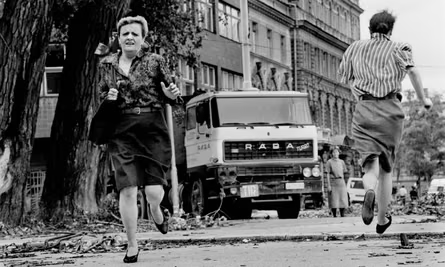
The main thoroughfare between Sarajevo’s Old and New Towns was dubbed Sniper Alley (Source: The Guardian)
Where To Visit
To get a feel for life during wartime, one of the best things to do in Sarajevo is to take a walk along Sniper Alley. It’s thought that over 1,000 people were shot on this street alone. 225 of them, fatally. The Siege of Sarajevo Museum and Museum of Crimes Against Humanityprovide some of the best, albethey most sobering, insights into the Bosnian War.
Travel tip: You can save money with a combined ticket for the 80’s Museum, Museum of Crimes Against Humanity and Siege of Sarajevo Museum. These aren’t available online, but can be purchased from whichever museum you visit first withcash or card.
Watching the world go by from Central Park, it’s hard to imagine just how different Sarajevo was 30 years ago (Credit: Alex Johnson)
The War Childhood Museumshould also be on your list. It’s one of the saddest things to do in Sarajevo, but also one of the most rewarding. Words cannot do it justice, so I won’t even try.
For a more in depth look, join a tour with a war veteran. Aside from hearing tales from the front line, you’ll also visit the next place on our list of the top things to do in Sarajevo- the Tunnel of Hope.
The Tunnel of Hope
One of the most significant aspects of the Bosnian War, the Siege of Sarajevo outlasted the war itself. Running from5th April 1992 to 29th February 1996, it went on for some 1,425 days. That’s 3 years, 10 months, 3 weeks and 3 days, making the Siege of Sarajevo the longest in modern history.
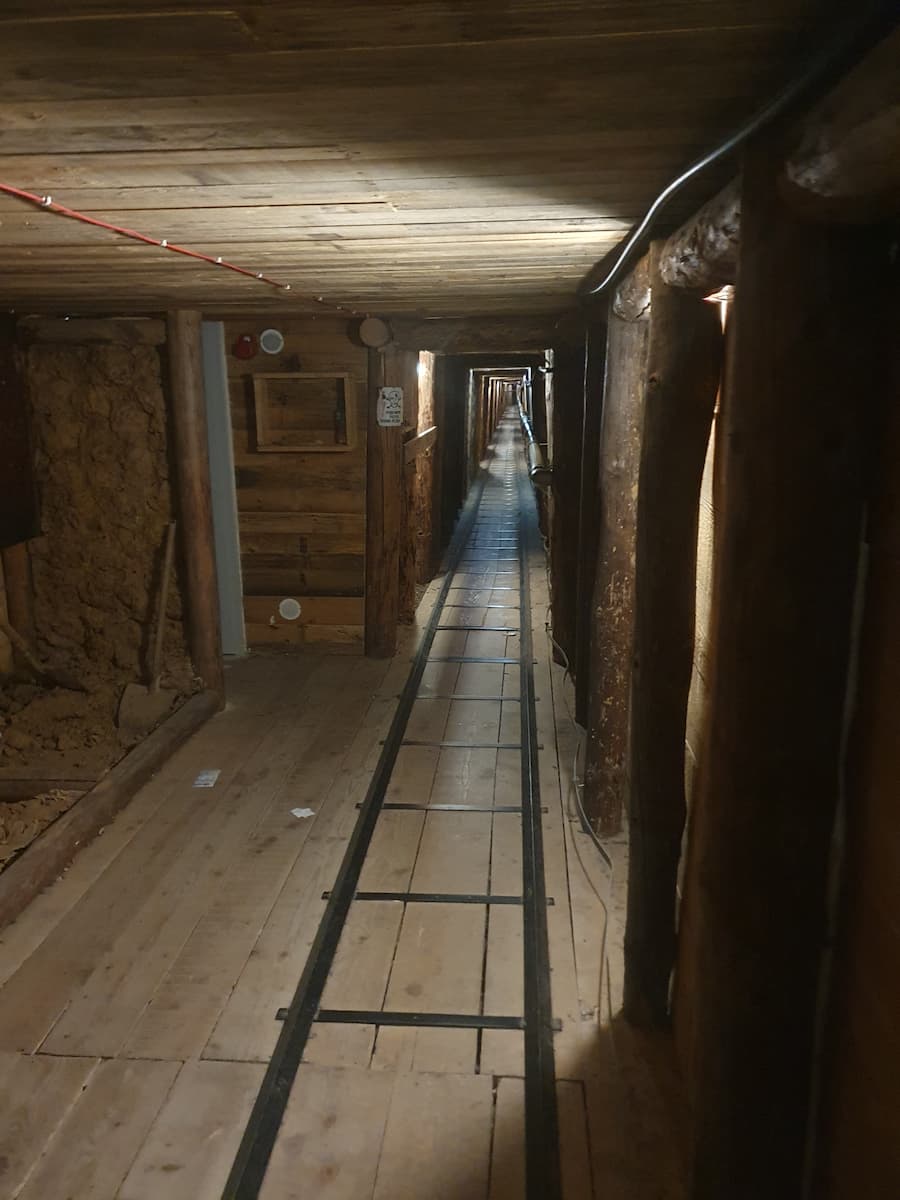
The Tunnel of Hope is also known as the Tunnel of Peace and Tunnel of Salvation (Credit: Alex Johnson)
Inside the city, Bosniak troops were locked down by the Serbs, striving to create a Serbian Republic. With no way to get essential supplies of food, munitions and humanitarian aid into the city, in March 1993, Bosniak forces set about building a tunnel.
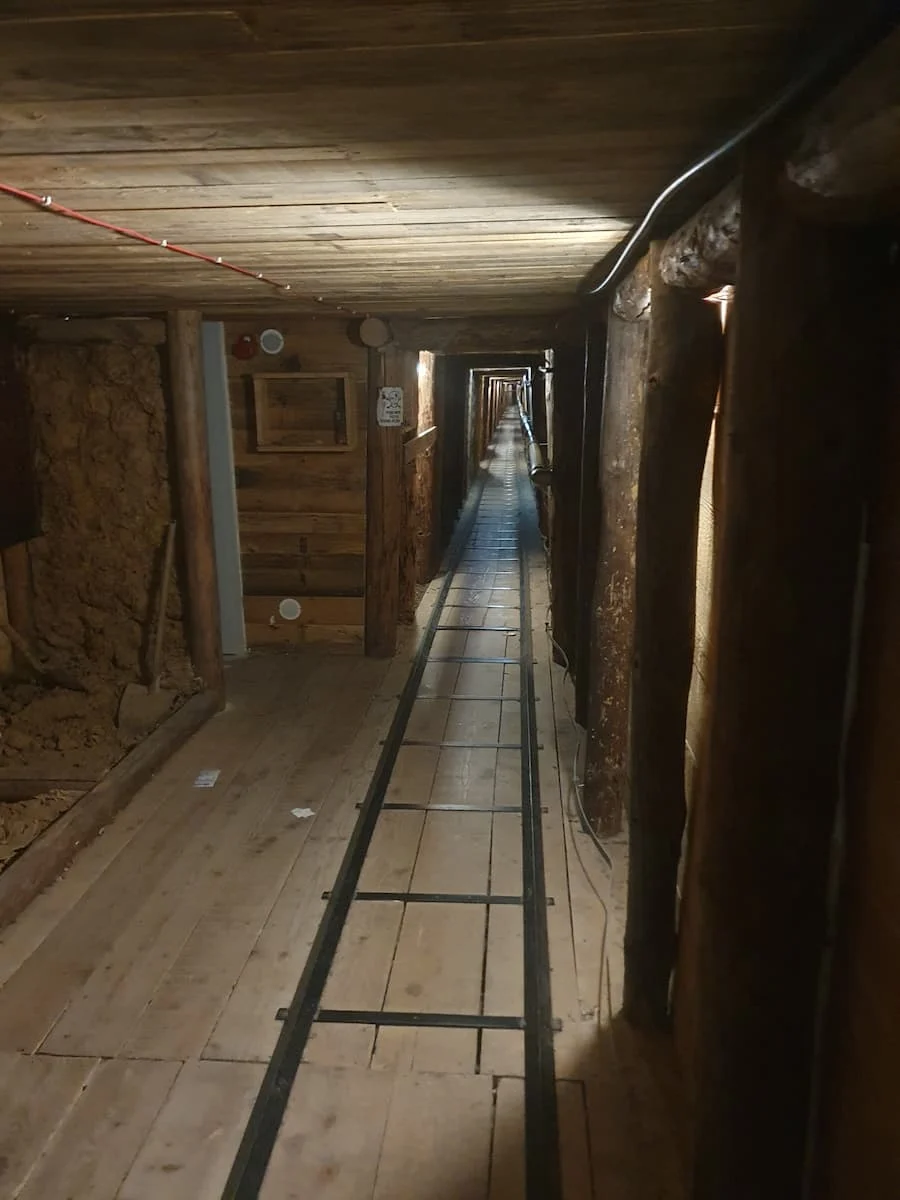
The Tunnel of Hope runs for 800m under the airport runway. At justa meter wide, a one-way system had to be implemented. You can see the site of the tunnel, and take a look at a preserved section, at the Tunnel of Hope Museum. Of all the great things to do in Sarajevo, this one really has to be on your list. It’s worth noting the museum is cash only (Bosnian Marks, Euros aren’t accepted).
Bosnia Today
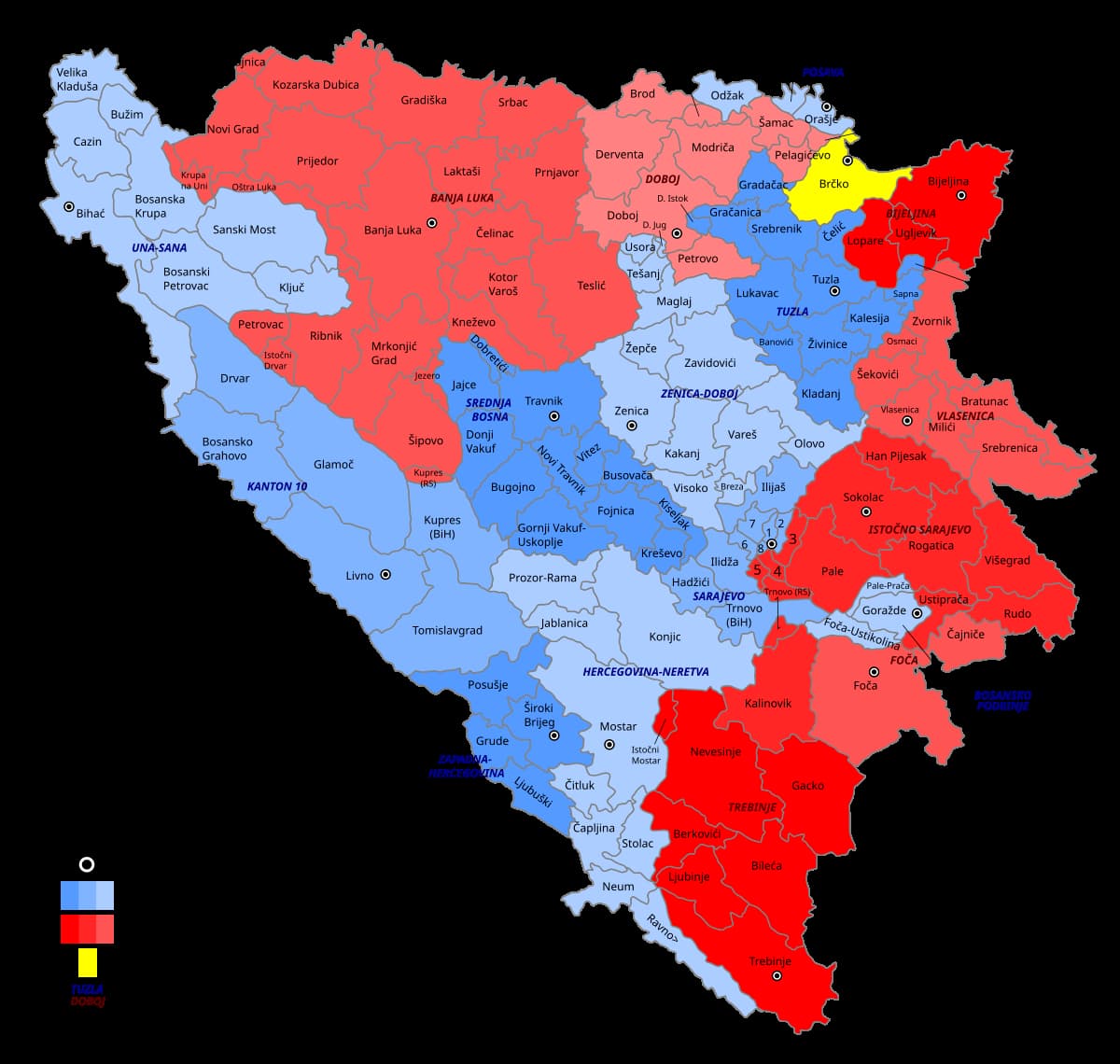
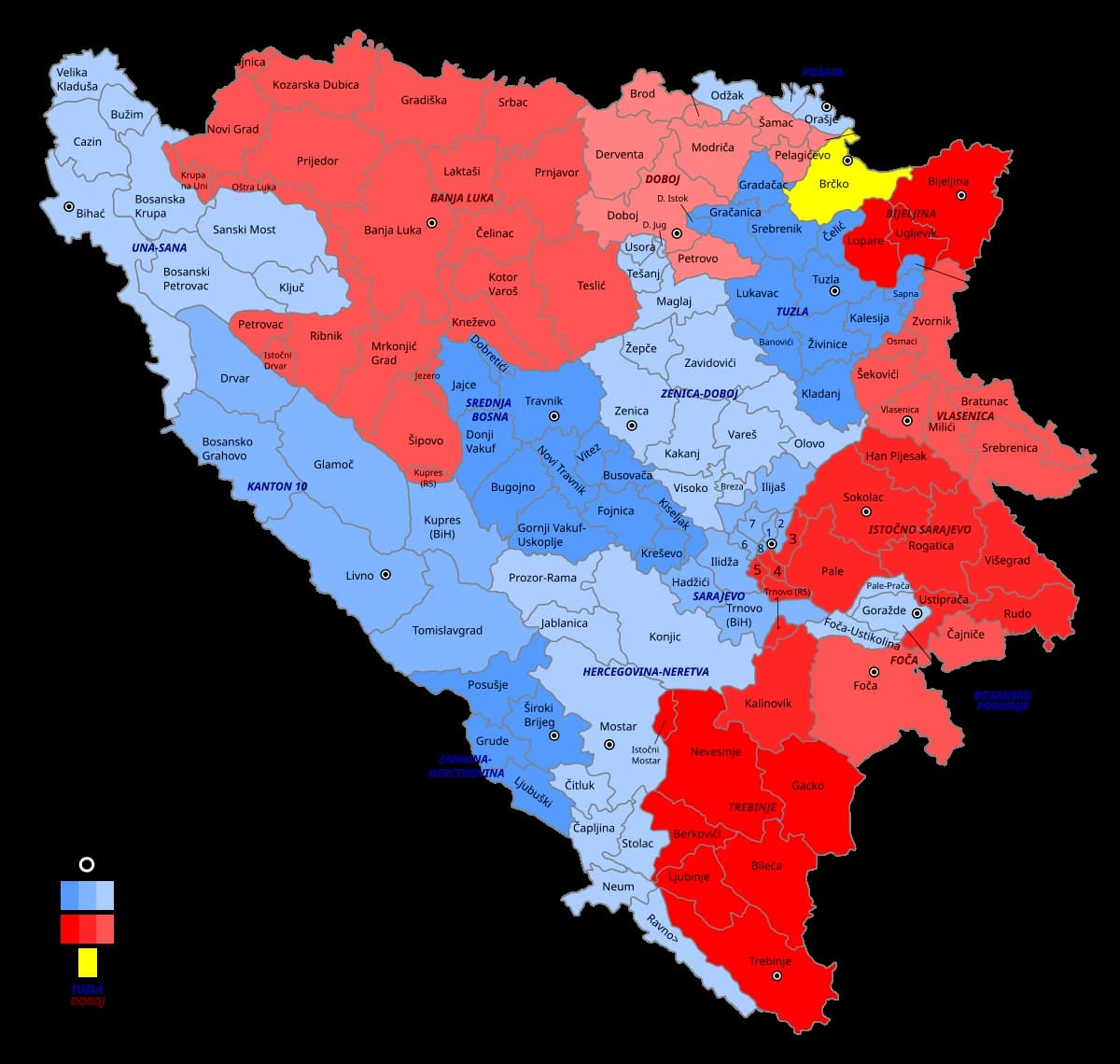
Whilst peace finally came in the form of the Dayton Agreement in 1995, a little like Princip in the assassination, the Serbs weren’t categorically unsuccessful. Today, whilst Bosnia & Herzegovina is one country, it is divided into three political entities. Republika Srpska (the Serbian Republic), is the second largest of its entities. The division between the modern Federation of Bosnia & Herzegovina and Republika Srpska is still marked by the Tunnel of Hope.
You can see the area covered by Republika Srpska shown in red (Source: Wikipedia)
3. Walk Along an Olympic Bobsleigh Track
It’s not all doom and gloom, I promise. If you’re thinking our recommendations of things to do in Sarajevo have been a little on the depressing side so far, I’m pleased to say it gets a lot cheerier from this point on.
I mentioned earlier how the quality of life for Bosnians during the Yugoslav era was very high. The next stop on your tour of the best things to do in Sarajevo showcases a highpoint of that era. In 1984, Sarajevo hosted the Winter Olympics.
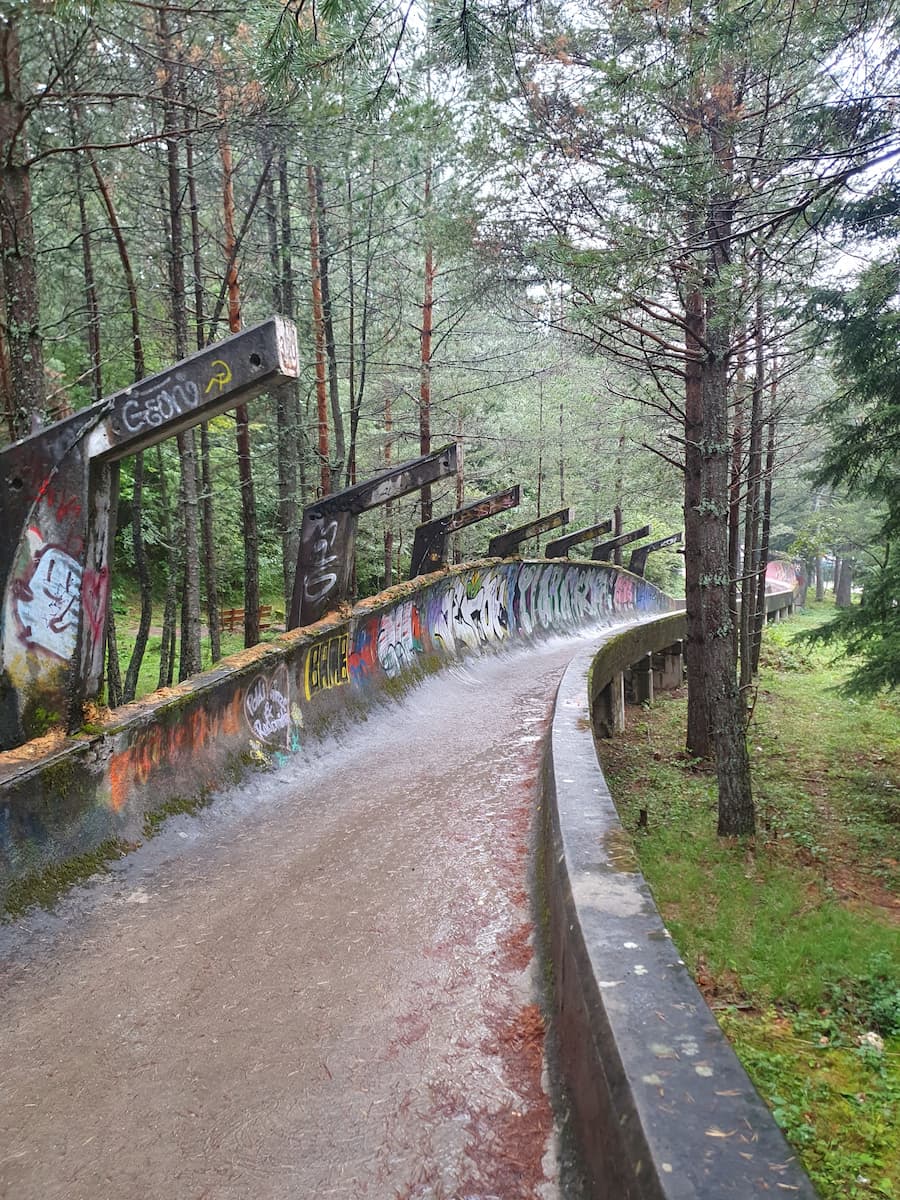
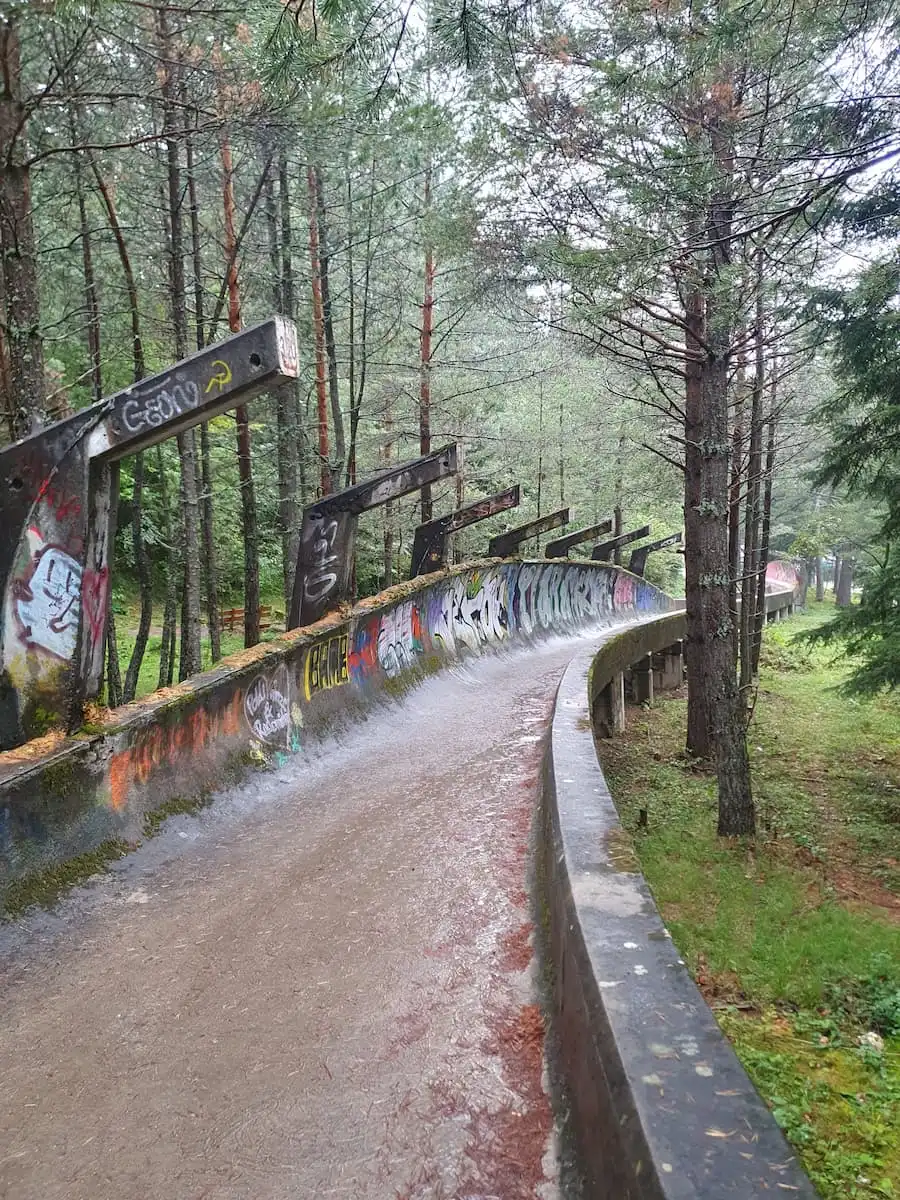
Take a walk along the abandoned Bobsleigh track (Credit: Alex Johnson)
For Bosnians, this was a proud moment. Not only was Sarajevo being showcased to the world, this was the first time a Slavic country had hosted a Winter Olympics. In fact, it would be the only time a communist country hosted the games untilBeijing 2022.
To see the, now graffiti-covered, track for yourself, take the cable car up Trebevic Mountain. If you’re staying in the Old Town, the bottom station is within walking distance, close to Sarajevska Brewery which is well worth a stop on the way back- they’ve been brewing beer since 1907.
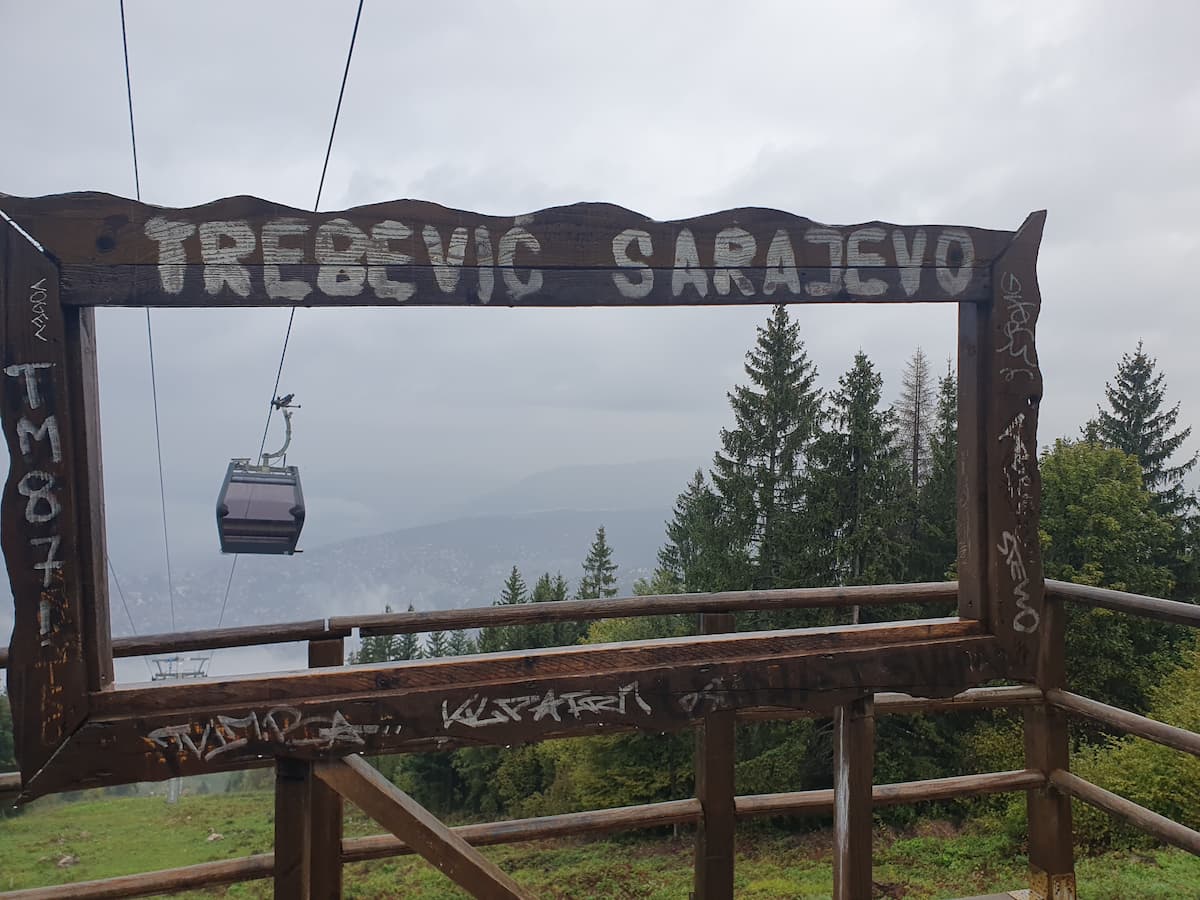
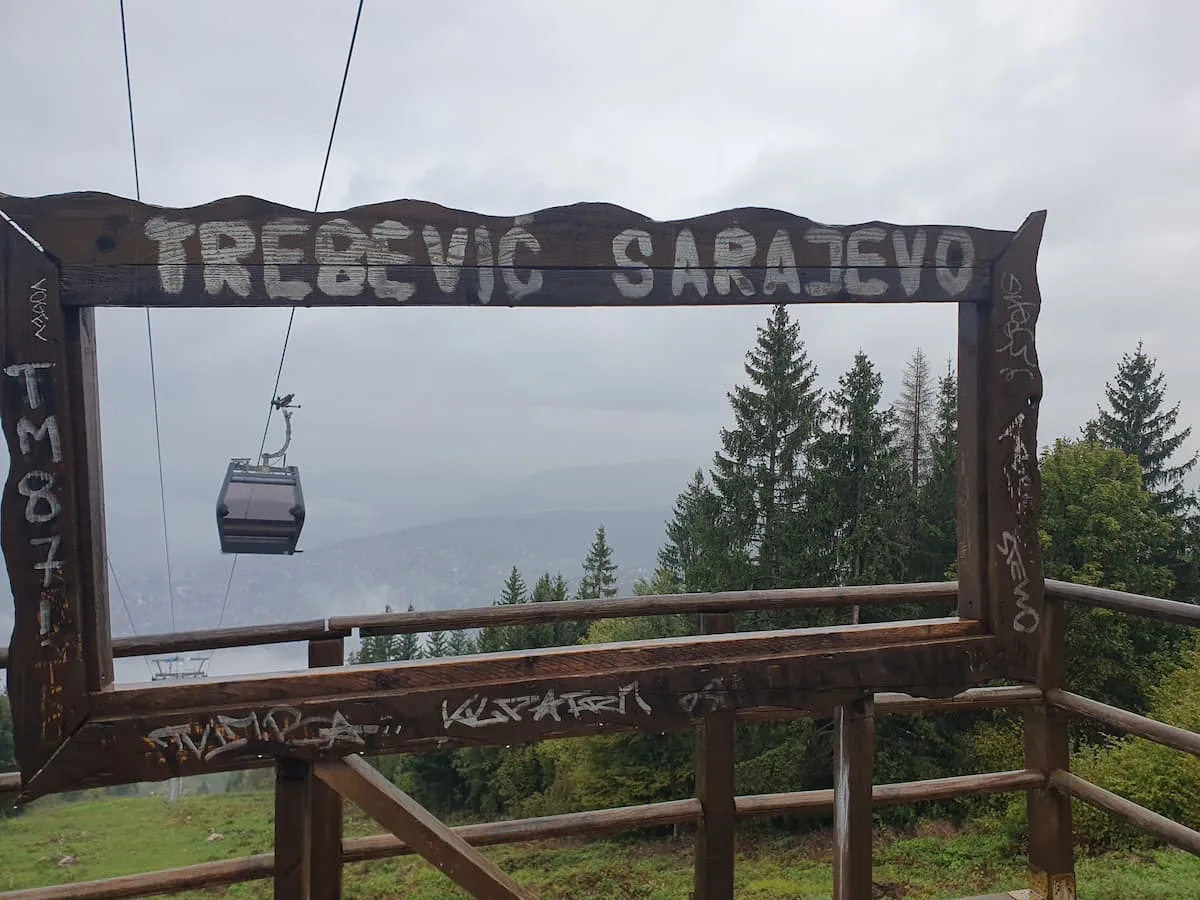
Trebevic offers a sweeping panorama across the city. Unfortunately, I can make no promises you’ll actually be able to see it (Credit: Alex Johnson)
If you’re feeling especially active, it is possible to hike up Trebevic. If you want to learn a little whilst you walk, join a guided hike and come down by cable car. Another of the best things to do in Sarajevo is to add your own mark to the city. Take a graffiti workshop on Trebevic Mountain, and leave a souvenir for the next visitor.
4. Catch Sunset at the Yellow Fortress
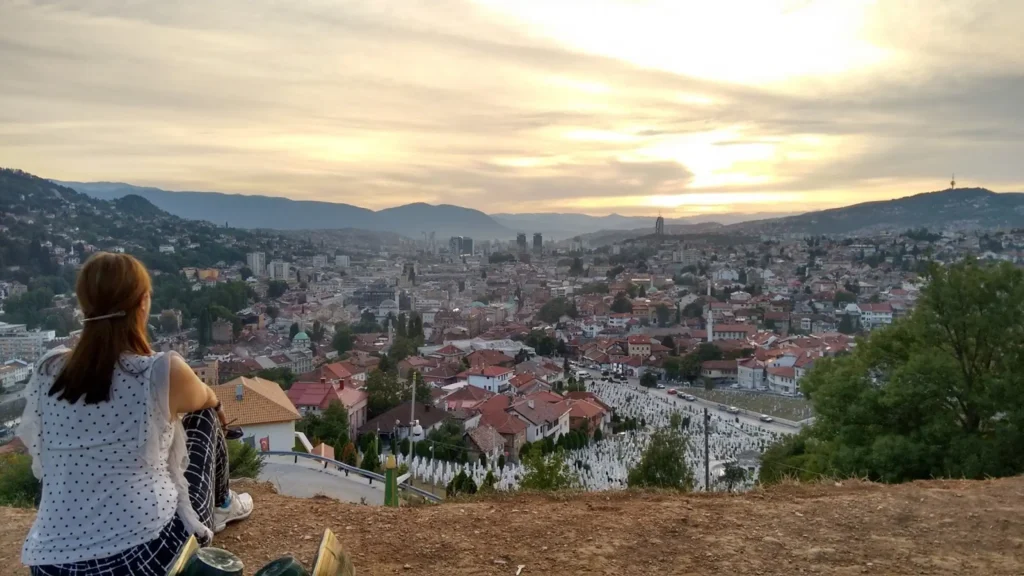
After all we’ve discussed in our look at the best things to do in Sarajevo, it might be hard to cast your mind back to those peaceful days of the Ottoman Empire. Almost 200 years before Princip shot Franz Ferdinand, the Yellow Fortress was built in 1729. When Austro-Hungary invaded in 1878, the Yellow Fortress was the first line of defence.
For the best views, head to the Yellow Fortress for sunrise or sunset (Source: Get Your Guide)
Perched on a hillside at the western edge of the Old Town, visiting the fortress requires a bit of a hike, but you won’t regret it. The views across the Old Town are breath-taking. On a clear day, you can see all the way along Sniper Alley towards the airport.
5. Soak Up Ottoman Vibes in the Old Town
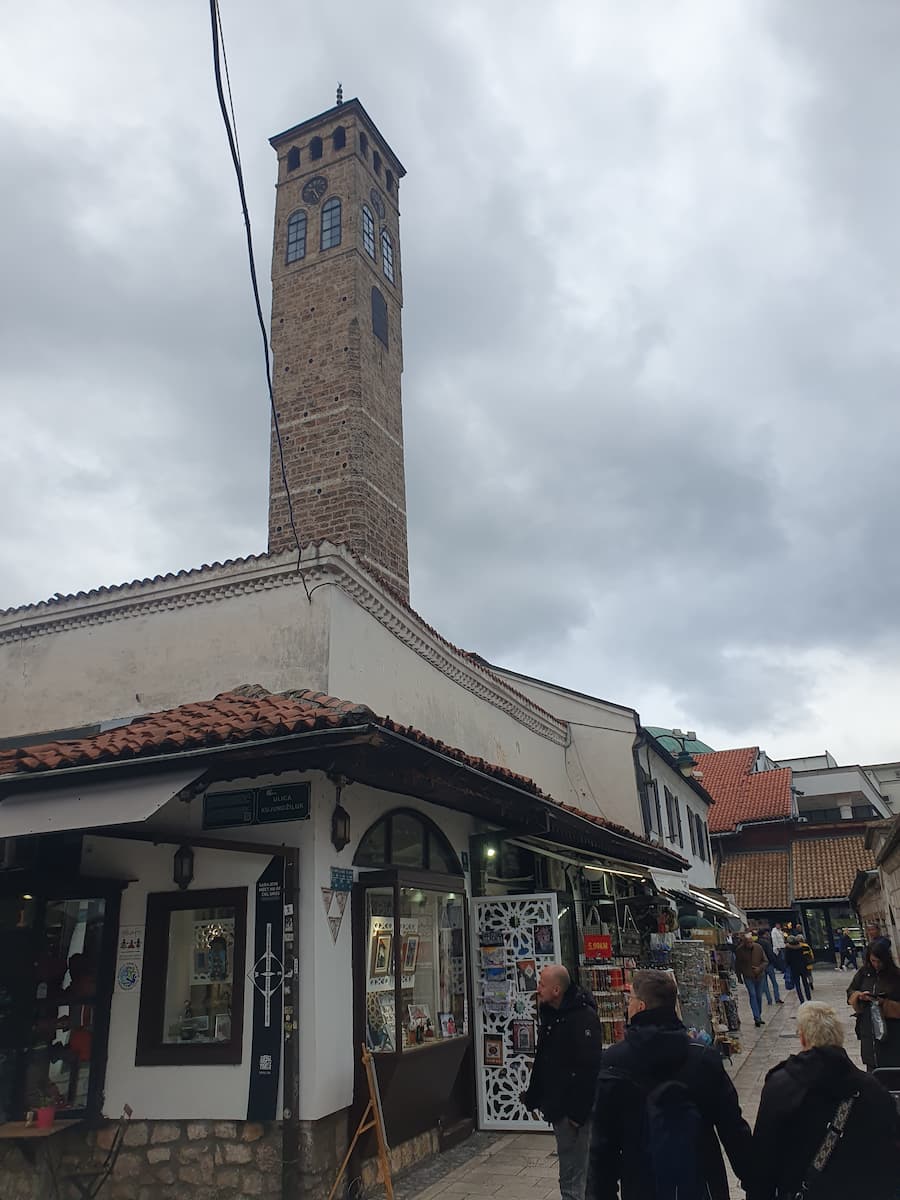
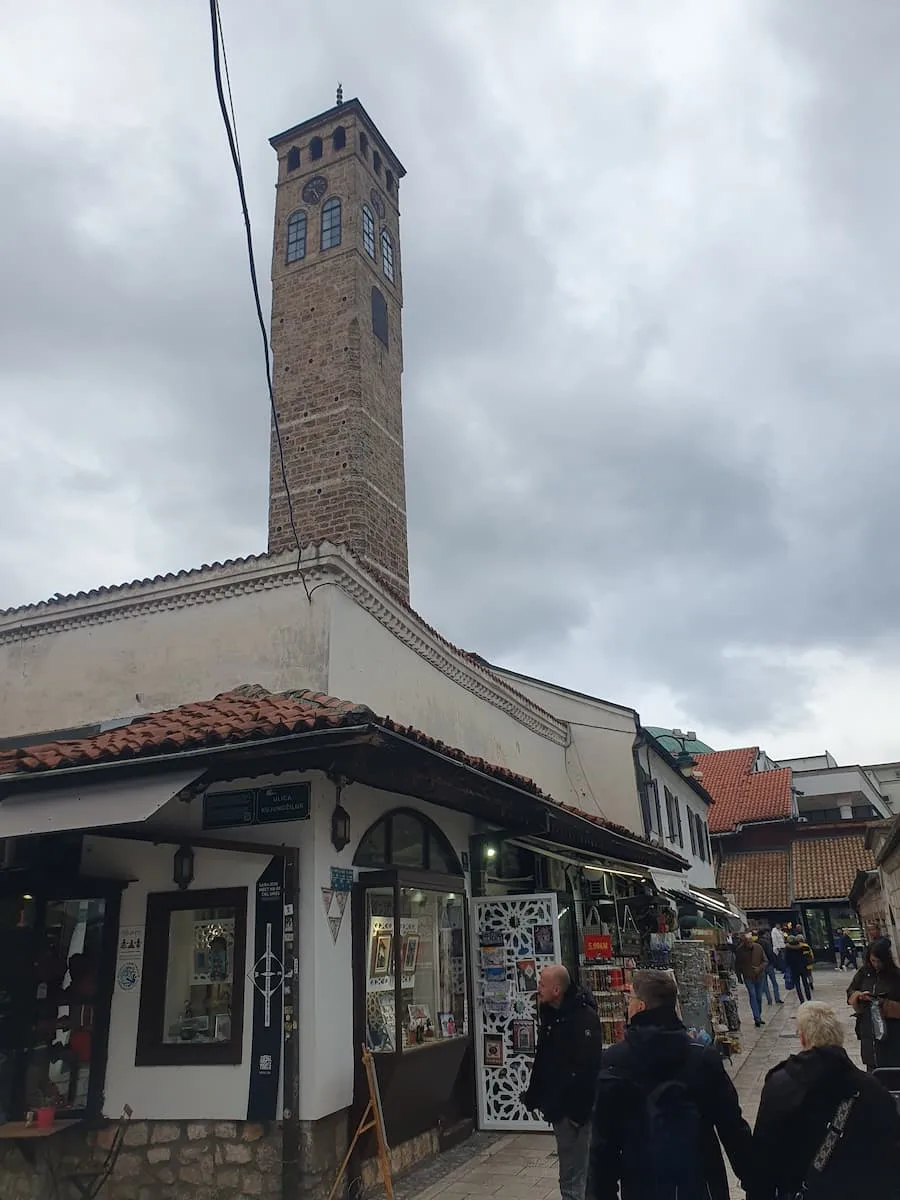
Bascarsija, the Ottoman Old Town is the Sarajevo you’ve seen in the guidebooks. East meets west on its narrow cobbled streets. You may feel like you could be in Dubrovnik, you may feel like you’re in Istanbul. In reality, there’s only one place you could possibly be: Sarajevo.
Mosques, churches and synagogues go hand-in-hand in Bascarsija (Credit: Alex Johnson)
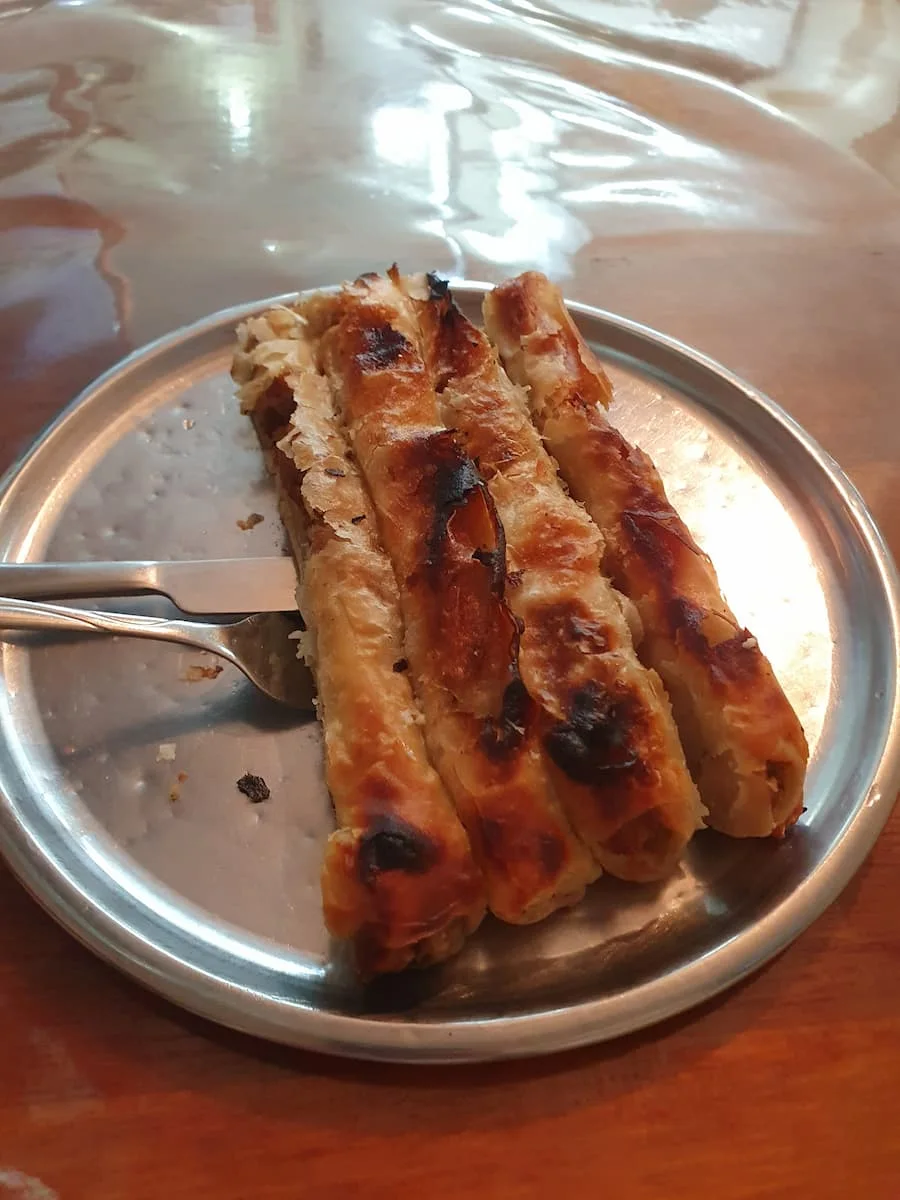
Bascarsija’s lanes are packed with souvenir shops, cafes and restaurants serving Bosnian and Turkish classics. You’ll instantly notice the displays of baklava and Bosnian Delight in the windows. Don’t fall into the trap of calling it Turkish Delight; they’re similar, very similar, but the ingredients do differ.
To get a feel for the area, take a walking tour to see just how Sarajevo became the cultural meeting point it is today. If you want to experience life as it was during the Ottoman era, pay a visit to Svrzo’s House, a typical 18th century home, or join a tour of Islamic Sarajevo.
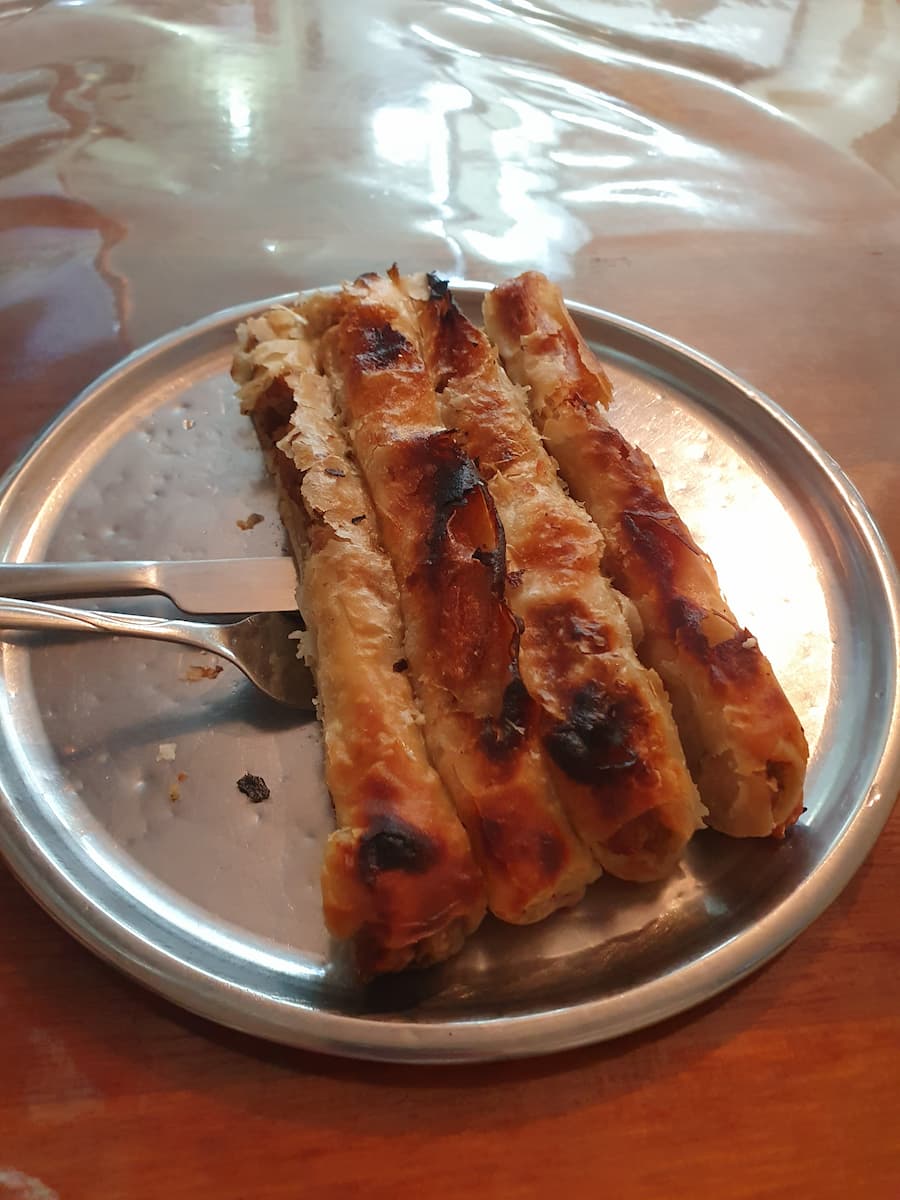
Burek is the go-to street food in Bascarsija (Credit: Alex Johnson)
Where to Stay in Sarajevo
You’ll need at least two full days to get round all the top things to do in Sarajevo. If you’re able to add on a couple more days to explore more of Bosnia & Herzegovina, you won’t regret it. Either way, our top recommendation is to stay in the Old Town, Bascarsija.
Hotel Europe is the most iconic spot in town. The only 5-star property in the old town, the Europe opened its doors in 1882 and has played host to visiting royalty and dignitaries ever since. Even if you don’t book a room here, be sure to stop by their Viennese Café for coffee.
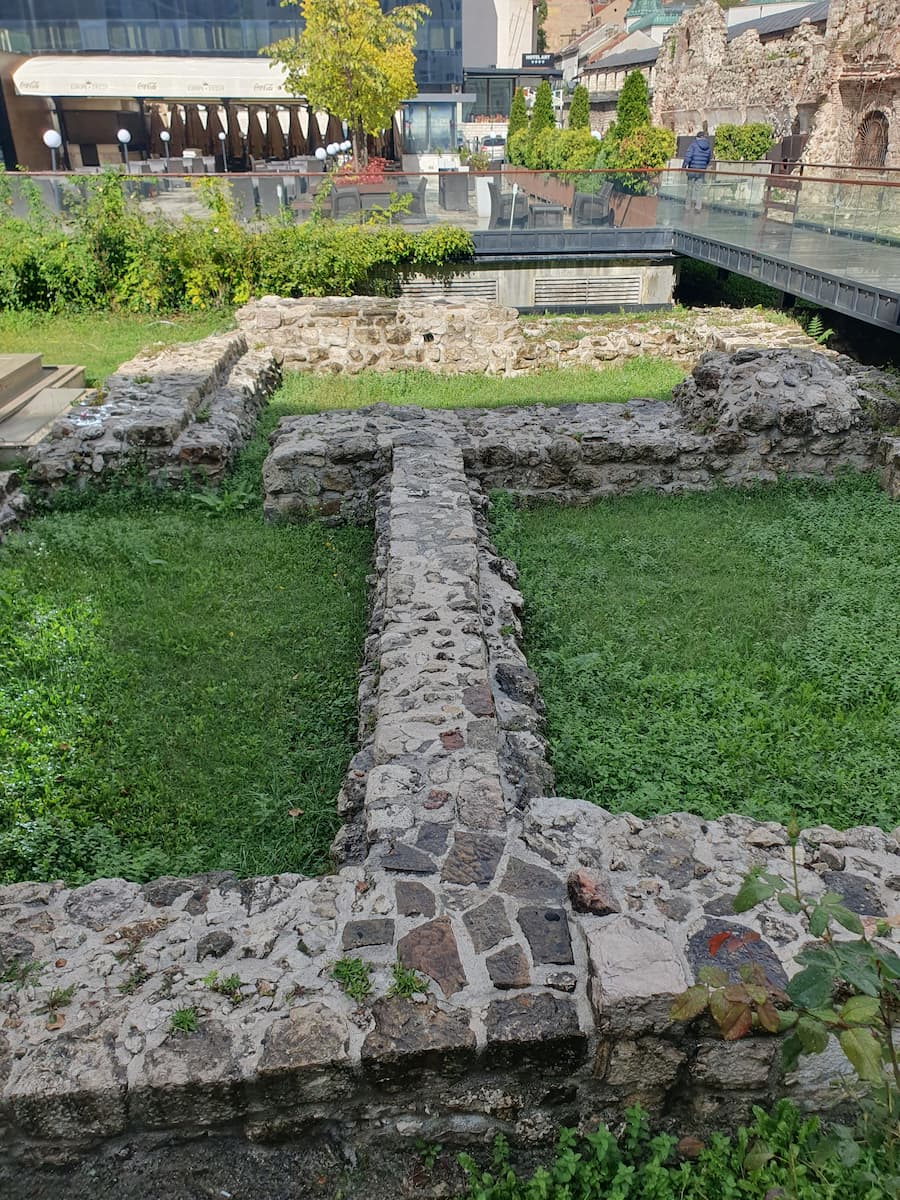
The remains of a 16ht century caravanserai stand in the grounds of Hotel Europe (Credit: Alex Johnson)
Hotel Central is another top choice for a centrally located hotel. The rooms are modern and there’s an excellent on-site health club. For a great value stay without compromising on location, boutique Hotel Art comes with a full-service spa and free breakfast.
Get Out of Sarajevo
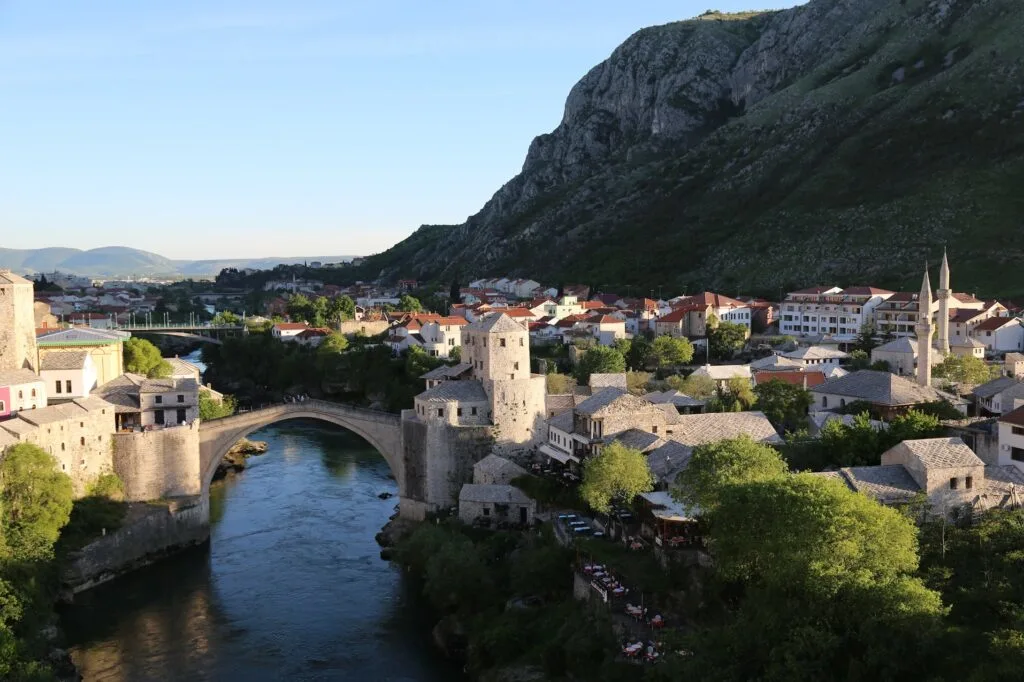
If you do find you’ve got those couple of extra days to spare, Bosnia & Herzegovina is beyond beautiful and longing to be explored. Take a day trip to the 4 Cities of Herzegovina to uncover Mostar’s UNESCO treasures. Alternatively, delve further into the atrocities of the Bosnian War with a chilling tour of Srebrenica, the site of one of the worst genocides in history.
Traveling soon? Subscribe to The Insight below and get exclusive access to our personalized travel advice community via WhatsApp so you can ask all your burning travel questions.
Looking for the best comprehensive travel insurance? SafetyWing has you covered. And for your eSIM in every country, there is only one option we recommend: Airalo.