We may receive a commission if you make purchases through affiliate links (at no extra cost to you). Read why our approach to travel is different.

Here’s what you should know when browsing for the best matcha in Kyoto. This city is where matcha was born. And I do mean it literally.
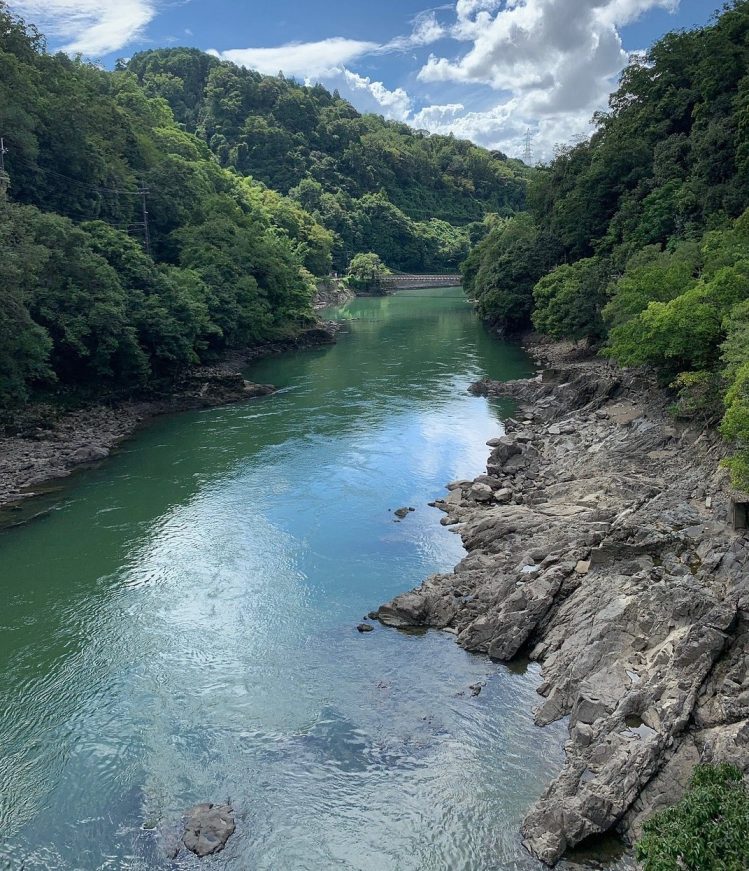
The Uji hills south of the city have been growing tea since monks hauled seeds over from China nearly 1000 years ago. The region still produces what most tea people consider the finest matcha on the planet – something I have to agree with!
(Credit: Svetlana K)
I do have a confession to make though: I’ve never been a huge matcha fan. But everything changed the first time I visited Kyoto. A local friend coaxed me into signing up for a traditional tea ceremonyand I have to say, real Japanese matcha can’t even begin to compare with the overly processed, artificial stuff I tried back home.
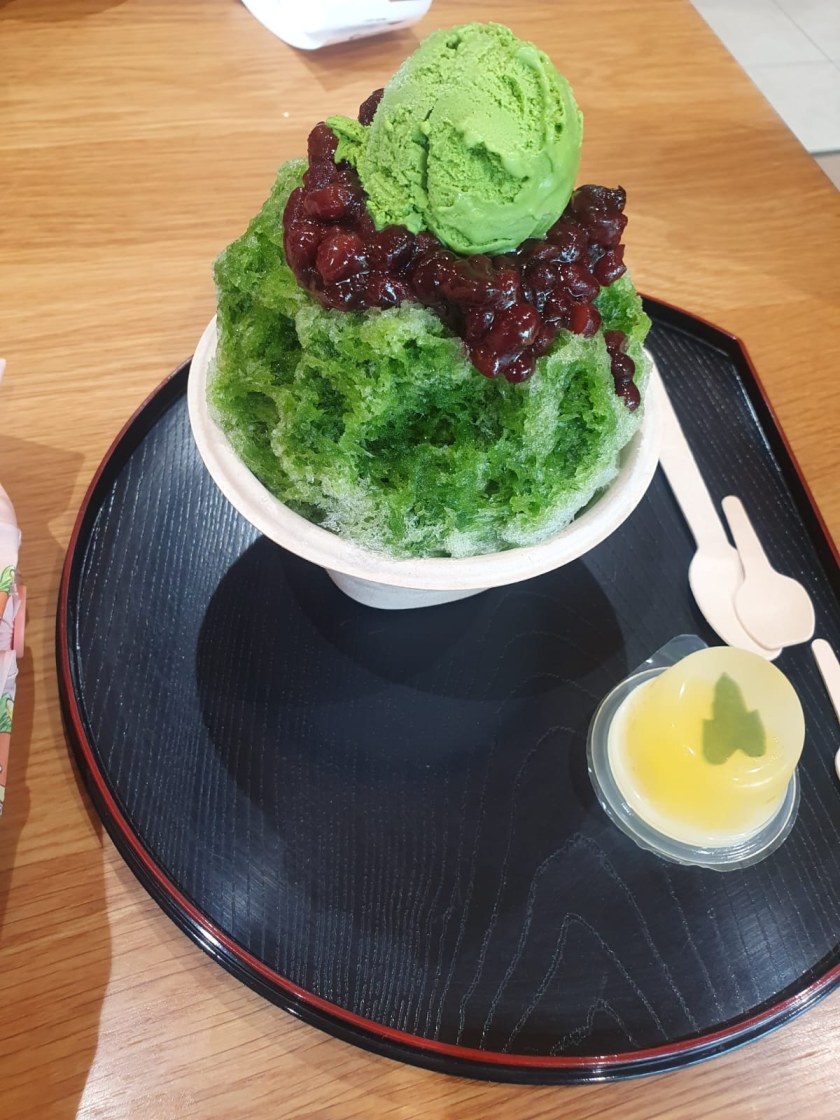
The city’s got centuries-old tea houses doing thick ceremonial bowls behind sliding screens, flagship matcha cafes serving specialized ice creams, and small producers who’ve been perfecting their craft for centuries.
Fair warning, though: once you’ve had the real thing here, the stuff you buy at home is going to taste flat.
Anyway, with that in mind, let’s check out my picks for the best matcha in Kyoto. And trust me, because I literally tried every single matcha spot I could find in Kyoto.
Skip to...
1. Ippodo Tea: Best Matcha in Kyoto For Newbies
Ippodo isn’t exactly a hidden gem in the city. It was actually one of the most touristy tearooms I visited in Kyoto.
For me, what set Ippodo apart from other matcha spots is the staff. As soon as we sat down, they wanted to know what we liked so they could point us to the right grade. In a city where a lot of famous tea rooms treat tourists like part of an assembly line, that personal touch makes a real difference.
The shopping area up front has every kind of Japanese tea you can think of, but the Kaboku Tearoom at the back is what you’re here for.
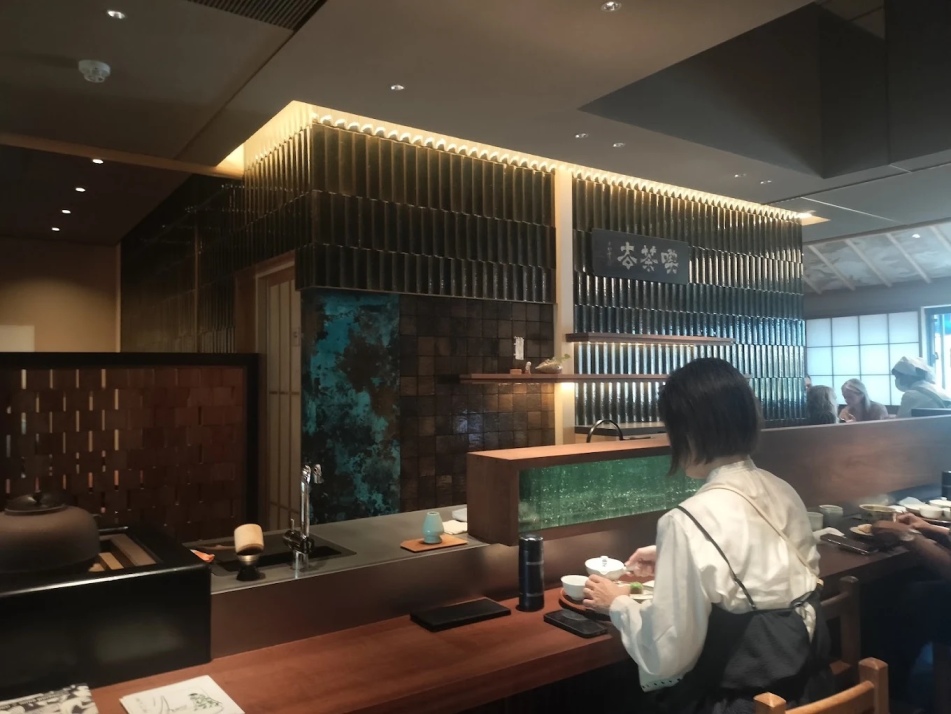
Instead of just ordering a matcha-based drink, my local friend suggested that we book a hands-on experience instead. This basically means they’ll walk you through whisking your own bowl. The staff will even take you through the water temperature and powder amount. They also taught us how to do that distinct W-shaped wrist motion so your powder is perfectly incorporated. Okay, I’ll admit that my foam wasn’t great, but the matcha was. Rich, smooth, and with a sweet undertone I didn’t expect from something so green.
Oh, and the best part? Each bowl comes with a seasonal wagashi sweet (classic Japanese candy) from a local confectioner.
Insider tip: They do sell tins of matcha that you can bring back home, but ask the staff to help you pick out the best ones based on what you’ll be using it for. I learned there’s a different type of matcha for lattes (which was mostly why I wanted to stock up). These tend to be cheaper than the ceremonial grade one.
2. Nakamura Tokichi Main Store Honten: The Quintessential Uji Tea Pilgrimage
So this Nakamura Tokichi branch isn’t technically in central Kyoto. But trust me when I tell you it’s the most worthwhile day trip on this entire list!
Getting there is super easy. You just need to hop on the JR Nara Line which will take you to JR Uji Station in around 20 minutes. From there, it’s a short walk toward Byodo-in Temple. By the way, that’s the temple you’ll find on a 10-yen coin.
Now just a quick heads up before we get into that one. Because it serves some of the best matcha in Kyoto, this spot is insanely popular. They run a ticket system and you want to get there early otherwise you’ll be waiting in line forever.
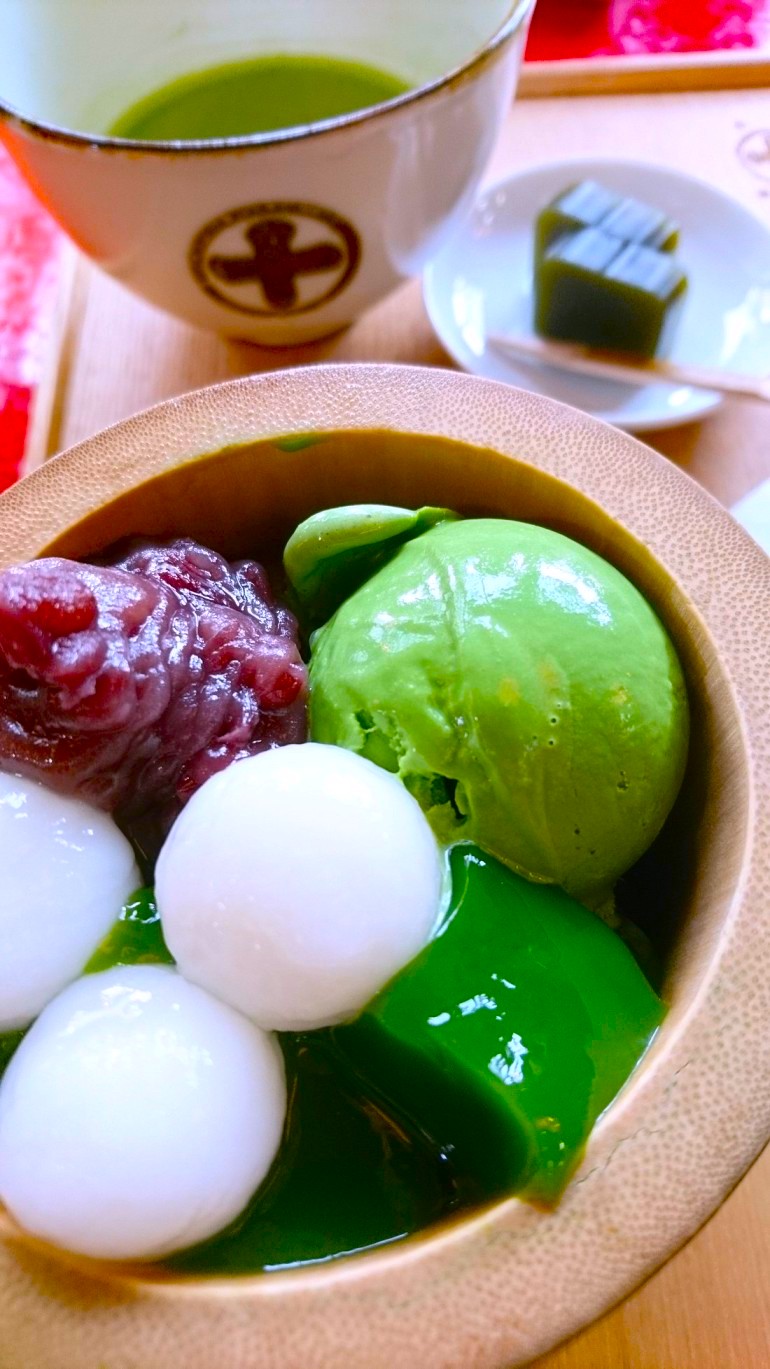
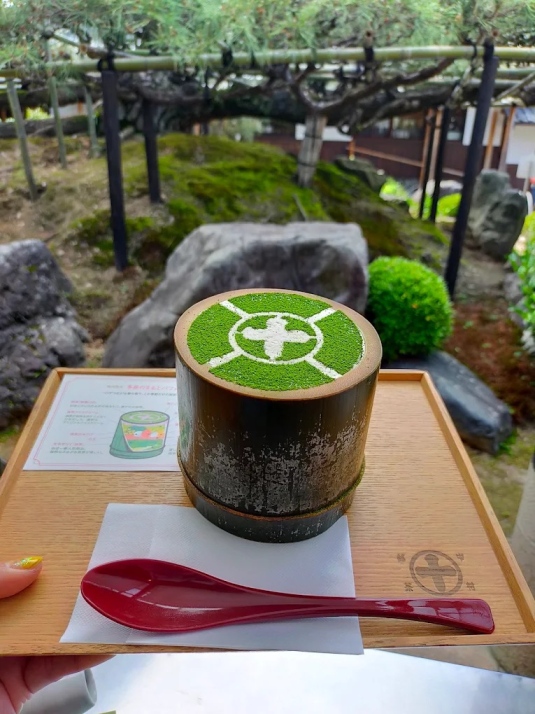
I ordered the Maruto Parfait which is the signature thing to order over there. Served in a bamboo tube, it’s got layers of jiggly matcha jelly, cream, sponge cake and seasonal fruits and nuts. The matcha had a proper bitter undertone which is how you know you’re getting the good stuff.
P.S: If you’re not pressed for time, take a tour of the temple and tea museum. It’s nothing like central Kyoto. Quiet river town, barely any tourists, the kind of place where four hours passes and you wonder where it went.
3. Kagizen Yoshifusa: Matcha The Way Kyoto Did It 300 Years Ago
This is where you go if you want the best matcha in Kyoto the way they did it 300 years ago during the Edo period!
Unlike trendier cafes, this matcha spot has no parfaits, no soft-serve, none of the Instagram spectacle. Ironically enough, Kagizen Yoshifusa sits on the main street of Gion, directly across from a Starbucks.
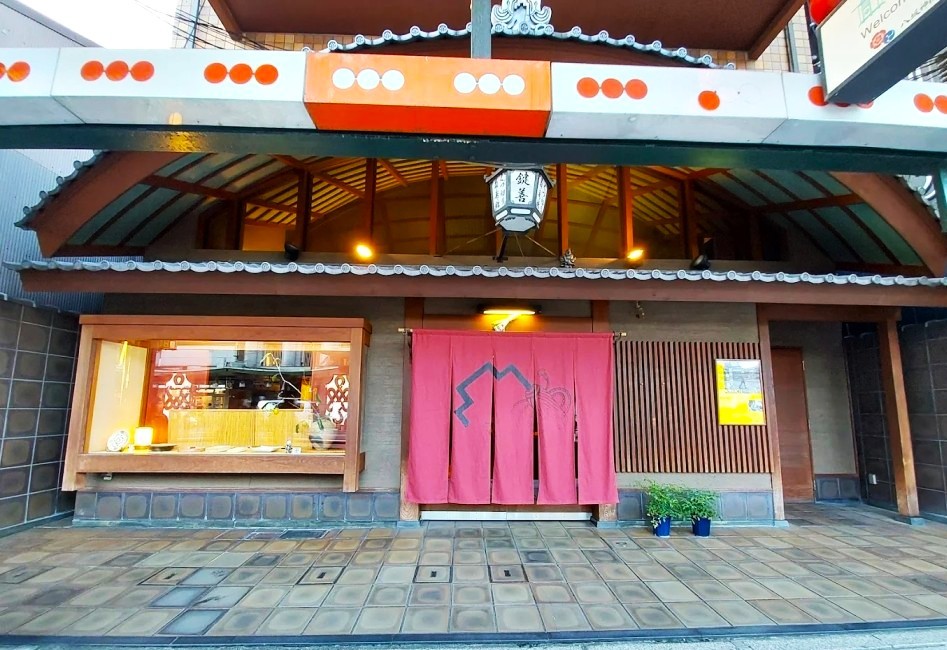
The retail space at the front sells seasonal confectionaries, each one molded into a tiny edible sculpture. The cabinetry in the shop was made by Tatsuaki Kuroda, who held the title of Living National Treasure.
Just like at Ippodo, the tearoom is found at the back of the store. Overlooking a small garden, this for me was the perfect place for relaxing after exploring the city. Best of all, you can watch the staff whisk and prepare your matcha.
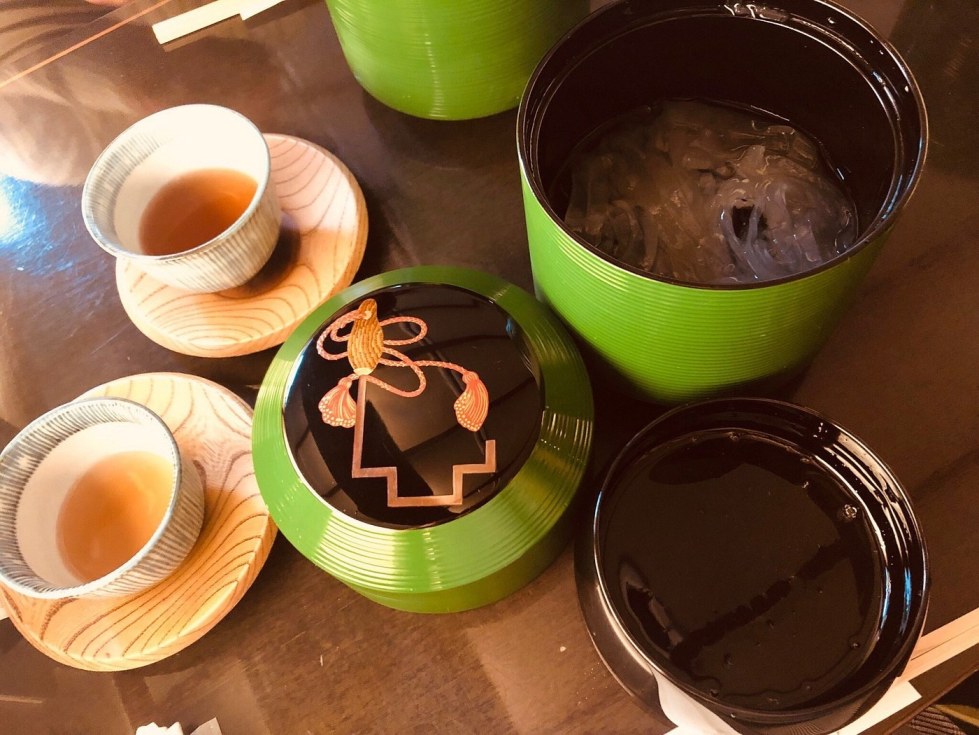
I know we’re talking about matcha, but since you’re there, I totally recommend trying the kuzukiri too. Presented in a lacquer box, this dessert is made of chewy arrowroot noodles served alongside a thick brown sugar syrup.
They recently opened an art museum called ZENBI nearby. Worth a look if you’re in the area.
4. Saryo Tsujiri (Gion Honten): The Matcha Parfait Everyone Queues For
Here’s the big practical reason Saryo Tsujiri makes this list of best matcha in Kyoto. It’s one of the rare matcha spots that stays open until 9:00 pm. Almost every other matcha spot in Kyoto closes by five or six.
Tsujiri’s flagship cafe sits right in Gion’s old geisha district. Personally, I’m a huge fan of their Tokusen Tsujiri Parfait. They also serve ice cream made from the highest-quality, ceremonial-grade matcha, matcha jelly, and shiratama rice balls. With the same texture as mochi, these bite-sized rice balls are served in matcha soup. Sounds odd, I know. Don’t diss it until you’ve tried it though!
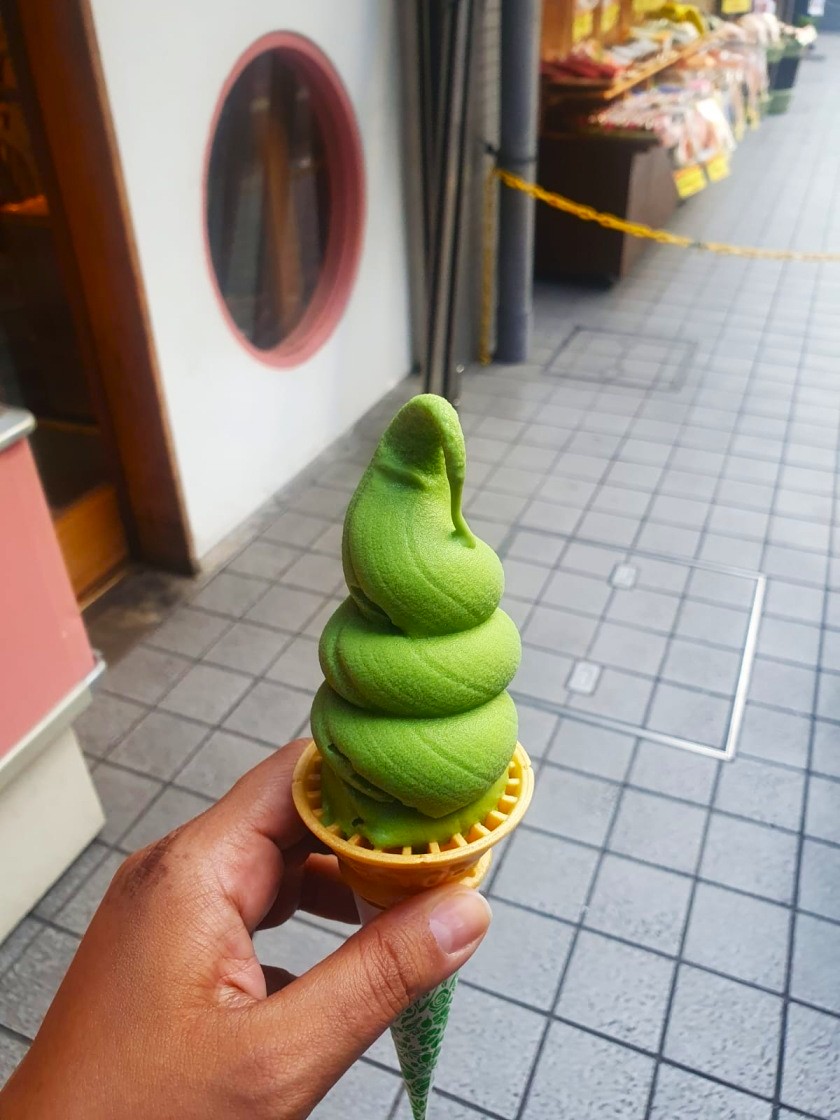
I know we’re talking about matcha here, but for something different, you can also try their Hojicha parfait. It’s made from roasted tea instead of matcha, but it’s got a caramel-like warmth that I liked more than the matcha one.
Insider tip: The ground-floor shop sells takeaway matcha soft-serve and packaged teas. Good option when the evening queue is longer than expected.
5. Tsuen Tea: Japan’s Oldest Tea House
Here’s another one that’s found in Uji. While tourists don’t really know about it, Tsuen is so popular among the locals, it even appears in Eiji Yoshikawa’s epic novel Musashi. A tea house so culturally embedded it literally became a literary character.
The staff told us the original teahouse owner was a Samourai who became a monk after retirement. Apparently, he set up camp at the foot of Uji Bridge, serving tea to travelers who crossed. Located right by the Uji River, the current building is something of a museum in itself. Be sure to check out the antique tea jars, and wooden statues of the seventh Tsuen in a display case. There’s a riverside café section with matcha, soft-serve, and desserts.
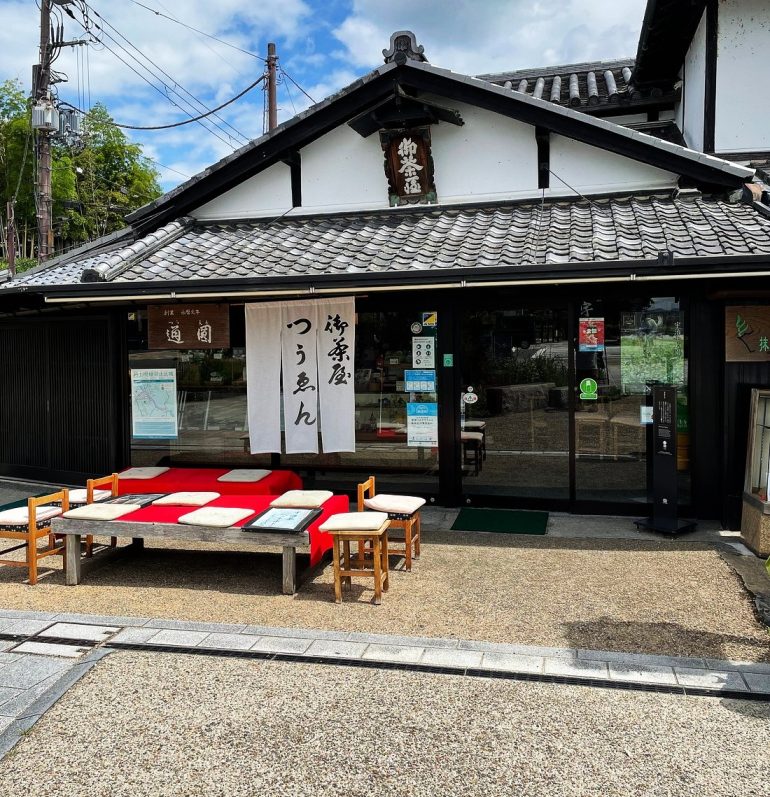
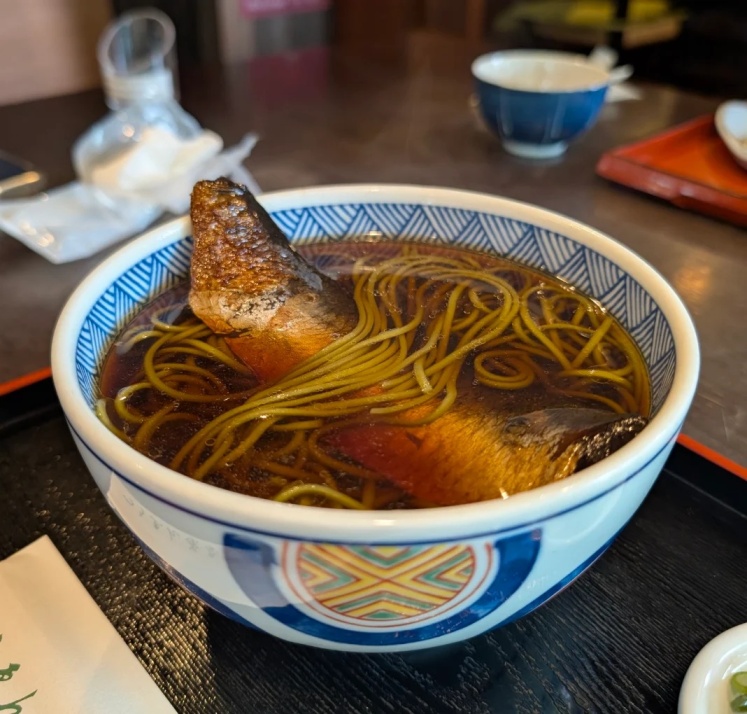
Their Matcha and Dango set has my vote, although my local friend was more partial to their Nishin Cha Soba. Surprisingly enough, this matcha-flavored dish was savory, not sweet. It’s basically buckwheat noodles infused with matcha tea and herring. You can choose to have it hot or cold.
6. Entoku-in Temple: Best Matcha in Kyoto In A Warlord’s Garden
Entoku-in is a sub-temple of Kodai-ji and while it’s not a teashop as such, it’s known for its whisked matcha bowl.
The temple’s got quite an interesting backstory to it: we were told this was where a warlord’s widow received feudal lords, monks, tea masters, poets, and painters for diplomatic visits.
After touring the temple, head over to the koma tea ceremony room in the North Hall (locally known as Kita-shoin) Their matcha comes in rakuchawans which are hand-molded earthenware cups. You’ll enjoy your drinks while gazing out at the North Garden, which, by the way, is designated a Special Place of Scenic Beauty.
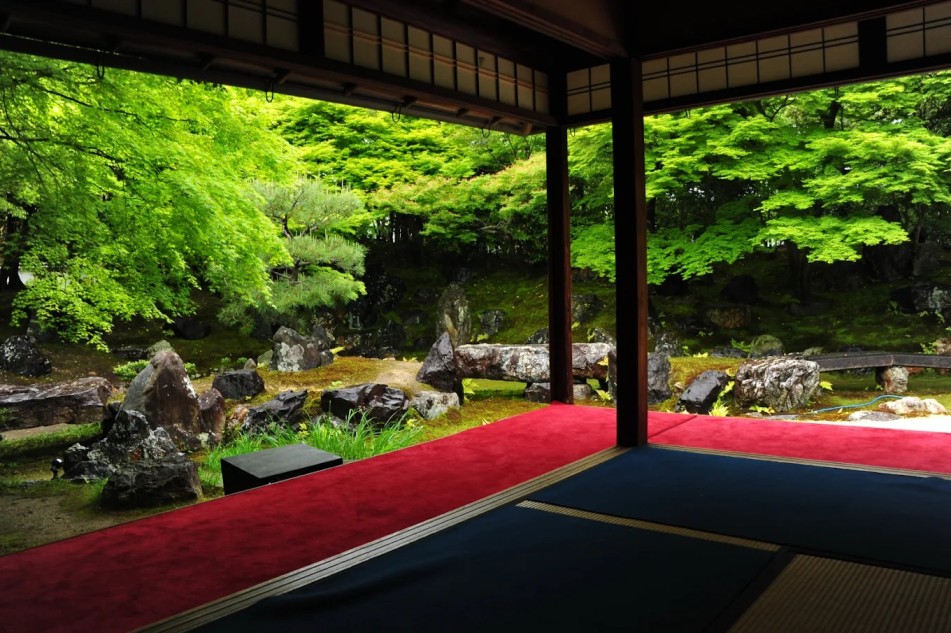
I should also mention their tea ceremony was devised by a samurai tea master. It’s meant to express the composure of a warrior. There’s a reverence to their ceremony that feels different from the commercial tea rooms.
Insider tip: You can always register for some Zen experiences before or after your tea ceremony. I signed up for a karesansui workshop where I got to make my own miniature dry landscape garden. It’s an easy pairing with a Kodai-ji tour since they’re literally next door.
That’s a wrap on my list of best matcha in Kyoto! If you’re in Kyoto for a few days, we’ve also got a guide to the best breakfasts in Kyoto for when you need something savory after all that green tea. Heading beyond Japan? Here’s where to find the best street food in Taiwan. And if you’re in need of some relaxation after all that traveling, be sure to check out our local guide to the best hot springs in Taiwan!
Share This Article


Traveling soon? Subscribe to The Insight below and get exclusive access to our personalized travel advice community via WhatsApp so you can ask all your burning travel questions.
Looking for the best comprehensive travel insurance? SafetyWing has you covered.
And for your eSIM in every country, there is only one option we recommend: Airalo.
Read more of our best insights from around the world
- Where to Find the Best Matcha In Kyoto, Japan: An Exclusive Guide
- Best Coffee In Kyoto: 9 Cafes You Must Try for Kissaten Legends
- 8 Rooftops In Singapore For Views, Drinks And Food
- Best Bars In Osaka: Speakeasies, Whisky Dens and Secret Spots
- 8 Best Cafes in Joo Chiat, Singapore for brunch, coffee or lunch
- Best Bakery in Singapore? 8 Must Try Spots for Sweet and Savory Treats