We may receive a commission if you make purchases through affiliate links (at no extra cost to you). Read why our approach to travel is different.

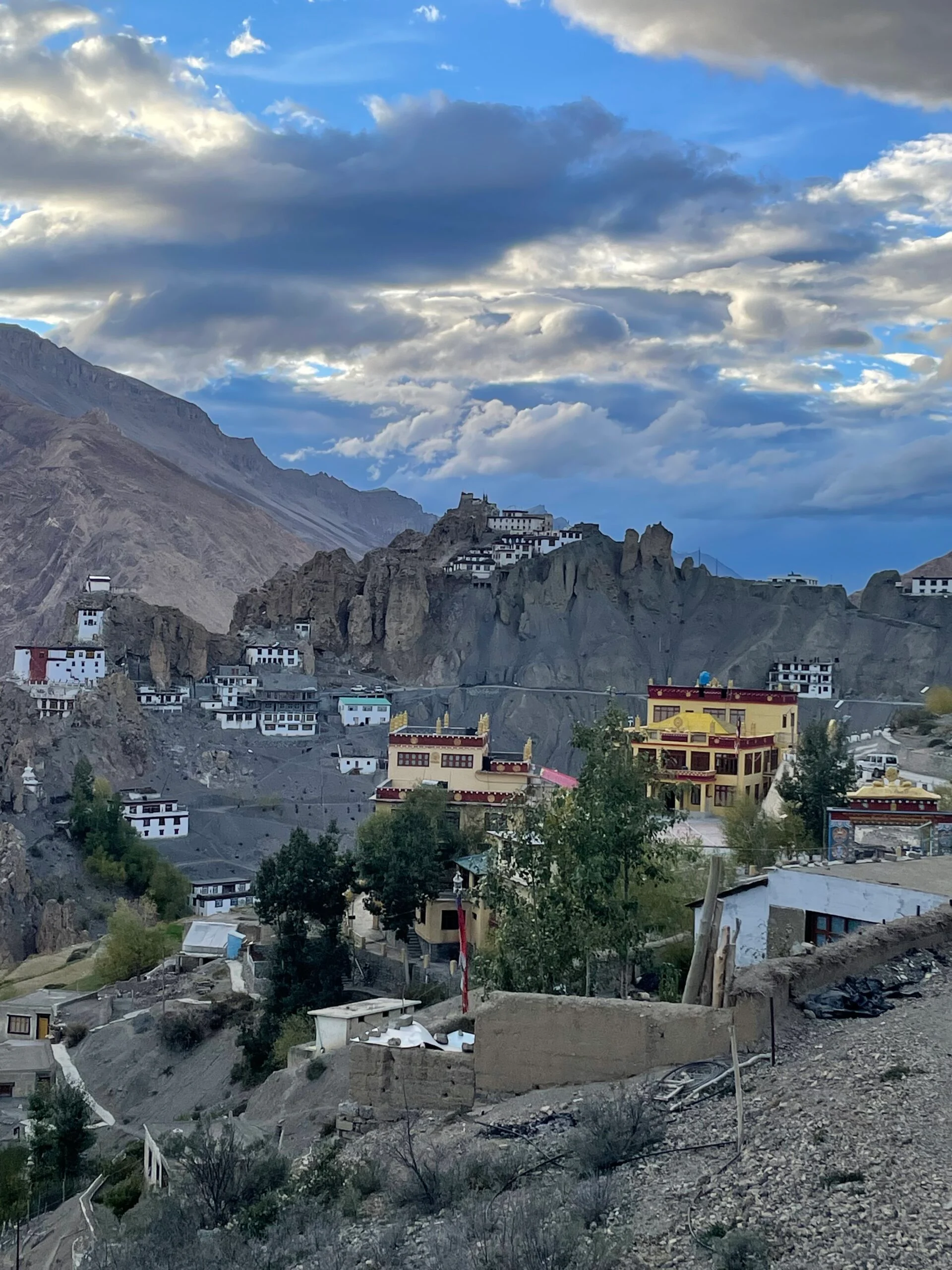
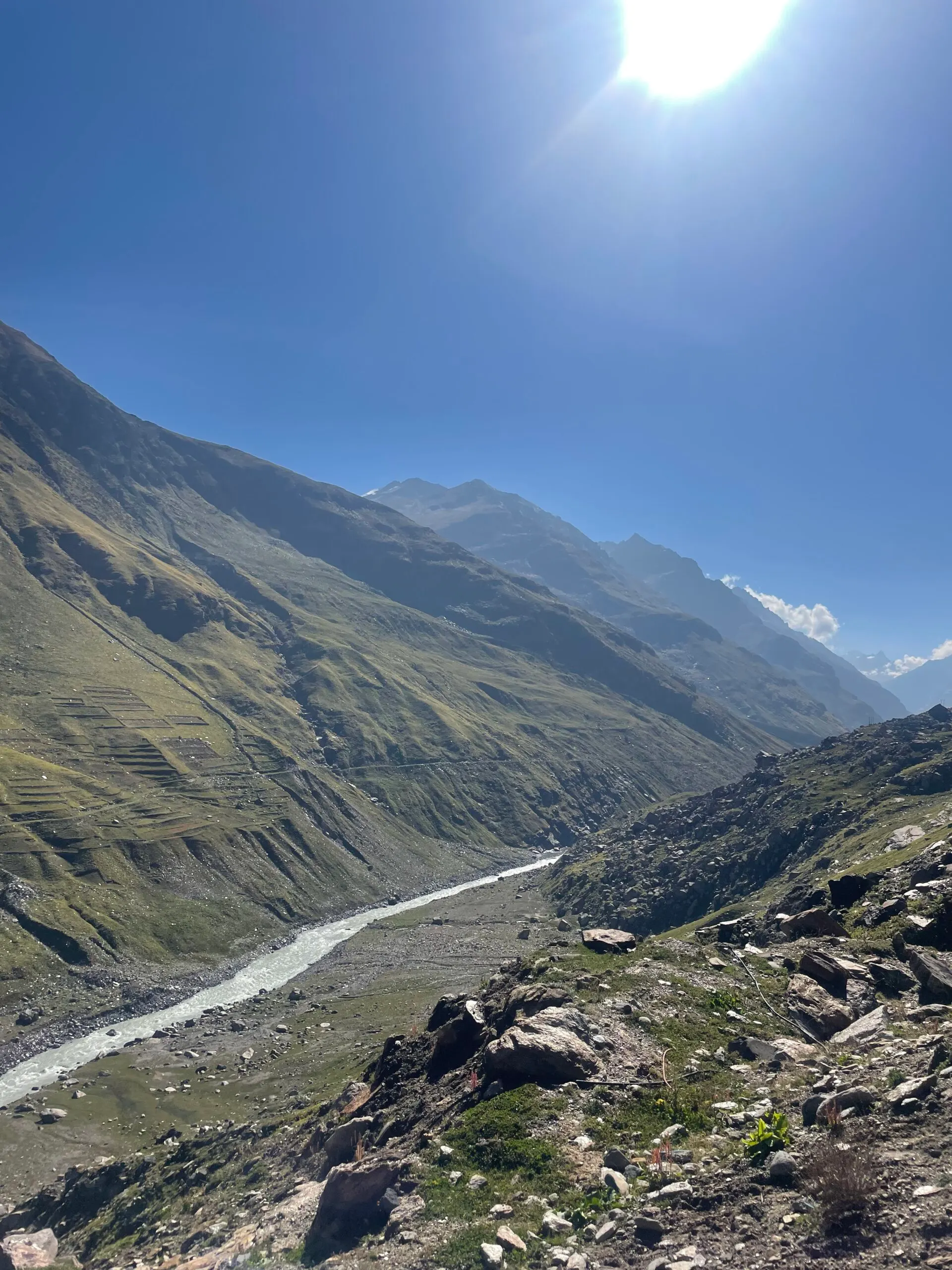
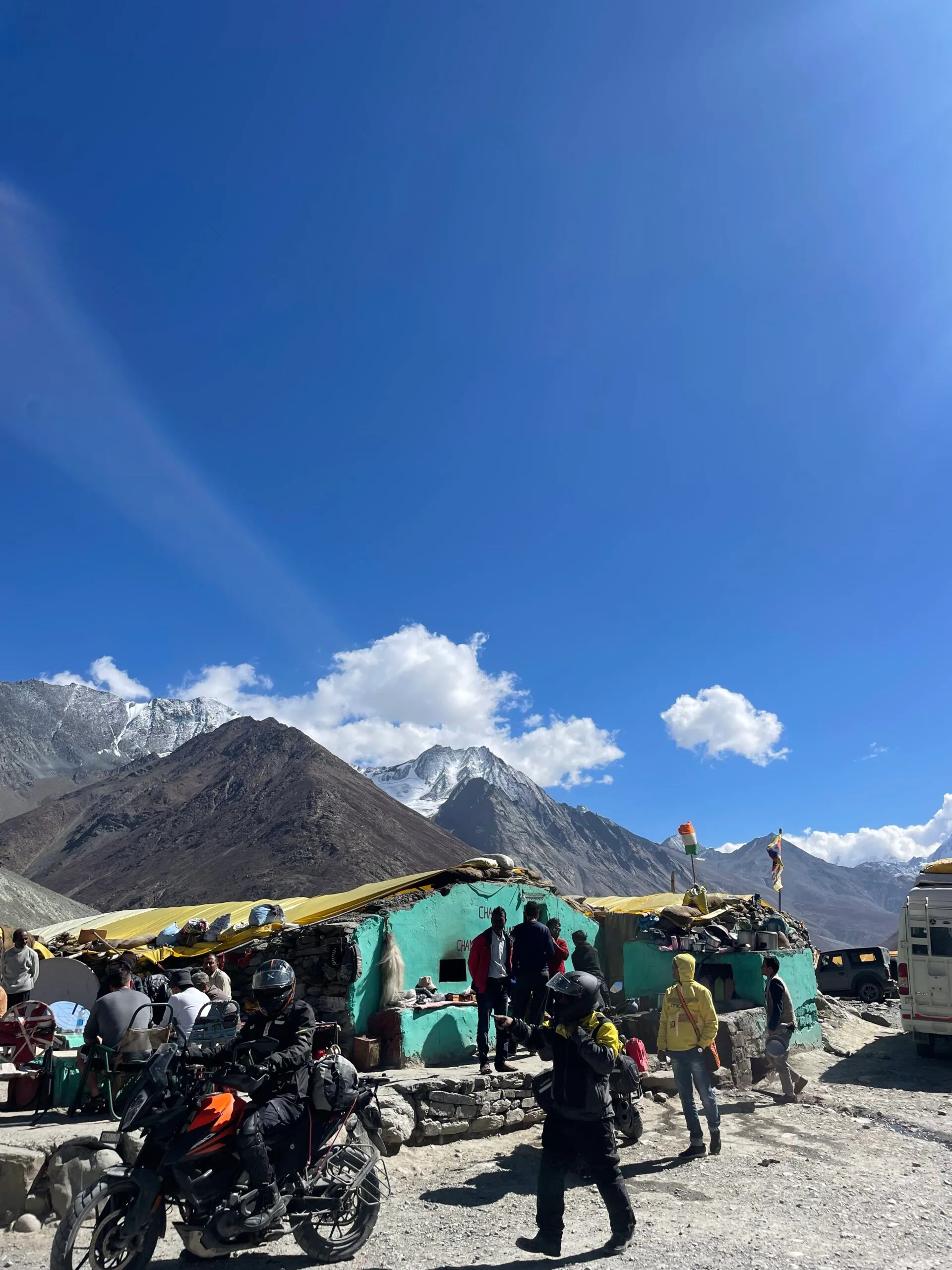
Spiti Valley is a truly astonishing place in north-eastern India. Located in the stunning state of Himachal Pradesh (a.k.a, my favourite state in India), Spiti Valley must be one of the most beautiful places my eyes have lai d on. It is an incredibly unique region, with lots of varied landscapes and breathtaking nature.
Spiti is one of the most adventurous places you can visit in India. The high-altitude desert of Spiti Valley, with surreal mountain landscapes, dates back hundreds of years. This ultimate Spiti Valley itinerary will leave you gobsmacked, and wanting more of northern India’s beauty.

(Source: Miffany Rose)

Skip to...
What is Spiti Valley
The name ‘Spiti’ means “The middle land”, i.e. the land between Tibet and India. This place holds strong spiritual significance for Tibetan Buddhists. Historically, the region was part of the Tibetan Empire, which left an enduring legacy of Tibetan language and culture. The term ‘India’s Little Tibet’ is often used to describe Spiti, due to these deep cultural ties and relationships.
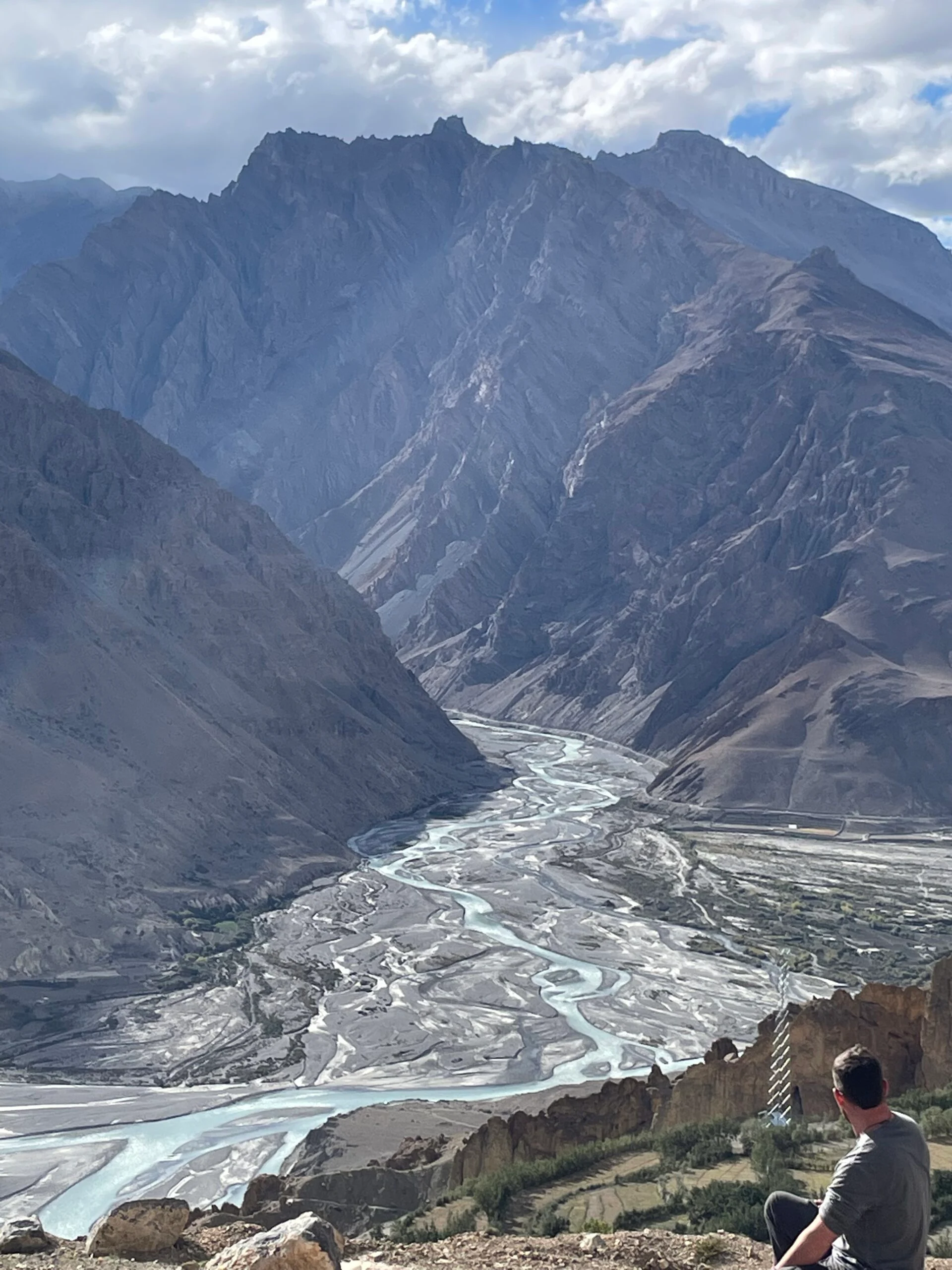
Spiti is a high-altitude desert mountain valley, and although not technically classified as a geographical oasis, some areas of Spiti experience periods of ‘green-ness’ and lushness. The beautiful cascading waterfalls and wildflowers also add to this green-oasis feeling.

(Credit: Miffany Rose)


When to visit Spiti Valley
The peak tourist season for Spiti is around summer, May to September. There are two access routes to Spiti (Shimla and Manali), both of which are accessible and safe during the dry summer period. The region turns to sub-zero temperatures by November, and it can be dangerous to visit the region during winter due to heavy snowfall and the closure of high passes, such as the Kunzum Pass.
Personally, I visited Spiti in mid-September, and whilst it was icy cold, the fresh, crisp, sunny days were well worth it. The roads were generally safe, and I was with a trusted guide. However, I would encourage caution and discretion when driving up to Spiti, depending on the time of year and weather.
How to get to Spiti Valley
Spiti is located in the north-eastern part of the state of Himachal Pradesh. I arrived to Spiti through the Manali-Rohtang Pass route, as I was already in Manali (a beautiful resort and backpacking town). This route is faster, but has high mountain passes that are only open for a limited time each year. The alternative route, through Shimla, is open from late May or June and is generally considered better for acclimatization.
I highly recommend doing the Spiti Valley journey with a private tour guide/driver. This ensures a safe and personalised journey. I did the tour with 4 friends, and it cost us each 5000INR/$57US for 3 days. In my opinion, it was super affordable. Our driver was professional and experienced, and organised all the logistics of the journey for us (including permits and safety).
Day 1: Drive from Manali to Kaza
We left early (like 6am early) from our hostel in Manali. Spirits were high and we were all so excited for the journey we were about to embark on! We drove from Manali to Kaza (a town and the subdivisional headquarters of the remote Spiti Valley).
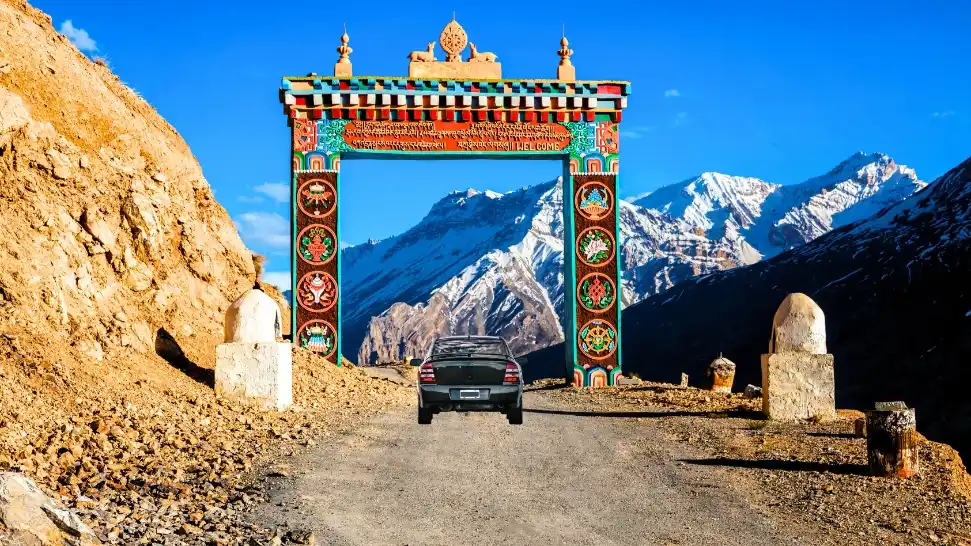
The drive took the whole day (about 10 hours), as we passed through the stunning 4551 meters high Kunzum Pass. It is important to note that we climbed quite a bit of elevation on the first day, so you may like to carry some altitude sickness pills with you just in case.
The drive up to Kaza was extraodinarily beautiful, with many places and temples to stop at and admire along the way. Once in Kaza, we stayed in a guesthouse for the night and got in some much needed rest.

Day 2: Key Monastery
The following morning, we had breakfast and coffee at the cutest cafe called (‘The Himalayan Cafe‘). They also serve garlic soup, which is a traditional remedy for altitude sickness by improving blood flow and oxygenation. And, it’s actually pretty yum! The cafe was so cosy and provided a super authentic experience for travellers in the Himalayan mountains.
We then made a short drive to the Key Monastery, the largest monastery of the Spiti Valley and a religious training centre for lamas (Tibetan Buddhist spiritual leader). This impressive structure sits at an altitude of over 4000 metres, and is incredibly impressive and culturally enriching. Key Monastery is home to approximately 200 monks who receive a secular and religious education up to the tenth grade before going on to more advanced Buddhist teachings.

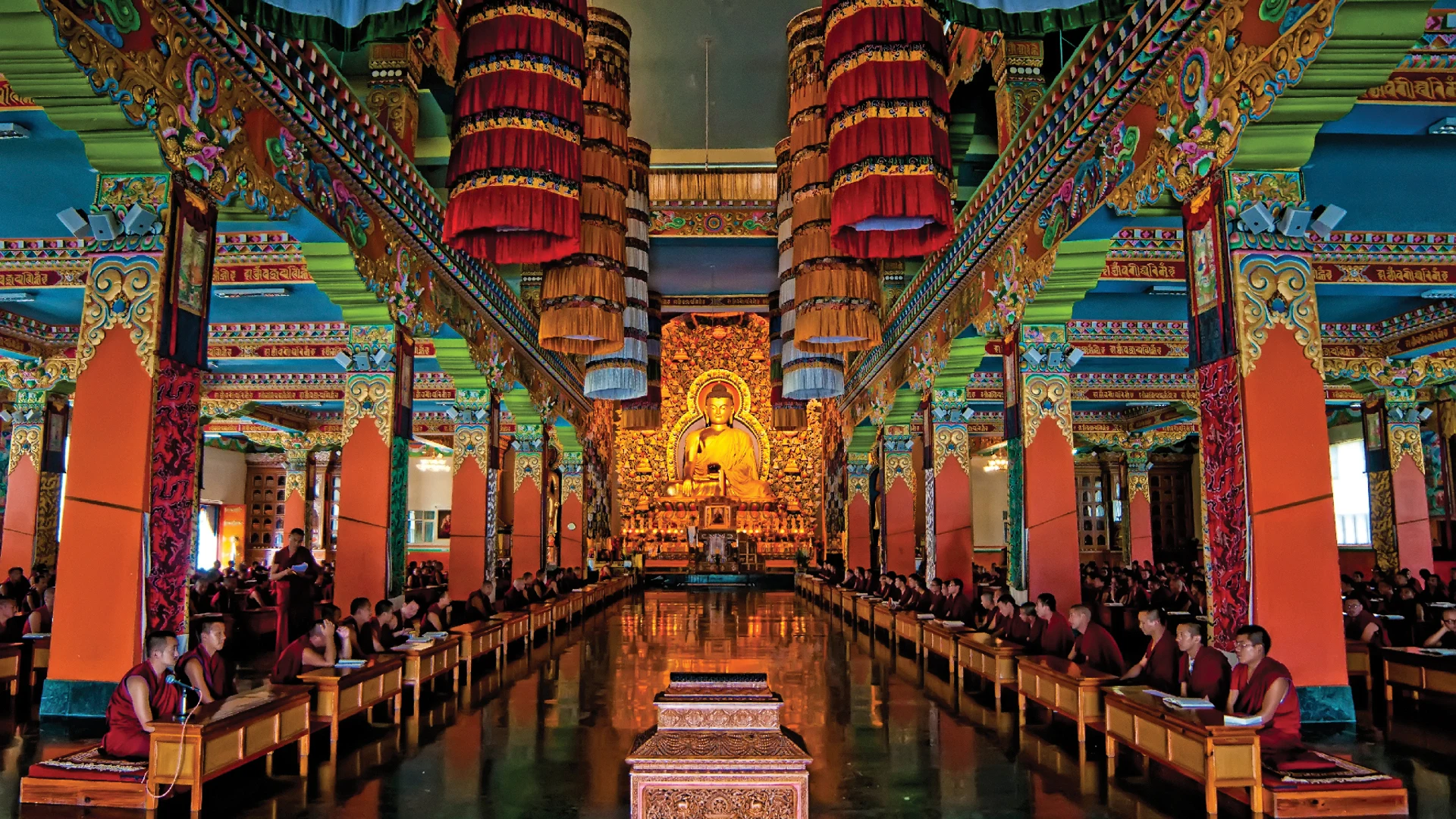
(Source: Spiti Ecosphere)
I particularly enjoyed the meditation rooms, and the opportunity to drink tea with a monk. The monastery is massive, and there is so much to explore there, including beautiful and ancient artwork. It was definitely a unique experience and one of my favourites in northern India.
After a long and spiritually enriching day at the monastery, we enjoyed a traditional lunch at the monastery’s restaurant. My favourite dish from this region is Thukpa, which is a Tibetan noodle soup filled with warming spices and vegetables. Momos (a type of dumpling from Tibetan culture) are also a crowd-favourite in places like Spiti. Well, I definitely downed many plates of these warm mountain delights!
In the afternoon we drove to Chicham Bridge, the highest bridge in Asia, and! The bridge sits at a whopping altitude of 13596 ft, or 4144 metres high, and connects the villages of Chicham and Kibber. Below the bridge is a 1000 ft deep gorge. It is truly a spectacular engineering accomplishment!

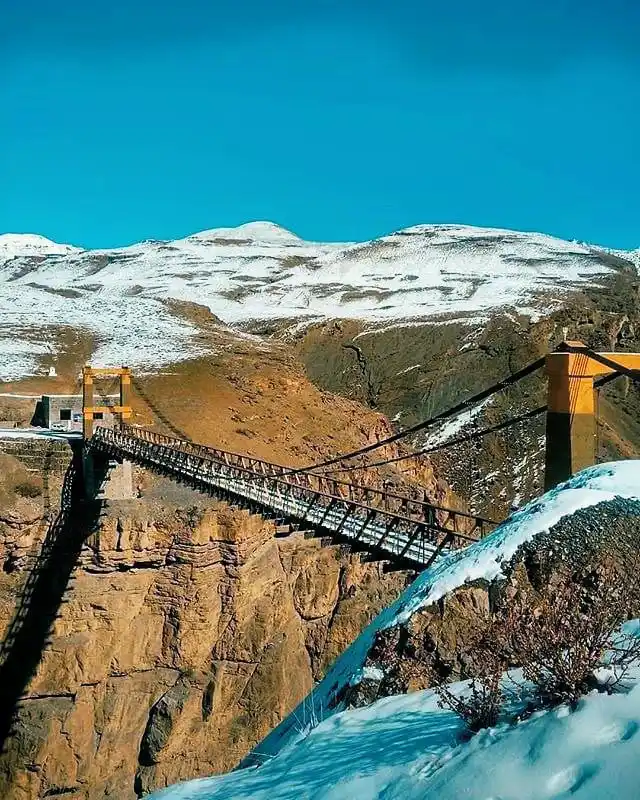
We spent the night at Tashi Gastel homestay in Kaza. I had the most incredible view from my room, and I paid only 500 INR / US$5.70. After a long day of exploring and diving, we loved the restaurant on-site that served delicious, warming and nourishing food.
Day 3: Chandratal Lake

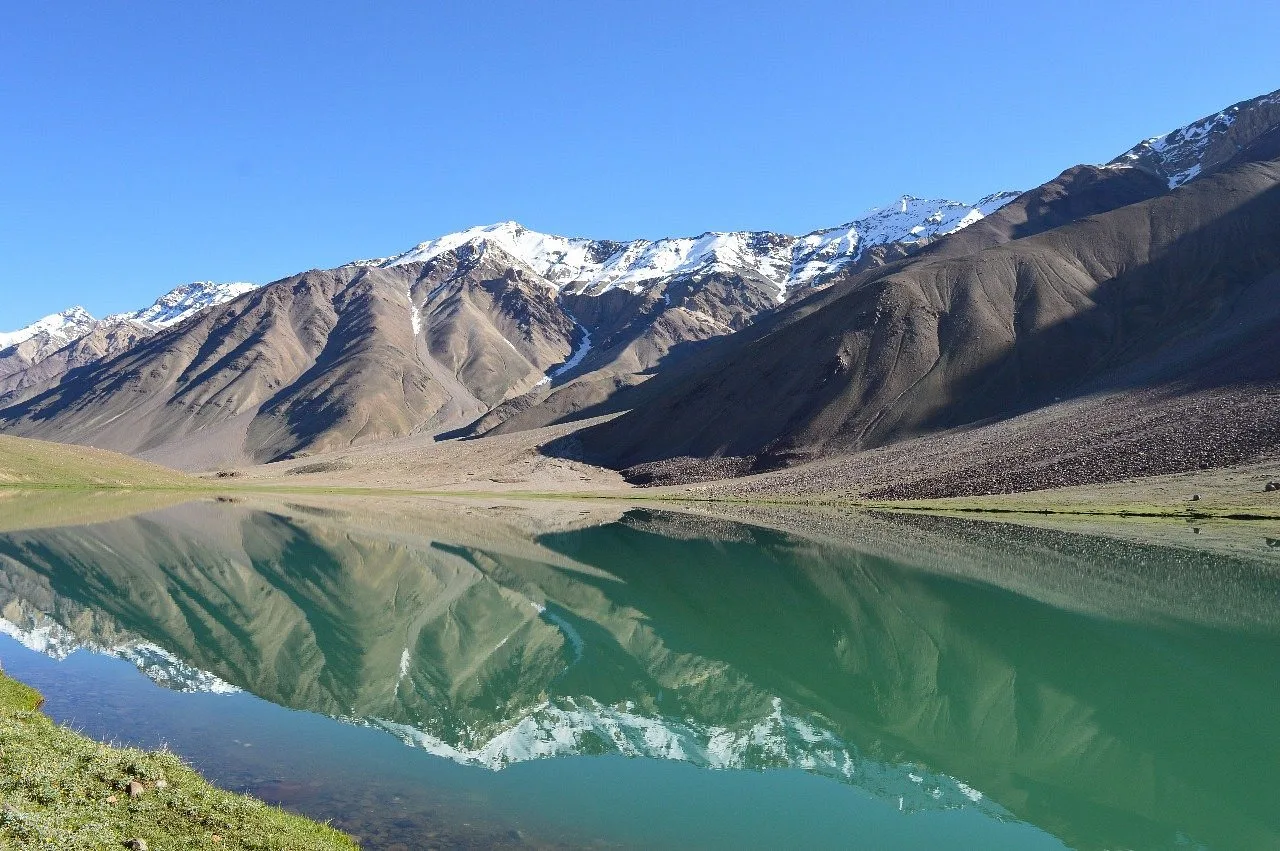
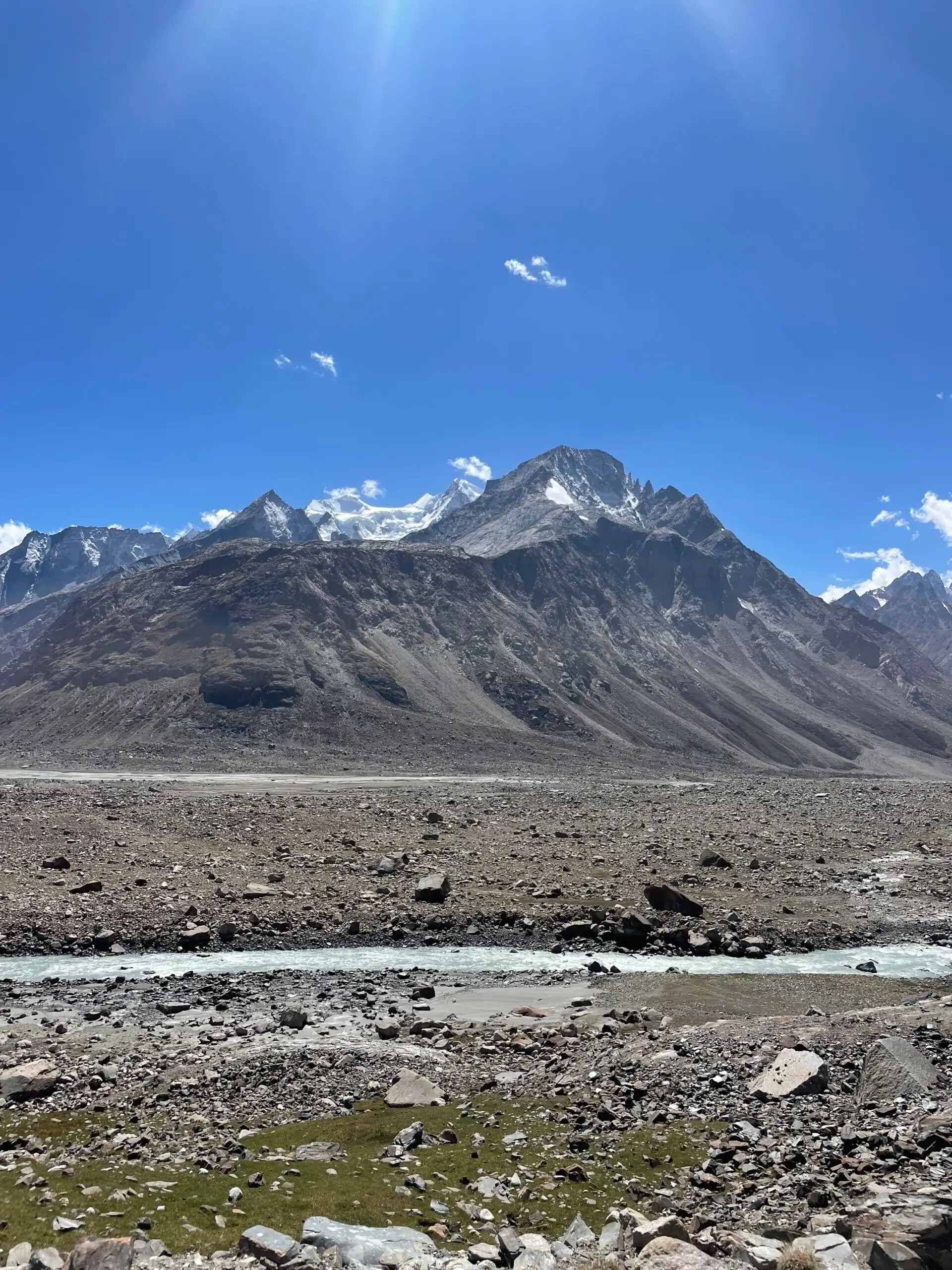
The journey from Kaza to Chandratal Lake was, let’s just say, WOW! The drive is remote, rough and a total adventure. Our lovely driver got us there safely, and we continued the distance from the car-park to the lake on foot. We walked around 1.5 km to the lake, and the view was just breathtaking. Quite literally breathtaking too, as the altitude was 4,300 metres. However, by day 3 of our Spiti journey, we had acclimated to the climate, so we felt pretty okay!
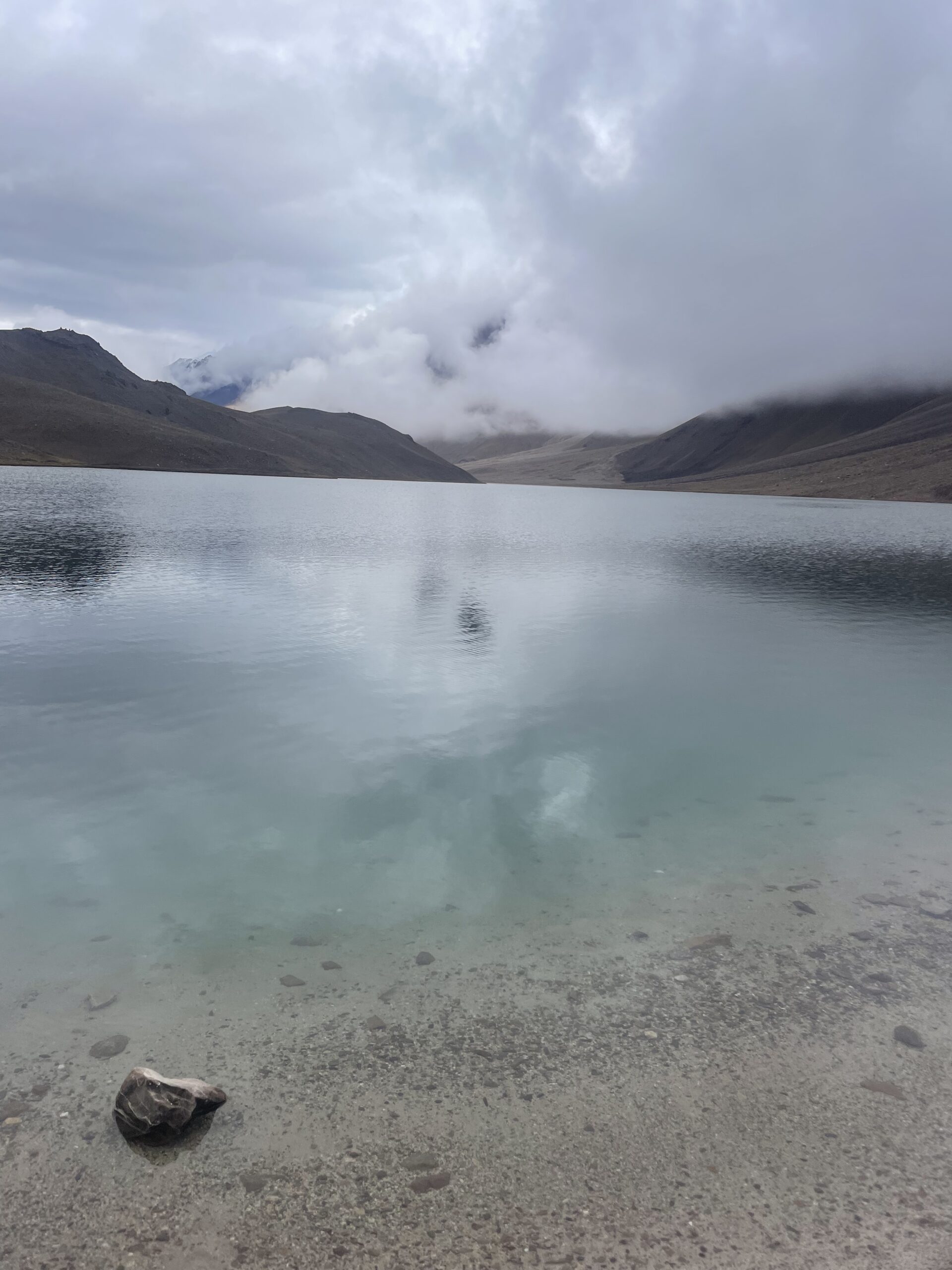
We spent a good hour at the lake, walking around, taking photos (even though it was somewhat of a futile endeavour to try capture the beauty of the place!). We dipped our fingers and toes into the lake, but the water was near-freezing, and definitely not recommended for full-body bathing.
I didn’t get the chance to do the full Chandratal Lake Loop (around 3-4 km), which is a whole loop around the lake. But, I totally recommend that you do to absorb the full beauty and vastness of this place. Plus, arriving early would mean that you get to take full advantage of the morning light over the mountains. Make sure to pace yourself and stay hydrated, as the altitude will tire you even on short walks.
We rounded off our Spiti Valley tour with a long drive back to Manali. On the way back, there are many beautiful places to stop, to soak in the last glimpses of the beauty of this place, and to fuel up on a warming mountain meal before returning to ‘civilisation’!
Spiti Valley is truly one of those places that left a lasting impression on me. From the winding roads to the spiritual calm, and finally the breathtaking expanse of Chandratal Lake, every moment in Spiti is extraordinary. The combination of dramatic landscapes, unique culture, and high-altitude adventure makes it unlike anywhere else in India – Spiti Valley really delivers it all, and is not to be missed!
Share This Article


Traveling soon? Subscribe to The Insight below and get exclusive access to our personalized travel advice community via WhatsApp so you can ask all your burning travel questions.
Looking for the best comprehensive travel insurance? SafetyWing has you covered.
And for your eSIM in every country, there is only one option we recommend: Airalo.
Read more of our best insights from around the world
- The Ultimate Spiti Valley Itinerary
- 8 Unusual Things To Do Venice You Never Thought Possible
- 7 Best Restaurants In Clarke Quay, Singapore For Day & Night
- 9 Best Museums In Singapore: Art, Culture, History & Unique Options
- 10 Bosnian Desserts You Won’t Want To Miss


- 7 Restaurants In Sigiriya For Local Sri Lankan Food & More